 Seminole Siding
 Siding Built for Largo's Climate, Not Just Its Curb Appeal
Largo sits inland enough from open Gulf water to feel a little sheltered, but don't let that fool you. This part of Pinellas County still takes a beating from the same forces that hit every coastal community in the Tampa Bay area: long stretches of intense UV exposure, sudden wind-driven downpours in the summer months, and salt-laden air that drifts in from both the Gulf and Tampa Bay and settles on every exterior surface, whether you're a mile from the water or ten. Add in the real possibility of hurricane-force winds during storm season, and you have a climate that is genuinely hard on exterior building materials.
Homes in Largo run the gamut from older concrete block ranch houses to newer construction, and a lot of them are still wearing original siding that was never designed for this environment. We see the same patterns over and over: paint that's chalking and fading years ahead of schedule, panels that have gone soft or delaminated from years of moisture cycling, and trim that's rotted out at the corners and around window returns. None of that is a mystery once you understand what Florida weather actually does to a house over a decade or two.
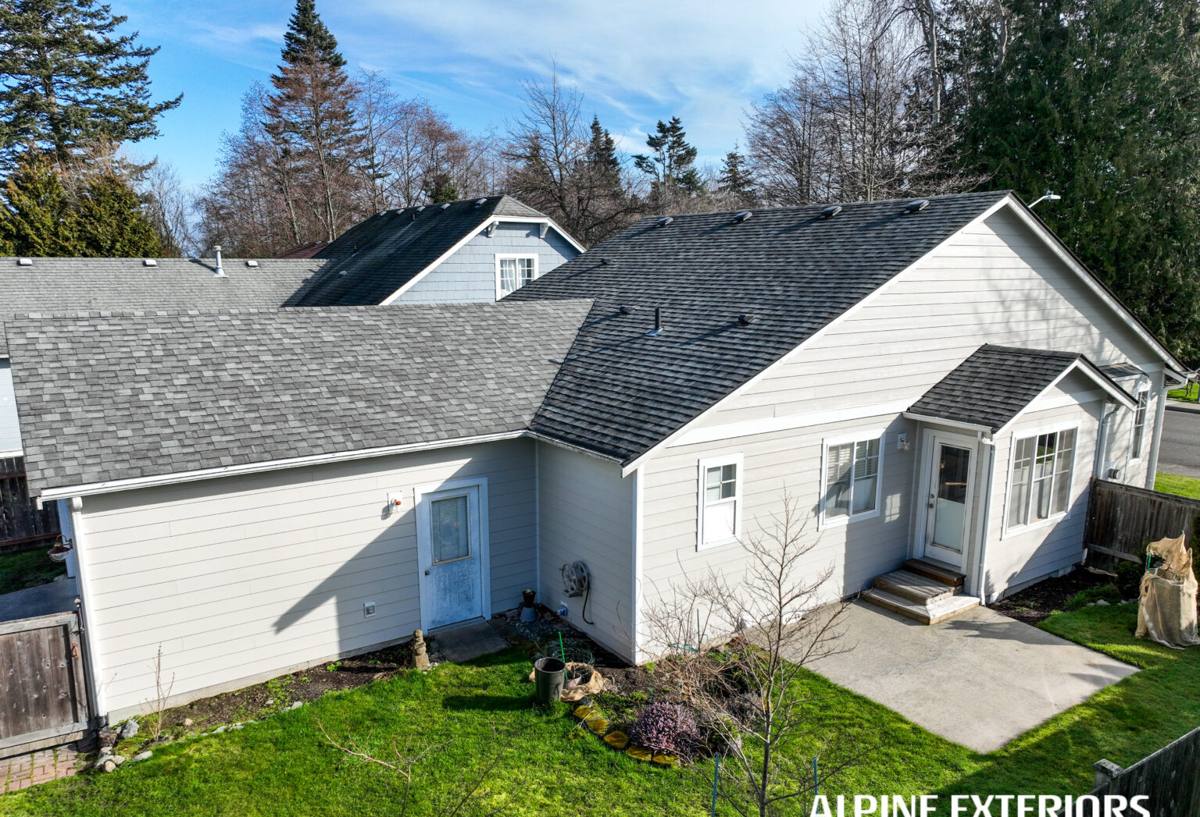
What Homes in This Area Are Really Up Against
UV and Heat
Florida's sun exposure is some of the most aggressive in the country, and it doesn't let up seasonally the way it does farther north. Siding here bakes under direct sun for most of the year, which accelerates fading, breaks down lower-quality paint finishes, and can cause certain materials to warp or bow as they expand and contract day after day.
Wind-Driven Rain
It's not just how much rain falls — it's how it arrives. Wind-driven rain during Florida's frequent thunderstorms and tropical systems doesn't fall straight down; it gets pushed sideways into wall assemblies, seams, and butt joints. Siding and trim that aren't properly detailed for that kind of water intrusion end up trapping moisture behind the surface, which is where rot and hidden damage start.
Salt Air
Even homes that aren't right on the water still sit within reach of salt-laden air moving inland off the Gulf and Tampa Bay. Salt accelerates corrosion of fasteners and metal components and works its way into porous or poorly sealed materials over time, which is part of why some products that perform fine in drier inland climates don't hold up nearly as well here.
Storm Winds
Largo isn't immune to tropical storm and hurricane-force wind events. Siding systems need real wind ratings and correct fastening — not just a good look — to stay attached and keep water out during a storm.
Why We Only Install James Hardie Fiber Cement
We get asked fairly often why we don't offer vinyl, LP SmartSide, or other engineered wood siding products, since they're common around the Tampa Bay area and often cost less upfront. The honest answer is that we made a standard for our own crews based on what actually holds up here, and after years of installing and repairing siding on Florida homes, fiber cement is what we stand behind.
Vinyl siding is inexpensive and easy to install, and for a lot of climates it's a reasonable choice. In Florida's sun, though, standard vinyl tends to fade, chalk, and can soften or warp under sustained heat, and it has real limits in high-wind ratings compared to fiber cement. Engineered wood products like LP SmartSide use wood strand technology treated to resist moisture, which works well in many parts of the country — but wood-based products are inherently more sensitive to the kind of sustained humidity and wind-driven moisture intrusion that's a fact of life in coastal Florida. If a seam or cut edge isn't sealed and maintained exactly right, moisture can find its way in, and once a wood-based product starts to swell or deteriorate, repair usually means replacement, not a patch.
James Hardie fiber cement siding is made primarily from cement, sand, and cellulose fibers. It doesn't burn, it doesn't feed termites, and it isn't sensitive to moisture the way wood-based products are. Hardie's HZ5 product line is specifically engineered for hot, humid climates like ours, and the factory-applied ColorPlus finish is baked on under controlled conditions rather than field-painted, which means better fade and color retention through years of direct Florida sun. It also carries a strong transferable warranty, which matters to homeowners who may sell within the ownership window.
None of this means other products are junk — plenty of homes around the country are sided in vinyl or engineered wood and do fine in their climate. It means that for the specific combination of sun, salt, humidity, and wind that Largo and the rest of Pinellas County deal with, fiber cement is the material we're willing to put our name behind.
Siding Material Comparison for Coastal Florida Conditions
| Factor | Vinyl Siding | Engineered Wood (LP SmartSide) | James Hardie Fiber Cement |
|---|---|---|---|
| UV / fade resistance | Prone to chalking and fading | Moderate, paint-dependent | Factory ColorPlus finish, strong fade resistance |
| Moisture / rot risk | Low rot risk, but can warp | Vulnerable if seals fail | Not organic — won't rot |
| Fire resistance | Can melt/deform | Combustible | Non-combustible |
| Wind performance | Varies by gauge | Good when installed to spec | Engineered for high-wind ratings |
| Maintenance | Low, but limited lifespan in heat | Requires diligent caulk/paint upkeep | Repaint cycle much longer, minimal upkeep |
| Typical warranty | Prorated, material only | Limited, installation-sensitive | Strong transferable warranty |
Beyond Siding: Roofing, Windows, and Decks
Siding is only one piece of a home's defense against Florida weather, which is why we also handle roofing, windows, and decks. A roof in poor condition undermines even the best siding job by letting water into the wall assembly from above, and windows that aren't properly flashed and sealed are one of the most common sources of hidden water intrusion around openings. Decks take their own beating from sun and rain cycling and need materials and fasteners suited to the same climate. Looking at the whole exterior as one connected system — rather than patching one component at a time — is how you actually stop water problems instead of chasing them.
What a Largo Siding Project Typically Involves
Every home is different, but a properly done fiber cement siding replacement generally follows the same core steps:
- Removal of existing siding and inspection of the sheathing underneath for hidden moisture damage or rot
- Repair or replacement of any compromised sheathing before new material goes up
- Installation of a weather-resistant barrier and correct flashing details around windows, doors, and penetrations
- Installation of James Hardie panels, planks, or trim per manufacturer specifications, including proper fastener spacing and clearances
- Caulking and sealing at seams and terminations using compatible sealants
- Final inspection to confirm proper installation before the job is closed out
That sheathing inspection step matters more in Largo than it might in a drier climate — it's often where we find out how much hidden water damage existed under the old siding, and it directly affects both the scope and the cost of the project.
Why a Local Crew Matters Here
Installation quality is what determines whether siding performs the way it's rated to. Fiber cement that's improperly fastened, has the wrong clearance from grade or roofline, or is missing correct flashing can still fail in this climate regardless of how good the material is. A crew that works on Pinellas County homes regularly understands the specific water-intrusion points that show up again and again in this area — around window returns, at butt joints exposed to wind-driven rain, and at ground-level clearances where Florida's humidity and occasional standing water are a factor. That familiarity is part of what a local company brings that isn't easy to get from an out-of-area crew passing through on a larger regional contract.
Cost Factors for a Largo Siding Project
| Factor | How It Affects Scope or Cost |
|---|---|
| Home size and stories | More square footage and multi-story access increase labor and material needs |
| Sheathing condition | Hidden rot found during tear-off adds repair scope before new siding goes up |
| Product line and profile | HZ5 boards, plank width, and trim details vary in material cost |
| Color and finish | Factory ColorPlus finishes vs. field-painted options affect pricing and longevity |
| Trim and architectural detail | Corner boards, window trim, and accent details add labor time |
| Tear-off and disposal | Removing and hauling old siding is part of most full replacement quotes |
Signs It's Time to Have Your Siding Looked At
- Paint that's chalking, fading unevenly, or peeling well ahead of its expected life
- Soft spots, bubbling, or visible warping in panels or trim
- Cracks or gaps at seams, corners, or around window and door trim
- Increased pest activity around wall penetrations, which can signal hidden rot
- Rising energy bills that may point to compromised insulation behind failing siding
- Visible water staining on interior walls near exterior corners
If you're noticing any of these on a Largo home, it's worth having someone take a real look rather than waiting for a small problem to become a bigger one, especially heading into storm season.
If you're weighing siding, roofing, window, or deck work on a home in Largo, we're happy to take a look and walk you through what we see, with no pressure and no obligation. Reach out below for a free estimate.