 Seminole Siding
 One Product, One Reason: It Has to Survive Seminole
Homeowners sometimes ask why we don't offer a menu of siding brands the way some contractors do. The honest answer is that we used to install more than one product, and the callbacks taught us something: Seminole's climate is not a mild, generic climate. Between hurricane-force wind events, wind-driven rain that gets pushed sideways into wall assemblies, salt air rolling in off the Gulf, and sun exposure that runs nearly year-round, this is one of the harder environments in the country to keep exterior siding looking and performing well for the long haul. Rather than install several products and watch some of them struggle here, we standardized on James Hardie fiber cement and stopped installing anything else.
This page explains what that decision is actually based on — not brand loyalty, but material behavior under the specific stresses Pinellas County throws at a house.
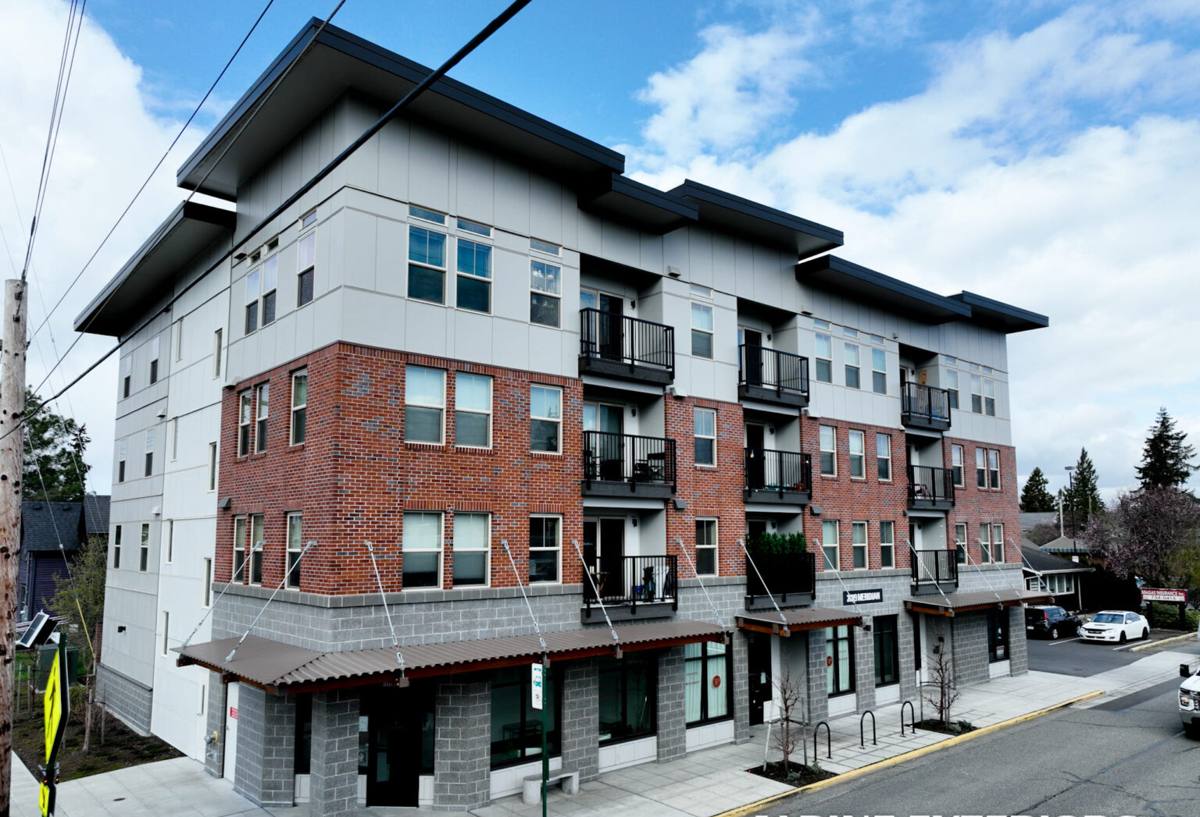
What Seminole's Climate Actually Does to Siding
Wind and Wind-Driven Rain
Seminole sits close enough to the Gulf that every named storm season brings a real chance of high sustained wind and gusts strong enough to test fastener holding power and panel edges. It's not just the wind itself — it's what the wind pushes with it. Wind-driven rain doesn't fall straight down; it drives horizontally into lap joints, corner trim, and butt seams. Siding that isn't dimensionally stable, or that swells and shifts with moisture, opens up gaps at exactly those seams over time.
UV and Heat
Pinellas County gets intense, near-constant UV exposure. Painted or coated surfaces that aren't engineered for it chalk, fade, and break down faster than the same product would in a northern climate. A finish rated for "average" UV exposure ages differently — and usually worse — under Florida sun than it does in a lab test done somewhere milder.
Salt Air
Even well inland from the immediate coastline, Seminole homes sit within the salt air belt. Airborne salt accelerates corrosion of exposed metal fasteners and trim, and it interacts with certain coatings and substrates in ways that shorten their service life. A siding system's resistance to this isn't optional here — it's a baseline requirement.
Humidity and Moisture Cycling
High humidity plus regular heavy rain means siding here spends a lot of its life wet or near-saturated air, then dries out, then gets wet again. Materials that absorb moisture and expand, then dry and contract, go through that cycle constantly. Over years, that cycling is what drives warping, cupping, and finish failure in moisture-sensitive products.
What James Hardie Fiber Cement Is
James Hardie siding is fiber cement: a mix of cement, sand, and cellulose fiber, cured and formed into planks, panels, and trim. It is not a wood product and it is not a plastic (vinyl) product — it's a mineral-based composite, and that composition is the reason it behaves differently than the alternatives in a climate like this one.
- Non-combustible — fiber cement doesn't contribute fuel to a fire the way wood-based or vinyl products can.
- Dimensionally stable — it doesn't swell, warp, or cup with humidity changes the way wood-based siding can.
- Factory-applied finish — ColorPlus Technology bakes color onto the board in a controlled factory environment, rather than relying on field-applied paint to hold up against UV and salt air.
- Engineered for regional climate — Hardie makes distinct product formulations for different climate zones, including a version specifically built for high-humidity, high-moisture regions.
HZ5 and Climate-Engineered Product Lines
James Hardie doesn't sell one universal formulation everywhere. The company engineers its fiber cement differently depending on regional climate demands, and Florida falls into the HZ5 zone — the formulation built for high humidity and heavy, sustained moisture exposure. That matters because a siding product engineered for a dry climate and installed here anyway is starting the job at a disadvantage before a single nail goes in. We install HZ5-engineered Hardie product specifically because it matches what Seminole actually does to a house over a hurricane season, not what a generic spec sheet assumes.
ColorPlus Factory Finish
Field-applied paint is only as good as the day it's applied, and in this climate it's fighting UV degradation and salt exposure from day one. ColorPlus finish is baked on in multiple coats under factory-controlled conditions before the boards ever reach a job site, which gives the color and finish a head start that on-site painting can't match — and it's backed by its own finish warranty separate from the substrate warranty.
Why We Stopped Installing the Alternatives
We're not going to make unverified claims about how any specific competing product fails. What we will say plainly is why our own installation standards moved away from the alternatives, based on real trade-offs:
| Product Category | Trade-off We Ran Into in This Climate |
|---|---|
| Vinyl siding | Can deform under intense, sustained heat and UV; seams and panels are more vulnerable in high sustained wind events; color is molded-in and can fade unevenly over years of Florida sun. |
| Engineered wood (LP SmartSide and similar) | Wood-based core is more sensitive to sustained moisture exposure than fiber cement; performance depends heavily on flawless installation, caulking, and maintenance discipline over the life of the product. |
| Primed spruce / cedar | Natural wood requires the most ongoing maintenance — repainting, sealing, moisture monitoring — of any siding category, and Gulf Coast humidity and rain shorten the interval between maintenance cycles. |
| Other fiber cement brands (Cemplank, Allura, etc.) | May be technically similar in composition, but we standardized our crews, fasteners, flashing details, and warranty process around one manufacturer's engineering and installation requirements rather than switching specs job to job. |
In every case above, the product can be a reasonable choice for the right home in the right climate with the right maintenance commitment. Our decision isn't that those products are worthless — it's that after installing and servicing multiple brands, we concluded that fiber cement engineered for this specific climate zone gives homeowners the best combination of durability, low maintenance, and warranty protection for a Seminole property, and that installing one system well beats installing several systems adequately.
Installation Is Where Siding Actually Fails or Succeeds
Fiber cement's durability depends heavily on correct installation. This is true of every siding product, but it matters more here because storm exposure punishes shortcuts. Correct James Hardie installation in a wind and moisture zone like Seminole involves:
- Proper clearance between siding and grade, roofline, and other transitions to prevent standing water and wicking
- Correct fastener type, spacing, and penetration depth — under-fastening is a common cause of panel failure in high wind
- Manufacturer-specified house wrap and flashing details at every window, door, and penetration
- Proper joint and butt-seam treatment to keep wind-driven rain from tracking behind the siding plane
- Field-cut edge sealing where boards are trimmed on site, since factory edges are treated but cut edges are not
A correctly installed product performs the way it's engineered to. An incorrectly installed product — even a good one — can underperform regardless of brand. That's a large part of why we keep our crews trained and certified on one system rather than splitting attention across several.
Warranty Structure
James Hardie backs its fiber cement siding with a limited transferable warranty on the substrate, and ColorPlus-finished products carry a separate finish warranty covering the factory-applied color. Warranty terms and coverage details vary by product line, and manufacturer registration requirements apply — we walk homeowners through the specific coverage for their chosen product and colorway as part of any estimate, rather than quoting generic numbers here.
What to Expect From a Hardie Installation
Product Lines
James Hardie offers several plank profiles (including traditional lap and board-and-batten looks), panel systems, and trim products, available in a range of ColorPlus factory finishes as well as primed-for-paint options. The right line depends on the home's architecture, HOA requirements if applicable, and the homeowner's aesthetic preference.
Maintenance Reality
Fiber cement is lower-maintenance than wood, but "low-maintenance" doesn't mean "no-maintenance." A yearly rinse to clear salt residue and organic buildup, periodic caulk inspection at joints and trim, and prompt attention to any impact damage will keep a Hardie installation performing for decades in this climate.
Quick Homeowner Checklist
- Confirm the product line is HZ5-rated for high-humidity/high-moisture regions, not a general-climate formulation
- Ask whether the finish is factory-applied (ColorPlus) or will be field-painted
- Get the fastener schedule and clearance details in writing, not just verbally
- Ask how field-cut edges will be sealed
- Get the specific warranty documentation for the product and finish being installed, and confirm transferability if you plan to sell
Why This Matters for a Seminole Home Specifically
None of this is theoretical for a house in Pinellas County. Seminole homes face storm seasons that test wind resistance and water intrusion resistance every single year, salt air that never really stops working on exposed materials, and sun exposure that's higher than most of the country experiences. Siding here isn't just a cosmetic choice — it's a building envelope decision that affects how the house holds up to the next storm and how much maintenance it demands in between. We install James Hardie fiber cement because, after years in this trade, it's the system we're willing to put our own installation standards and warranty process behind for homes in this specific climate.
If you're planning a siding replacement or new install in Seminole and want to talk through what James Hardie would look like on your home — product line, color, and what correct installation involves for your specific property — we're happy to walk through it. Request a free, no-pressure estimate using the form below.