 Seminole Siding
 Siding and Exterior Work in Pinellas Park
Pinellas Park sits in the middle of Pinellas County, tucked between Seminole, St. Petersburg, and the rest of the barrier-island and mainland communities that make up this stretch of the Tampa Bay area. Homes here run the gamut from older concrete block houses built decades ago to newer construction, but they all share the same climate problem: this part of Florida is hard on exterior building materials, year-round, without a break.
We're based in the area and work Pinellas Park regularly alongside our home base in Seminole. That matters more than it sounds like it should. Exterior contractors who don't work a county consistently tend to under-spec materials, skip flashing details that matter in wind-driven rain, or simply not show up when a warranty question comes up two years later. A crew that's in Pinellas Park often knows what actually happens to siding, trim, and roofing here — not just what a spec sheet says should happen.
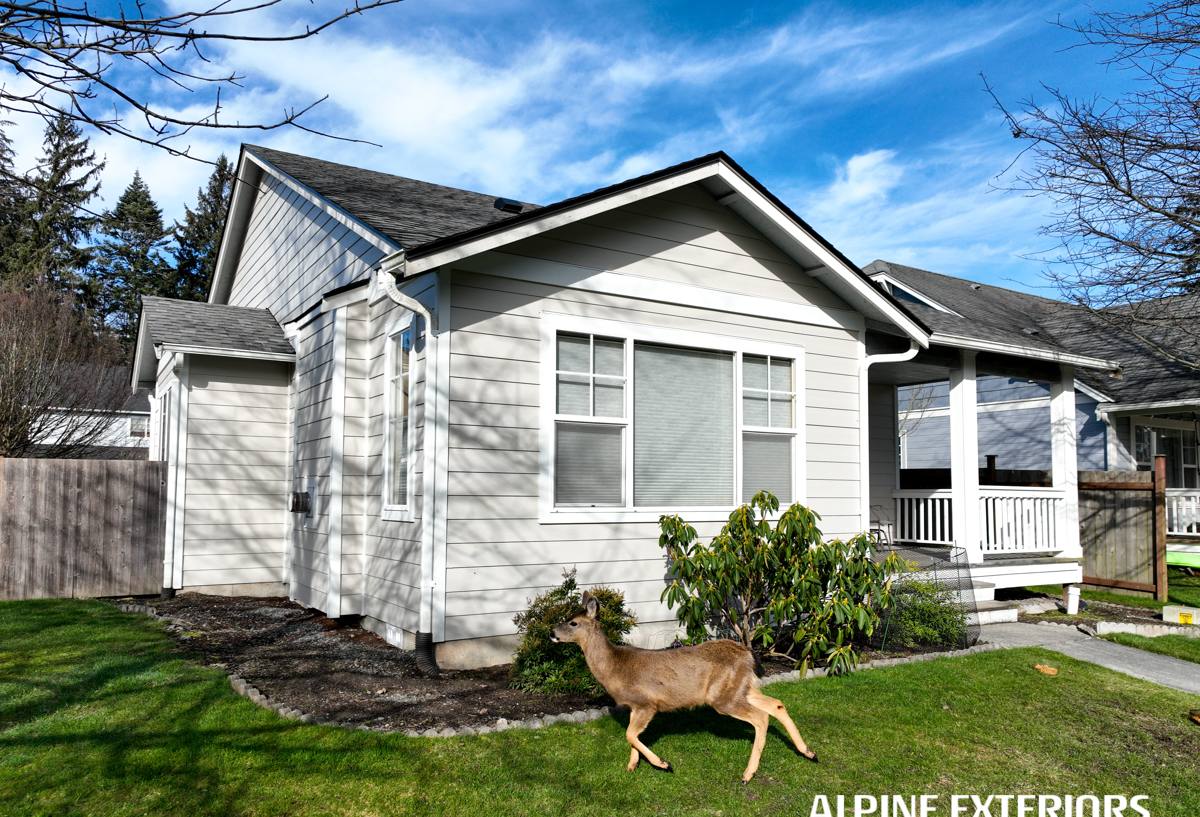
What the Climate Does to Homes in This Area
Sun and UV Load
Central Florida gets an enormous amount of direct sun exposure across the year, and Pinellas Park is no exception. UV breaks down paint film, dries out caulking, and causes lesser building materials to fade, chalk, or become brittle well before their expected service life is up. Anything on the exterior of a house here is getting tested by the sun constantly, not just in July.
Wind-Driven Rain
Pinellas County sits in a hurricane-exposed part of the state, and even outside of named storms, this area gets frequent heavy rain pushed sideways by wind. That's a different stress than rain falling straight down. Wind-driven rain finds gaps in siding laps, poorly sealed trim joints, and undersized flashing that would never be a problem in a calmer climate. Water intrusion around windows and doors is one of the most common issues we see traced back to that exact cause.
Salt Air and Humidity
While Pinellas Park isn't directly on the coast, it's close enough to Tampa Bay and the Gulf that salt-laden air still reaches homes here, especially with onshore winds. Combined with the region's high year-round humidity, that's a corrosive, moisture-heavy environment for fasteners, trim, and any siding product that isn't dimensionally stable when it absorbs moisture.
Hurricane-Force Wind Events
Every storm season, homes in this area have to withstand sustained high winds and windborne debris. Siding that isn't installed to current wind-load requirements, or that was installed with the wrong fasteners or fastening pattern, is far more likely to lift, crack, or fail during a wind event — and once it fails in one section, water gets behind the whole wall assembly.
Why We Only Install James Hardie Fiber Cement Siding
We made a decision a while back to standardize on James Hardie fiber cement siding for every siding job we do, including here in Pinellas Park. We don't install vinyl siding, LP SmartSide, Cemplank, Allura, or primed wood products like spruce or cedar lap siding. That's a deliberate stance, not a sales pitch, and it's worth explaining honestly.
Vinyl siding is inexpensive and easy to install, but it's a thin plastic product that expands and contracts significantly with heat, can warp or melt under intense sun and reflected heat from windows, and doesn't hold up well to wind-driven debris. In a market with this much sun exposure and hurricane risk, we don't think it's the right long-term investment for most homeowners.
Engineered wood products like LP SmartSide use treated wood strand technology, which performs reasonably well in drier climates, but wood-based products are inherently more vulnerable to moisture intrusion at cut edges, seams, and fastener points. In a humid, storm-exposed county like this one, any breach in the factory coating creates an entry point for swelling and rot over time.
Other fiber cement brands like Cemplank and Allura are legitimate products in the same general category as James Hardie, but we've standardized on one manufacturer so we can guarantee consistent specifications, installation training, and warranty support across every job. James Hardie's HZ5 product line is engineered specifically for high-humidity, hot-climate regions like Florida, with a moisture and fungus resistance formulation built into the substrate itself. Combined with the factory-applied ColorPlus finish — which is baked on under controlled conditions rather than field-painted — it holds color and resists the fading, cracking, and peeling that this much UV exposure causes on site-painted surfaces.
Primed wood siding, whether spruce, cedar, or another species, requires the homeowner to maintain the paint film indefinitely. Miss a repaint cycle in this climate and moisture starts working into the wood. We've simply seen enough of that maintenance burden play out on real houses to not want to install it ourselves.
What James Hardie Gets Right for This Area
- Non-combustible fiber cement composition — a real advantage in a state where wildfire and ember exposure are a growing concern in some inland areas
- Engineered HZ5 formulation for high-humidity, high-heat Southern climates
- Factory-applied ColorPlus finish that resists UV fading far longer than field-applied paint
- Dimensionally stable under Florida's heat and humidity swings — it doesn't warp or buckle the way some alternatives can
- Strong transferable limited warranty when installed by a certified, trained crew
How We Approach a Siding Job in Pinellas Park
Every siding project starts with an honest look at the existing wall assembly, not just the visible siding. In this area, that means checking for moisture damage behind older siding, verifying that window and door flashing meets current standards, and confirming the house wrap or weather barrier underneath is intact before anything new goes up. Installing new siding over a compromised substrate just locks the problem in.
From there, correct installation is what actually determines whether siding performs in a wind event or a wet season — the product choice only matters if the installation matches it. That includes proper fastener type and spacing, correct clearances at grade and roof lines, sealed joints at penetrations, and following manufacturer-specified nailing patterns for the local wind zone. James Hardie's warranty coverage depends on installation meeting their published specifications, which is part of why we train our crews specifically on that system rather than switching between several different siding products.
Roofing, Windows, and Decks in the Same Climate
Siding doesn't work in isolation — it's one piece of the building envelope, and we handle roofing, windows, and decks for the same reason: those systems all have to work together to keep water out of a house in this climate.
Roofing
A roof that's failing or has compromised flashing will eventually cause problems at the top course of siding and around any wall penetrations, regardless of how good the siding installation is. We look at roof condition as part of any full exterior evaluation.
Windows
Window flashing and sealant are common failure points during wind-driven rain events. When we replace siding around existing windows, we check that flashing integrates properly with the new siding rather than just butting new material against old trim.
Decks
Outdoor structures in Pinellas County take the same UV and moisture beating as the rest of the house, often with less protection from overhangs. Material choice and proper ledger attachment matter as much here as anywhere else on the exterior.
Comparing Siding Options for Homes in This Climate
| Material | UV/Fade Resistance | Moisture Tolerance | Wind Performance | Maintenance |
|---|---|---|---|---|
| James Hardie Fiber Cement | Strong (factory ColorPlus finish) | Engineered for humid climates (HZ5) | Strong when installed to spec | Low |
| Vinyl | Fades and can warp under heat | Fair, but seams can allow water behind panel | Weaker under high wind/debris | Low, but limited repair options |
| LP SmartSide / Engineered Wood | Moderate | Vulnerable at cut edges and seams | Moderate | Moderate |
| Primed Wood (spruce/cedar) | Weak without regular repainting | Weak once coating is compromised | Moderate | High — ongoing repainting required |
Practical Checklist Before Choosing a Siding Contractor
- Ask what siding wind-zone rating and fastening pattern they use for this specific address
- Confirm they check flashing and the weather barrier, not just the visible siding
- Get the manufacturer warranty terms in writing, not just verbally described
- Ask how they handle window and door integration during a siding replacement
- Verify licensing and insurance directly, not just by taking a company's word for it
- Ask whether the crew installing the job is the same crew doing the sales estimate, or subcontracted separately
What a Project Timeline Generally Looks Like
Full siding replacement timelines vary with house size, how much substrate repair is needed, and weather during the project window — Florida's rainy season can add delays that are simply unavoidable. A straightforward single-story home in the Pinellas Park area is generally a matter of days once substrate issues are resolved, while larger homes or projects involving significant repair take longer. We'd rather give an honest range after seeing the actual house than a number that doesn't hold up once we open the walls.
Working With a Local Crew
There's a real difference between a contractor headquartered somewhere out of state running a call center, and a crew that's actually working driveways in Pinellas Park and the surrounding Pinellas County communities regularly. A local crew has seen how the local climate actually treats different products over years, not just on a spec sheet, and is still around to answer a warranty question or a follow-up concern well after the invoice is paid.
If you're weighing options for your home's siding, roofing, windows, or decking, we're happy to take a look and give you a straightforward, no-pressure estimate — including an honest answer on whether James Hardie fiber cement is the right fit for your specific house and budget. Reach out using the form below to get started.