 Seminole Siding
 Living This Close to the Gulf Changes What Your Siding Has to Survive
Madeira Beach sits about as close to the Gulf of Mexico as a Pinellas County home can get, and that proximity shapes everything about how the exterior of a house ages here. Homes just a few blocks inland from Seminole see meaningfully less airborne salt than homes right up against the barrier island, and Madeira Beach properties absorb the full effect. Salt-laden air rides in on the sea breeze nearly every day, settling on siding, trim, and fasteners whether or not a storm is anywhere nearby.
Add in the sun exposure this part of Florida gets nearly year-round, the wind-driven rain that comes with any tropical system moving through the Gulf, and the straight-line gusts a strong summer storm can throw at a beachfront or near-beachfront home, and you have a combination that few building materials are actually engineered to handle long-term. This page walks through what that combination does to a home's exterior, and what we do differently as a result.
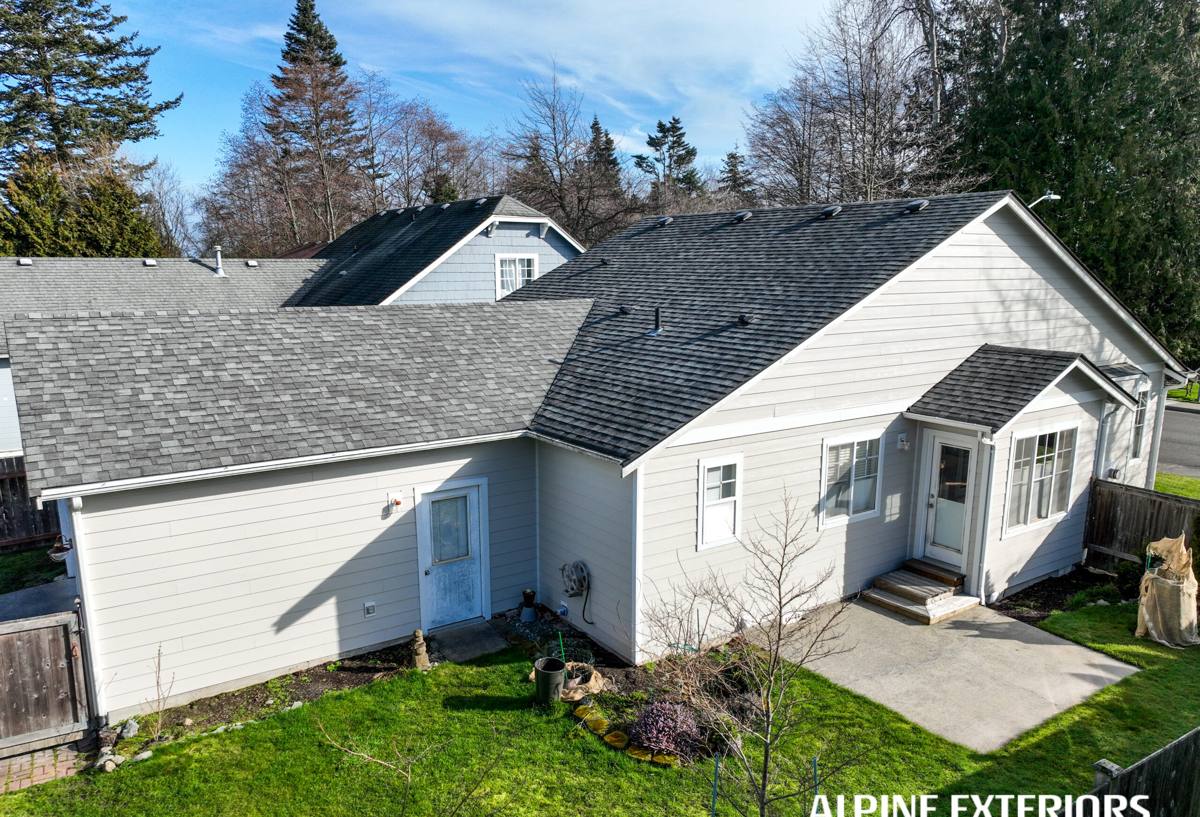
What Gulf-Adjacent Exposure Actually Does to a House
Salt Air and Corrosion
Airborne salt doesn't need a direct ocean view to do damage — it travels on the wind and settles as a fine film on every exterior surface. Over years, that film accelerates corrosion of exposed fasteners, staples, and any metal trim components. Siding materials that rely on paper-faced substrates or untreated wood fiber are especially vulnerable, because salt moisture works its way into edges and seams and starts breaking down the material from the inside.
Constant UV Load
Florida sun is intense for most of the year, and a home without much shade tree cover — common on barrier island lots — takes that UV load directly on its south and west-facing walls. Paint film chalks and fades faster under this kind of exposure. Products that depend on a field-applied paint job for their finish tend to show wear on those sun-facing elevations years before the rest of the house.
Wind-Driven Rain and Storm Gusts
When a tropical system or a strong summer storm moves across Pinellas County, the rain doesn't just fall — it's driven sideways into the wall assembly. Siding, trim, and flashing details all need to shed that water rather than trap it. Wind load matters too: siding that isn't rated and fastened for the gust speeds this coastline can see is a weak point in the whole exterior envelope, not just a cosmetic concern.
Why We Install James Hardie Fiber Cement — and Only James Hardie
Seminole Siding Company made a deliberate decision to install James Hardie fiber cement siding exclusively. We don't offer vinyl, LP SmartSide, Cemplank, Allura, primed spruce, or cedar, and that's not an accident or a lack of options — it's a standard we hold because of what we've seen exposure like Madeira Beach's do to homes over time.
Non-Combustible Composition
James Hardie siding is fiber cement — sand, cement, and cellulose fiber — which means it doesn't burn, warp, or invite the pest and rot issues that wood-based products can face in a humid coastal climate.
ColorPlus Factory Finish
Rather than relying on a field-applied paint job to survive constant UV and salt exposure, Hardie's ColorPlus finish is baked on in a controlled factory process, engineered specifically to resist fading and hold up to the kind of sun load a near-Gulf home takes on every day.
HZ5 Engineering for This Exact Climate
James Hardie engineers its HZ (HardieZone) product lines for specific climate zones, and Florida falls into the HZ5 category — formulated with moisture and humidity resistance in mind. That's not marketing language; it reflects a real difference in how the product is formulated for a wet, humid, coastal environment versus a dry inland one.
A Transferable, Real-World Warranty
Hardie backs its products with a strong, transferable warranty — something that matters to homeowners who may sell within a decade or two, which is common in a beach community like Madeira Beach.
What We Say No To, and Why
We think homeowners deserve an honest explanation of the products we've chosen not to install, not just a sales pitch for the one we do.
| Product | What It Gets Right | Why It's a Tougher Fit Here |
|---|---|---|
| Vinyl siding | Low upfront cost, minimal maintenance in mild climates | Can soften, warp, or become brittle under sustained heat and intense UV; seams are a weak point against wind-driven rain |
| LP SmartSide | Engineered wood, easier install for some crews | Wood-based substrate is more moisture-sensitive than fiber cement in a high-humidity, salt-air environment over the long run |
| Cemplank / Allura | Fiber cement, similar base material to Hardie | Different manufacturing process and factory finish options; we've standardized our crews, warranty process, and finish system around Hardie specifically |
| Primed spruce / cedar | Natural wood look, traditional appearance | Requires ongoing repainting and sealing to hold up against salt and UV; highest long-term maintenance burden of the group |
None of this means these products can't perform reasonably well in the right circumstances — it means we've chosen to put our name behind one system we trust for this exact climate, rather than offer several and hope each holds up.
How Our Crew Approaches Siding, Roofing, Windows, and Decks Together
A home's exterior works as one connected system, and that's especially true this close to the water. Siding, roofline, windows, and any deck or outdoor living space all interact — a small flashing gap at a window can let wind-driven rain behind the siding, and a deck ledger board attached without the right moisture barrier can rot a wall section from the inside out. Because we handle all four trades, we look at the whole envelope rather than treating siding as an isolated job.
Roofing
Roof-wall intersections, drip edges, and flashing details matter enormously in wind-driven rain. We check these transitions as part of any siding project rather than assuming they're someone else's problem.
Windows
Window flashing and trim integration is one of the most common failure points we find on older Gulf-area homes. Replacing siding is a natural point to correct these details if they weren't done right originally.
Decks
Outdoor living spaces on barrier island and near-coastal lots take the same sun and salt exposure as the house itself, and ledger connections need the same moisture-management attention as any other wall penetration.
What a Siding Job Looks Like for a Madeira Beach Property
Assessment Factors We Look At
- Distance from the water and typical wind exposure of the specific lot
- Condition of existing flashing at windows, doors, and roof transitions
- Signs of moisture intrusion or fastener corrosion on current siding
- Sun exposure on each elevation, especially south- and west-facing walls
- Any deck, porch, or attached structure that ties into the wall assembly
- HOA or community aesthetic guidelines common in beach neighborhoods
What Correct Installation Involves
Fiber cement performs the way it's designed to only when installed to manufacturer specification — proper fastener type and spacing, correct clearances from grade and roofline, and weather-resistant barrier detailing behind the siding. Cutting corners on any of these steps is where coastal homes run into trouble regardless of which siding brand was used. We follow Hardie's installation guidelines closely because that's what keeps the warranty valid and the wall assembly performing as intended.
Cost Factors Homeowners Should Understand
| Factor | Why It Affects Price |
|---|---|
| Home size and number of stories | More surface area and higher access requirements increase labor time |
| Existing wall condition | Rot or moisture damage found during removal may require substrate repair before new siding goes on |
| Trim and detail complexity | Homes with more corners, window trim, and architectural detail take longer to finish correctly |
| Product line and finish selection | Hardie offers multiple plank profiles and ColorPlus finish options at different price points |
| Scope beyond siding | Bundling roofing, window, or deck work into one project can create efficiencies versus separate jobs |
We don't quote a project without seeing the home first — every one of these factors can shift the number, and a fair estimate depends on an actual look at the property, not a phone-quoted range.
Why a Local Crew Matters for This Kind of Work
A contractor who works across Pinellas County regularly knows the difference between a home three miles inland and one sitting near Gulf-facing exposure in Madeira Beach — not as an abstract idea, but from having repaired and replaced siding on both. That experience shapes decisions about fastener choice, moisture barrier detailing, and where to spend extra attention during installation. It also means someone is local and reachable if a question comes up after the job is done, rather than a crew that moves on to another region and doesn't come back.
Ready for an Honest Look at Your Home
If you're weighing a siding project for a Madeira Beach property, we're glad to take a look and walk you through what we see — no pressure, no obligation. Fill out the form below to schedule a free estimate.