 Seminole Siding
 What Is Primed Wood Siding, Exactly?
Primed wood siding — often milled from spruce, and sometimes sold under names like "primed spruce lap" — is a solid-sawn wood board that arrives from the factory with a coat of primer already applied. The idea is straightforward: the primer seals the wood before it ever reaches the jobsite, giving the installer a head start on paint adhesion and, in theory, better long-term protection than field-priming raw lumber. It's been a staple of traditional home exteriors for generations, and there's a reason it still shows up on lumberyard shelves.
We get asked about it regularly, usually from homeowners in Seminole who grew up with wood siding on a family home up north, or who like the look of a traditional lap profile and want to know if we can match it. The honest answer is that we don't install primed wood siding on Pinellas County homes, and we think you deserve to know exactly why before you make a decision on your own house.
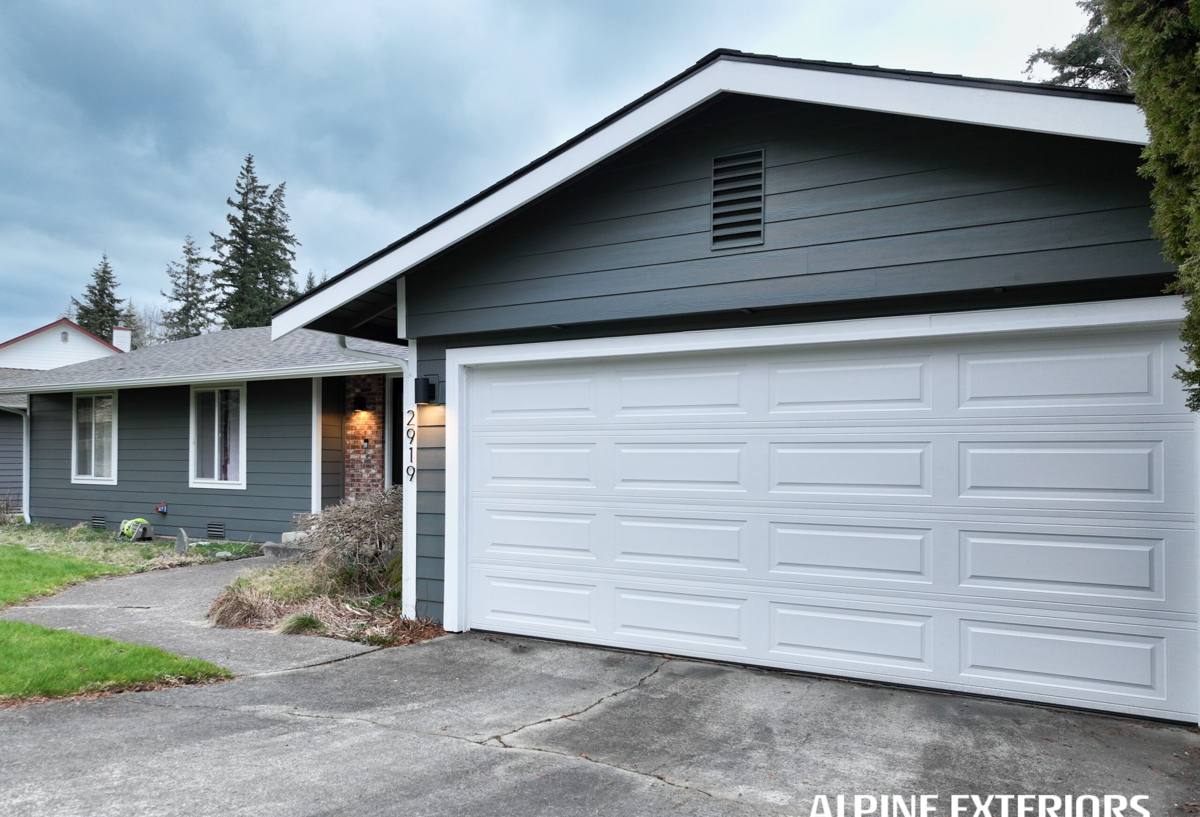
What Primed Wood Siding Gets Right
We're not going to pretend this is a bad product with nothing going for it — that wouldn't be honest, and it wouldn't help you make a good decision.
- Authentic wood grain and profile. Nothing fabricated matches the subtle irregularity of real wood the way real wood does.
- Repairable in sections. A damaged board can be cut out and replaced by anyone comfortable with basic carpentry.
- Familiar to painters and carpenters. It's been around long enough that most trades know how to work with it.
- Lower upfront material cost than many premium siding systems, at least before you factor in what it costs to maintain over the years you own the home.
If you live somewhere with a mild, dry climate and you're committed to a disciplined repainting schedule, primed wood can perform reasonably well for a long time. The problem is that Seminole isn't that climate.
The Trade-Offs That Made Us Say No
Wood Moves — and Florida Humidity Makes It Move More
Wood is hygroscopic, meaning it absorbs and releases moisture from the surrounding air. As it does, it expands and contracts. In a climate with big, sustained swings between soaking-wet wind-driven rain and hot, dry UV exposure — which describes a typical Pinellas County summer — that movement happens more often and more aggressively than it would in a drier region. Over time, that constant expansion and contraction stresses the paint film, opens hairline joints at the butt seams, and can eventually cause boards to cup, crack, or split.
The Primer Only Protects Until the First Cut
Factory priming coats the face and back of the board before it leaves the mill. But every board gets cut to length on site, and every cut end, every nail hole, and every field seam exposes raw, unprimed wood. If those cut ends and fasteners aren't back-primed and caulked correctly on every single piece, that's where water gets in first — and it's a step that's easy to shortcut and hard for a homeowner to verify after the fact.
The Paint Maintenance Cycle Never Stops
Primed wood siding is not a "paint it once and forget it" product. Intense, nearly year-round UV exposure in this part of Florida breaks down paint film faster than it does in most of the country, and salt-laden air moving inland from the Gulf accelerates that further. Realistically, you're looking at repainting on a cycle measured in a handful of years, not decades, if you want to keep the wood protected. Skip a cycle and the wood underneath starts absorbing moisture directly.
Insects and Rot Are a Real Florida Concern
Once paint fails and moisture gets into the wood fiber, spruce siding becomes vulnerable to rot and to wood-destroying insects that are common in this region. Damage is often hidden behind intact-looking paint until a board is soft to the touch or a repaint reveals soft, crumbling wood underneath — at which point the fix isn't touch-up paint, it's board replacement.
Warranty Structure
Primed wood siding warranties, where they exist, typically cover manufacturing defects in the board itself — not the paint finish, not moisture damage, and not insect damage. In practice, most of the real-world failure modes we just described fall outside what any warranty actually covers. That's a very different promise than a factory-applied finish warranty backing the color and finish for decades.
Why This Matters More in Seminole Than It Would Inland
Seminole sits close enough to the Gulf that salt air is a genuine factor on top of everything else. Add in Pinellas County's hurricane-season wind-driven rain, which drives water sideways into siding joints and fastener holes far more aggressively than a normal rainstorm, and the annual UV load that comes with our latitude, and you've got three separate stresses working on painted wood siding at the same time, nearly all year long. Any one of these on its own is manageable. Together, and repeated year after year, they're the reason we don't think primed wood siding is a fair thing to sell a homeowner in this specific climate — even though the same product might make sense in a drier, milder part of the country.
Primed Wood vs. James Hardie Fiber Cement
| Factor | Primed Wood Siding | James Hardie Fiber Cement |
|---|---|---|
| Core material | Solid wood (spruce), absorbs moisture | Cement, sand, cellulose fiber — dimensionally stable |
| Finish | Field or factory primer only; repaint required | Factory-applied ColorPlus finish, baked on |
| Repaint cycle in this climate | Every few years to stay protected | Finish warranty measured in decades, not painted at all if unwanted |
| Moisture/rot risk | High if paint fails or cuts aren't sealed | Does not rot; engineered for wet climates |
| Insect vulnerability | Susceptible once compromised | Not a food source for wood-destroying insects |
| Fire behavior | Combustible | Non-combustible core |
| Warranty scope | Usually manufacturing defects only | Product and finish warranty, transferable |
What We Install Instead, and Why
We standardized this company on James Hardie fiber cement siding, and we don't install LP SmartSide, vinyl, primed spruce, cedar, or other fiber cement brands. That's a deliberate professional standard, not a sales pitch dressed up as one. Hardie's fiber cement core doesn't absorb moisture the way wood does, isn't a food source for insects, and carries a non-combustible core — a real consideration on Florida homes exposed to lightning-driven brush fires as well as everyday risk. Hardie's HZ5 product line is specifically engineered for hot, humid, storm-exposed climates like ours, and the factory-applied ColorPlus finish is baked on under controlled conditions rather than brushed on in the field, which is a big part of why it holds color and resists cracking far longer than site-applied paint on wood. Behind all of that sits a strong, transferable product and finish warranty — the kind of coverage that actually corresponds to how the product performs in this climate, not just coverage on manufacturing defects.
None of this means primed wood siding is a scam or that everyone who has it made a mistake. It means that after years of installing exteriors in Pinellas County's specific combination of heat, humidity, salt air, and storm exposure, we decided we could no longer in good conscience recommend a product whose long-term performance depends this heavily on a maintenance schedule most homeowners don't keep up with.
If You Already Have Primed Wood Siding: A Maintenance Checklist
If your Seminole home currently has primed wood or cedar siding and you're not ready to replace it yet, here's what actually matters for keeping it protected in the meantime:
- Inspect the full exterior at least twice a year, focusing on butt joints, corners, and anywhere trim meets siding.
- Look for paint that's chalking, peeling, or has hairline cracks — these are early warnings, not cosmetic issues to ignore.
- Press on any board that looks discolored or stained; softness means moisture has already gotten in.
- Re-caulk joints and fastener heads as soon as gaps appear, not on a fixed calendar.
- Keep gutters and downspouts clear so water isn't sheeting down the wall face.
- Trim back landscaping that keeps siding shaded and damp for long stretches after rain.
- Budget for a full repaint on a real cycle — don't stretch it because the color still looks "okay" from the street.
Making the Right Call for Your Home
Every siding material involves trade-offs, and the right answer depends on your budget, how long you plan to stay in the home, and how much ongoing maintenance you're realistically willing to keep up with. We're glad to walk through your specific situation, look at the condition of what's currently on your house, and give you a straight answer — even if that answer is that a full replacement isn't urgent yet. If you'd like a free, no-pressure estimate on James Hardie siding for your Seminole home, the form below gets you started.