 Seminole Siding
 Exterior Work on a Barrier Island Is a Different Job
Indian Shores sits on a narrow strip of land between the Gulf of Mexico and the Intracoastal Waterway, and that geography changes everything about how a home's exterior ages. Homes here are closer to open salt water than almost anywhere else in Pinellas County, which means siding, trim, windows, and deck materials take on a combination of stresses that inland Seminole neighborhoods simply don't see to the same degree. Salt-laden air moves across the entire island on a near-constant basis, sun exposure is intense and reflects off the Gulf as well as coming straight down, and the wind that drives rain sideways during a summer storm or a tropical system doesn't lose much force before it reaches a house.
We work throughout Seminole and the surrounding barrier island communities, and Indian Shores is one of the areas where the difference between a correctly installed exterior and a merely adequate one shows up fastest. A siding or window installation that would hold up fine a few miles inland can fail years early here if it isn't matched to the exposure. That's the lens we bring to every estimate on the island.
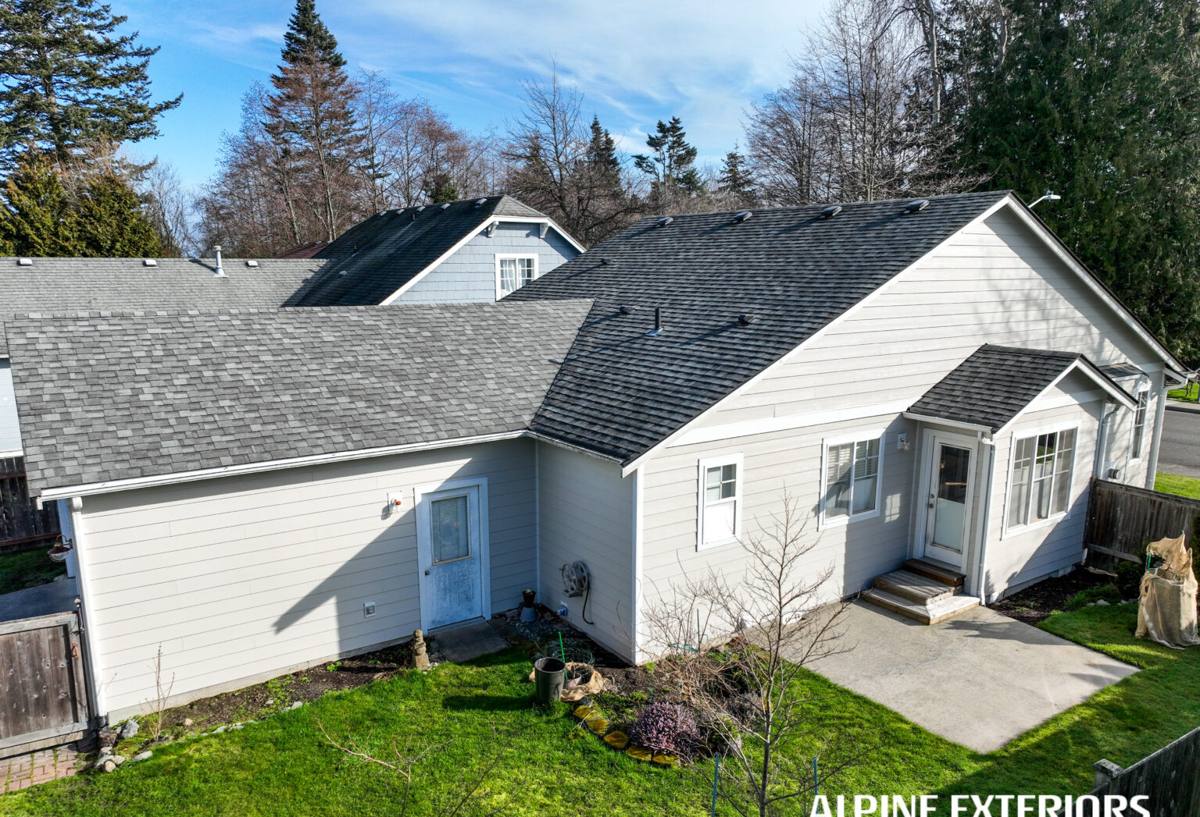
What the Climate Actually Does to a House Here
Salt Air and Corrosion
Airborne salt doesn't just sit on the surface of a building — it works into fasteners, flashing, and any exposed metal, accelerating corrosion in ways that inland homes rarely experience at the same rate. Over time, corroding fasteners and hardware are one of the most common reasons trim and siding components loosen or fail, and it's a slower, quieter problem than storm damage, which is part of why it gets missed until it's already advanced.
UV and Heat
Florida sun is intense year-round, and on a barrier island there's no tree canopy or inland buffer softening it. UV breaks down paint films, causes fading, and dries out caulking and sealants faster than most homeowners expect. Siding materials and finishes that aren't engineered for sustained UV exposure tend to chalk, fade, or crack well ahead of their rated lifespan.
Wind and Wind-Driven Rain
Being unprotected on the Gulf side means Indian Shores homes catch wind loads that inland Seminole properties don't. During named storms — and even during regular summer thunderstorms — wind-driven rain gets forced sideways into seams, laps, and penetrations that would stay dry in a normal rain event. Siding, window, and door installations that aren't detailed correctly for that kind of pressure are where water intrusion problems usually start.
Humidity and Moisture Cycling
Constant humidity combined with afternoon storms means exterior materials are cycling between wet and dry, hot and cool, almost daily. Materials that absorb moisture and swell, or that trap moisture behind them, are more prone to rot, delamination, and coating failure in this kind of cycling than materials engineered to resist water absorption in the first place.
Why Product Choice Matters More Here Than Almost Anywhere
Because Indian Shores sits at the extreme end of coastal exposure for this region, the gap between an exterior product that's built for this environment and one that merely tolerates it becomes obvious faster. This is a large part of why we standardized on James Hardie fiber cement siding for every siding installation we do, including on the island. We don't install vinyl, LP SmartSide, Cemplank, Allura, or wood siding products like primed spruce or cedar, and on a barrier island the reasoning behind that decision matters even more than it does elsewhere in our service area.
How the Common Alternatives Hold Up in This Exposure
- Vinyl siding can soften, warp, or become brittle under sustained heat and intense UV, and high wind events can catch panels at the edges more easily than with a heavier, fastened material.
- Wood siding (primed spruce, cedar) requires disciplined, ongoing maintenance to resist moisture and rot, and the humidity cycling common on the island shortens the window between repaints and inspections.
- LP SmartSide is an engineered wood product, which means its long-term performance depends heavily on keeping its factory coating and edge seals fully intact — a harder standard to maintain in constant salt air and moisture.
- Cemplank and Allura are also fiber cement products, and fiber cement generally is a sound category for this climate. Our decision to install only James Hardie comes down to their specific climate-engineered product lines, factory finish process, and installation specifications, not a rejection of fiber cement as a material.
Fiber cement as a category resists the things that hurt siding here: it doesn't absorb moisture the way wood-based products do, it's non-combustible, and it holds paint and color far longer under UV than vinyl or unprotected wood. James Hardie's HZ5 product line in particular is engineered for high-humidity, high-moisture climates like ours, and their ColorPlus factory finish is baked on and warrantied against fading in a way that field-applied paint on other materials can't match.
How We Approach Siding Installation for Barrier Island Homes
Material choice is only half the equation — installation detailing is where most premature siding failures on the coast actually originate. On an island exposure like Indian Shores, we pay particular attention to a few things:
- Flashing and water management at every window, door, and penetration, since wind-driven rain will find any gap that isn't properly lapped and sealed
- Fastener selection and spacing appropriate to coastal wind uplift requirements
- Proper clearance between siding and grade, decks, and roof lines to avoid trapping moisture
- Correct joint and seam treatment so caulking isn't doing more work than it's designed for
- Manufacturer-specified nailing patterns and starter strip installation, since deviations are one of the most common causes of early siding problems
James Hardie's installation instructions are specific for a reason, and following them to the letter is part of what keeps their warranty intact. We install to spec because that's the only way the material actually performs the way it's engineered to over the long run.
Roofing, Windows, and Decks in the Same Exposure
Siding doesn't fail in isolation on a barrier island — roofing, windows, and decks are all working against the same salt air, UV, and wind, and problems in one area often show up as damage in another. A roof with compromised flashing can send water behind siding. Windows with failing seals let wind-driven rain track down into wall assemblies. A deck with corroding hardware or moisture-trapped ledger connections is a safety issue as much as a cosmetic one.
Because we handle siding, roofing, windows, and decks, we look at a home's exterior as one connected system rather than a series of unrelated projects. That matters on the island in particular, since an isolated repair that doesn't account for how water moves across the whole envelope can end up solving one symptom while leaving the underlying moisture path untouched.
Comparing Exterior Priorities for a Barrier Island Home
| Exterior Component | Primary Coastal Stress | What to Watch For |
|---|---|---|
| Siding | Salt air, UV, wind-driven rain | Fading, chalking, loose panels, soft spots |
| Roofing | Wind uplift, UV, storm debris | Lifted shingles, compromised flashing, granule loss |
| Windows | Wind-driven rain, pressure cycling | Fogging between panes, failing seals, water staining below sills |
| Decks | Moisture cycling, salt corrosion of hardware | Rusted fasteners, soft or spongy boards, loose railings |
Why a Local Crew Matters on Indian Shores
Working on a barrier island isn't the same logistically as working a few miles inland. Access can be tighter, lots tend to be narrower, and local permitting and inspection standards reflect the higher wind-zone and flood-zone requirements that apply here. A crew that regularly works Pinellas County's coastal communities knows what inspectors are looking for on Indian Shores specifically, understands the practical realities of staging material and equipment on a narrow island lot, and has a feel for how fast conditions can change when weather moves in off the Gulf.
That local familiarity isn't a marketing point — it's what keeps a project on schedule and installed correctly the first time, which matters even more when the exposure gives materials less room for error.
What to Ask Before Hiring Anyone for Coastal Exterior Work
- Are they familiar with current Pinellas County wind-zone and flood-zone requirements for this area?
- Do they carry manufacturer certification for the specific siding product they're proposing?
- Can they explain their flashing and water-management approach in plain language, not just "we'll seal it up"?
- Do they hold proper licensing and insurance for coastal Florida exterior work?
- Will they put material, warranty, and scope of work in writing before starting?
Planning a Project on the Island
Whether you're dealing with siding that's aged out, a roof that took a hit in the last storm season, windows that are letting in more than light, or a deck that needs attention before it becomes a safety problem, the starting point is the same: an honest, in-person look at what's actually happening to the exterior and what it will take to fix it right for this specific location. We're happy to walk a property in Indian Shores, point out what we see, and lay out options plainly — including where a repair makes sense versus where replacement is the more honest long-term answer.
If you'd like a free, no-pressure estimate on siding, roofing, windows, or decks for your Indian Shores home, the form below is the easiest way to get started.