 Seminole Siding
 Why Color Choice Matters More Here Than Most Places
Picking a siding color feels like the fun part of a siding project, right up until you realize how much Pinellas County's climate works against a bad decision. Seminole sits close enough to the Gulf that salt-laden air reaches most neighborhoods, the sun is intense and nearly constant, and afternoon storms mean wind-driven rain hits vertical wall surfaces far more often than it does in drier climates. A color that looks great on a sample chip can chalk, fade unevenly, or show lap-line staining within a few years if the underlying product and finish weren't built for this environment.
That's the real story behind James Hardie colors. It isn't just a paint chip selection — it's a factory-engineered finish system, and understanding how it works helps you make a choice you won't regret in five or ten years.
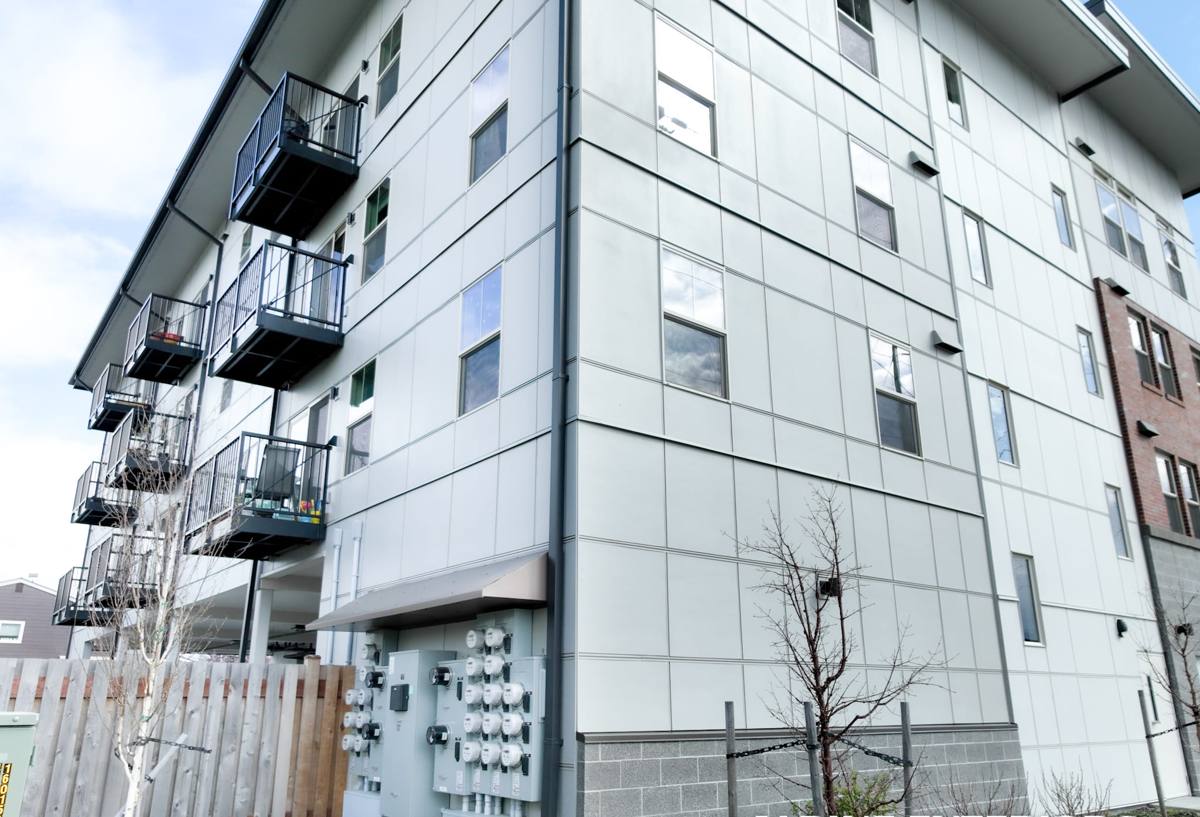
ColorPlus Technology: What's Actually Different
James Hardie siding is available two ways: primed (you or your contractor paints it after installation) or with ColorPlus Technology, a factory-applied finish baked onto the fiber cement in a controlled environment before it ever reaches the jobsite. That distinction matters a lot in a coastal Florida market.
How the Factory Finish Holds Up
Field-applied paint goes on over a porous fiber cement surface, in outdoor conditions, with humidity and temperature variables the crew can't fully control. ColorPlus finish is cured in multiple baked-on coats under factory conditions, which produces a more uniform, harder finish with better color consistency from board to board. In a climate with intense UV exposure and salt air pulling moisture in and out of exterior surfaces, that difference shows up as better fade resistance and fewer touch-up headaches down the road.
The Warranty Difference
This is where it gets concrete. Field-painted siding is covered by whatever warranty the paint manufacturer offers on that specific product and substrate — often shorter, and rarely transferable in a meaningful way. ColorPlus finishes carry a separate finish warranty from James Hardie (in addition to the product warranty on the substrate itself), and it's designed to travel with the house if you sell. For a lot of Seminole homeowners planning to stay 10+ years, or wanting a clean disclosure item at resale, that's not a minor detail.
The Color Collections
James Hardie organizes its color options into a few curated palettes rather than an overwhelming open-ended list. That's intentional — every color in the lineup has been tested for UV and weather performance, so you're choosing from a set that's already been vetted rather than guessing.
- Statement Collection — bolder, higher-contrast colors for homeowners who want the siding itself to be a design statement.
- Dream Collection — traditional, timeless shades that work with a wide range of architectural styles and neighborhoods.
- Century Collection — designed to complement specific regional architectural traditions, with historically grounded tones.
Within these collections you'll find the shades that show up again and again in Florida coastal neighborhoods: warm whites and sail-cloth neutrals that reflect heat well, deeper grays and blues for a more contemporary look, and earth-toned browns and taupes that pair naturally with brick, stone, or tile roofing. There isn't a single "Florida color" — the right pick depends on your roof, your trim, your lot's sun exposure, and often your HOA's guidelines.
Choosing a Color for Coastal Florida Conditions
Heat and UV
Lighter colors reflect more solar heat and tend to show less visible fading over time simply because there's less pigment saturation to lose. Darker colors can look sharp, but on a west- or south-facing elevation with full sun most of the day, expect more visible weathering over the life of the finish, even with ColorPlus. This isn't a reason to avoid dark colors — plenty of Seminole homes wear them well — it's a reason to think about which elevations get the harshest exposure before committing.
Salt Air and Coastal Proximity
Homes closer to the intracoastal or Gulf-facing areas deal with airborne salt settling on exterior surfaces. It doesn't damage fiber cement the way it corrodes metal, but combined with humidity it can accelerate the appearance of grime and mildew streaking on any siding color, light or dark. Routine rinsing (a garden hose, not pressure-washing the finish directly) keeps this in check regardless of color choice.
Wind-Driven Rain and Lap Lines
Florida's afternoon storm pattern means rain frequently comes in sideways against wall surfaces. Poor installation — caulk gaps, incorrect flashing, insufficient lap overlap — shows up as staining or streaking at the bottom edge of each course over time, and it's more visible on some colors than others. This is really an installation issue, not a color issue, but it's worth knowing that a beautiful color choice can't compensate for corners cut during install.
HZ5 Product Line and Why It's the Right Fit Here
James Hardie engineers its siding in different formulations (HZ) matched to climate zones across the country. Pinellas County falls in a zone where the HZ5 formulation is the appropriate specification — engineered for high-humidity, high-moisture climates, with better resistance to moisture-related damage than formulations designed for drier regions. Pairing the correct HZ specification with a ColorPlus finish is what actually delivers the long-term performance homeowners expect — one without the other leaves value on the table.
Primed vs. ColorPlus: A Practical Comparison
| Factor | Primed (Field-Painted) | ColorPlus Factory Finish |
|---|---|---|
| Finish consistency | Depends on painter, weather during application | Uniform, factory-controlled cure |
| Fade/UV resistance | Varies by paint brand and coats applied | Engineered and tested for long-term color retention |
| Finish warranty | Standard paint manufacturer terms, often shorter | James Hardie finish warranty, separate from product warranty |
| Upfront cost | Sometimes lower material cost, added labor for painting | Higher material cost, no separate paint labor needed |
| Repainting timeline | Typically sooner, especially on sun-exposed elevations | Longer interval before repainting is needed |
| Touch-up matching | Can be difficult to match exactly years later | Touch-up kits formulated to match the original factory color |
We install ColorPlus finishes as our standard recommendation for exactly these reasons — it's a better match for what Seminole's sun and coastal air do to exterior surfaces over a 15-30 year ownership window.
Coordinating Color With the Rest of the House
A siding color decision doesn't happen in isolation. The most common regret we see isn't a "bad" color — it's a color that clashes with a roof, trim, or a neighborhood's established look. A few practical guardrails:
- Pull the undertone of your roof shingle or tile first — warm grays and cool grays don't mix well next to each other.
- Look at your home in different light — morning, midday, and evening sun change how a color reads dramatically.
- Check your HOA's approved color list or architectural guidelines before finalizing anything, especially in deed-restricted Seminole communities.
- Order a large physical sample board rather than trusting a small chip or a screen rendering — factory finishes read differently at scale.
- Consider resale broadly: neutral and traditional tones tend to have wider buyer appeal than highly saturated or unusual colors.
- Coordinate trim and fascia color deliberately — contrast trim can sharpen a home's look, or matching trim can create a cleaner, more unified appearance.
Maintenance and Long-Term Color Care
Even a factory-cured ColorPlus finish benefits from basic upkeep in this climate. Rinse siding periodically to clear salt residue, pollen, and organic growth before it builds up. Keep sprinklers from hitting siding directly and constantly — repeated mineral-laden water spotting the same spot will dull a finish faster than sun exposure alone. Trim back shrubs and trees that hold moisture against the wall, since consistently damp siding (regardless of color) is more prone to mildew staining. None of this is heavy maintenance — it's the kind of occasional attention that protects the investment you made in the finish.
What Color Changes Down the Road
If you ever want to change color later — a different owner, a remodel, a shift in taste — ColorPlus-finished Hardie board can be painted over conventionally, the same as any exterior surface, once it's reached the right age and is properly prepped. You're not locked in forever; you're just starting from a finish that performs far longer than an unfinished or field-painted board before that decision ever needs to be made.
Getting This Right the First Time
Color decisions are hard to undo once installation is underway, and a mismatched or poorly-matched color choice is a visible mistake for years. Taking the time upfront — comparing collections, checking large samples in your own yard's light, confirming HOA rules, and understanding the ColorPlus warranty terms — pays off far more than rushing to a decision from a small paint chip.
If you're planning a siding project in Seminole or elsewhere in Pinellas County and want to talk through color options that hold up against Florida sun, salt air, and storm season, we're happy to walk you through samples and give you a straightforward, no-pressure estimate.