 Seminole Siding
 Siding Built for Belleair's Coastal Conditions
Belleair sits close enough to the Gulf that the air itself works against a house. Between the salt carried in on sea breezes, the humidity that never really lets up, and the sun beating down nearly every day of the year, the exterior of a home here ages faster than it would almost anywhere inland. Add in the real risk of hurricane-force winds and wind-driven rain during storm season, and you've got a climate that's genuinely tough on siding, trim, and paint. We're a local crew based right here in the Seminole and Pinellas County area, and Belleair is part of our regular service territory — not a stretch assignment we drive an hour to reach once a year.
That local footprint matters more than most homeowners realize until they've dealt with a contractor who isn't. We know what a Belleair roofline typically deals with in July versus February, we know how quickly a poorly caulked seam turns into a moisture problem in this humidity, and we show up for warranty calls and follow-ups because we're not packing up and leaving the county when the job's done.
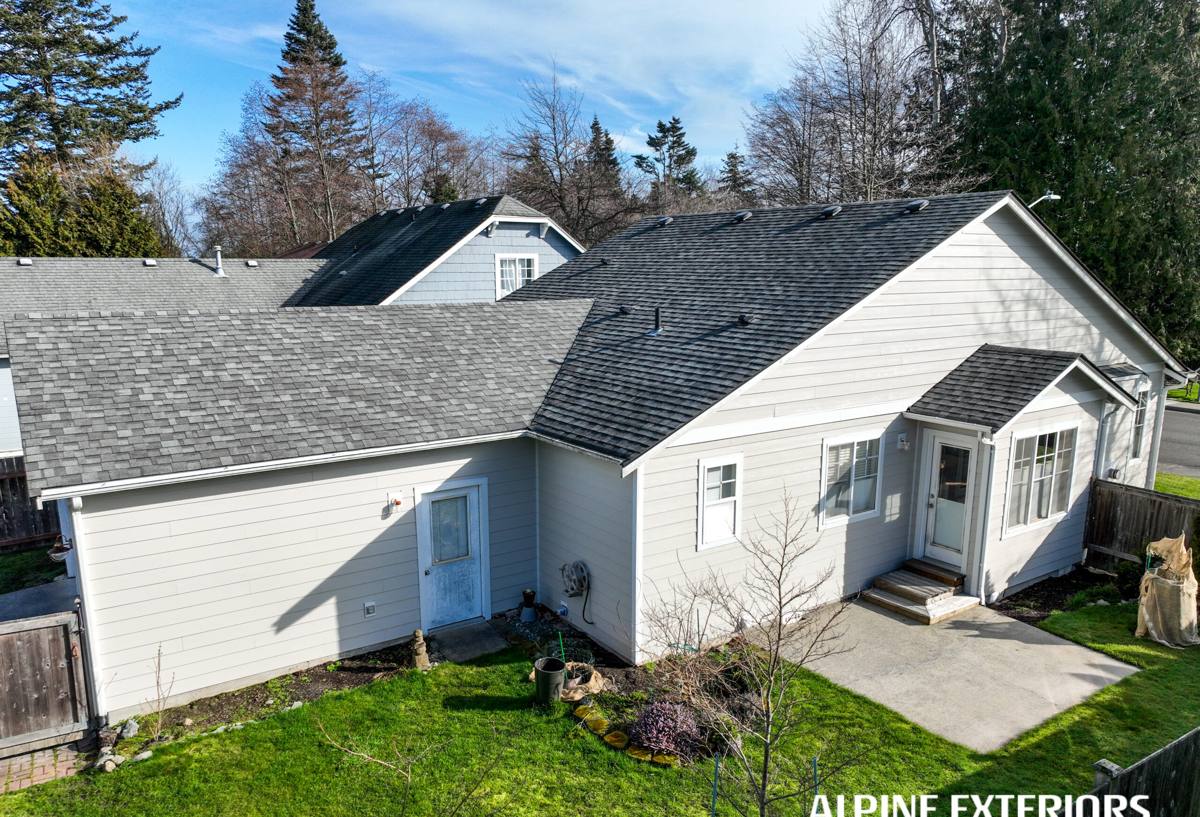
What Pinellas County Weather Does to a House
Four things drive most of the exterior wear we see on homes in this part of Florida:
- UV exposure: Near-constant sun breaks down cheap paint finishes and causes fading, chalking, and surface degradation on lower-grade siding materials.
- Humidity and moisture: Florida's humidity keeps building materials damp longer than drier climates, which accelerates rot in wood-based products and promotes mold and mildew growth on surfaces that don't shed water well.
- Salt air: Even a few miles from the Gulf, airborne salt accelerates corrosion of fasteners and metal components and can degrade certain finishes over time.
- Wind and wind-driven rain: Tropical storms and hurricane-force gusts don't just risk structural damage — they drive rain sideways into any gap, seam, or weak point in the building envelope.
None of this is unique to Belleair specifically, but it's the baseline reality for every home in this stretch of the Gulf coast, and it's why we think hard about material choice before we ever pick up a nail gun.
Why This Changes What We Recommend
A siding product that performs fine in a dry, mild climate can fail early here. We've seen it enough times that we made a deliberate decision as a company: we install James Hardie fiber cement siding exclusively. We don't install vinyl, LP SmartSide, Cemplank, Allura, or unfinished wood siding like primed spruce or cedar. That's not a knock on every homeowner who has one of those products on their house today — it's a standard we hold ourselves to because of what we've watched Florida's climate do to exteriors over years of work in this market.
Why We Don't Install Vinyl, Wood, or Other Fiber Cement Brands
Vinyl Siding
Vinyl is inexpensive and easy to install, and for a lot of climates it's a perfectly reasonable choice. But in intense, sustained UV exposure like Pinellas County gets, vinyl tends to fade, warp, and become brittle faster than in cooler or cloudier regions. It also doesn't hold up well against wind-driven debris in tropical storms — panels can crack or blow off in gusts that a heavier, properly fastened fiber cement product would shrug off. We'd rather not put something on a Belleair roofline that we know is working against the local weather from day one.
Wood Siding (Primed Spruce, Cedar)
Real wood siding has genuine curb appeal, but it's a maintenance commitment in a humid coastal climate. Wood absorbs moisture, and repeated wet-dry cycling combined with Florida's humidity creates ideal conditions for rot, warping, and insect damage. Keeping wood siding sound here means staying on top of repainting and resealing on a tight schedule — skip a cycle or two and you're often looking at board replacement, not just a touch-up.
LP SmartSide, Cemplank, and Allura
LP SmartSide is an engineered wood product, which means it shares some of wood's moisture sensitivity — the strand-based core can swell or deteriorate at cut edges and panel joints if water gets in and isn't caught early. Cemplank and Allura are both legitimate fiber cement manufacturers competing directly with James Hardie, and the raw material category performs well in this climate generally. Our reason for not installing them isn't the fiber cement chemistry — it's that we've standardized our crews, our installation details, and our warranty relationship around one system so we can guarantee consistency on every job. James Hardie's HZ5 product line is also engineered specifically for high-humidity, storm-prone climates like Florida's, which lines up with what Belleair homes actually need.
Why James Hardie Fiber Cement
James Hardie siding is fiber cement — a mix of cellulose fiber, sand, and portland cement pressed into boards and panels. It's non-combustible, dimensionally stable, and doesn't feed insects the way wood does. For a Gulf coast property, the practical advantages come down to a few things:
- Moisture resistance: Fiber cement doesn't absorb and swell the way wood or engineered wood products can, which matters in a climate where humidity is a year-round condition, not a season.
- ColorPlus factory finish: Hardie's baked-on finish is engineered to resist UV fading better than field-applied paint, which matters under Florida's sun load.
- HZ5 engineering: Hardie's HZ5 product line is specifically formulated for climates with heavy moisture exposure — Florida is squarely in that category.
- Wind performance: Properly installed fiber cement siding, correctly fastened per manufacturer spec, holds up well against the wind loads this region sees during tropical weather.
- Non-combustible core: Fiber cement won't ignite or contribute fuel to a fire the way wood-based siding can.
Comparing the Options
| Material | UV/Fade Resistance | Moisture Behavior in Humid Climate | Wind/Storm Durability | Typical Maintenance |
|---|---|---|---|---|
| James Hardie Fiber Cement | Strong (factory ColorPlus finish) | Excellent — doesn't absorb/swell | Strong when installed to spec | Low — occasional wash, repaint on a long cycle if not ColorPlus |
| Vinyl | Fades/chalks faster in intense sun | Fair, but can warp in heat | Can crack or blow off in high winds | Low, but limited repair options once damaged |
| Wood (Primed Spruce/Cedar) | Weak — repaint often needed | Poor — prone to rot, swelling | Moderate, depends on fastening | High — regular repainting/resealing |
| LP SmartSide (Engineered Wood) | Moderate | Sensitive at cut edges/joints if water intrudes | Moderate to strong | Moderate — edge sealing is critical |
How the Job Works, Start to Finish
Assessment and Estimate
We walk the exterior, check for existing moisture damage, rot, or failed flashing, and talk through what a full re-side would involve for your specific home. This is where we're upfront about condition issues we find — sometimes it's cosmetic, sometimes there's underlying sheathing damage that needs addressing before new siding goes on.
Removal of Old Siding
We strip the existing siding down to the sheathing so we can actually inspect what's underneath. This step matters — covering up hidden moisture damage with new siding just traps the problem.
Weather Barrier and Prep
A correctly installed weather-resistant barrier underneath the siding is one of the most important — and least visible — parts of the job. In a climate with wind-driven rain, this layer is what keeps water from getting behind the siding in the first place.
Installation to Manufacturer Spec
James Hardie siding has specific fastening patterns, clearances, and joint treatment requirements. Installed correctly, it performs the way it's engineered to. Installed with shortcuts — wrong fastener spacing, insufficient clearance at grade, poorly sealed joints — even the best material can underperform. This is where crew experience and attention to detail actually show up in long-term results.
Trim, Caulking, and Finish Details
The finish details — corner trim, window and door casings, caulking at penetrations — are often where failures start if rushed. We treat these as part of the core install, not an afterthought.
Final Walkthrough
We walk the finished job with the homeowner before calling it done.
Beyond Siding: Roofing, Windows, and Decks
Siding doesn't operate in isolation — the roofline, window flashing, and any attached deck or porch structure all interact with how water moves around a house. We handle roofing, windows, and decks as well as siding, which means when we're on a Belleair property we can look at the whole exterior envelope rather than just the walls. A window that isn't flashed correctly can undermine even a perfect siding installation, and a roof edge that's shedding water onto a wall assembly will cause problems no matter how good the siding is. Having one crew responsible for these connected systems cuts down on the finger-pointing that happens when separate contractors handle each piece independently.
What to Ask Before Hiring Any Siding Contractor
Whether you go with us or someone else, a few questions will tell you a lot about who you're hiring:
- Are they licensed and insured to work in Florida, and can they provide proof?
- Do they remove old siding down to the sheathing, or install over existing material?
- What weather-resistant barrier do they use, and how do they handle seams and penetrations?
- Are they a manufacturer-trained or certified installer for the product they're proposing?
- What does the warranty actually cover — material only, or labor too — and who honors it if something goes wrong five years from now?
- Are they local, with a track record of being reachable after the invoice is paid?
Cost Factors Homeowners Should Understand
We don't publish blanket pricing because every home is different, but the major cost drivers on a Belleair siding project are generally consistent:
| Factor | Why It Affects Cost |
|---|---|
| Home size and wall complexity | More square footage and more corners, gables, and dormers mean more material and labor time |
| Condition of existing sheathing | Hidden rot or moisture damage found during removal adds repair scope |
| Siding profile and accessories | Trim details, board width, and accent choices affect material cost |
| Access and site conditions | Landscaping, fencing, or tight lot lines can add labor time |
| Finish option | Factory-finished ColorPlus versus field-painted affects both cost and long-term maintenance |
Why a Local Crew Matters
Belleair homeowners deal with the same Pinellas County climate we do — we're not learning it from a manual. A local crew is also who you can actually reach if a warranty question comes up two years down the road, or if a storm rolls through and you want an exterior inspection before small damage becomes a bigger problem. We're not a national franchise dispatching whichever subcontractor is available that week; we're based in the area, and the people who bid the job are generally the people who show up to do it.
If you're weighing a siding replacement for a Belleair home, we're happy to come take a look and talk through what we're seeing — no pressure, no obligation. Use the form below to request a free estimate.