 Seminole Siding
 Siding Built for Clearwater's Gulf Coast Exposure
Clearwater sits close enough to the Gulf that homes here deal with a different set of stresses than houses even ten or fifteen miles inland. Salt-laden air moves off the water and settles on exterior surfaces year-round. Summer humidity stays high for months at a stretch. UV exposure is intense and constant, not seasonal. And when a tropical system or a strong summer storm rolls through, wind-driven rain gets forced sideways into every seam, joint, and fastener point on a home's exterior. Siding in this part of Pinellas County isn't just cosmetic — it's the first line of defense against a climate that never really lets up.
We install and service siding, roofing, windows, and decks for homeowners throughout the Clearwater area, and siding is where we're the most particular about what goes on a wall. We only install James Hardie fiber cement siding. That's not a marketing angle — it's a standard we hold to because of what we've seen hold up in coastal Florida conditions and what tends to struggle.
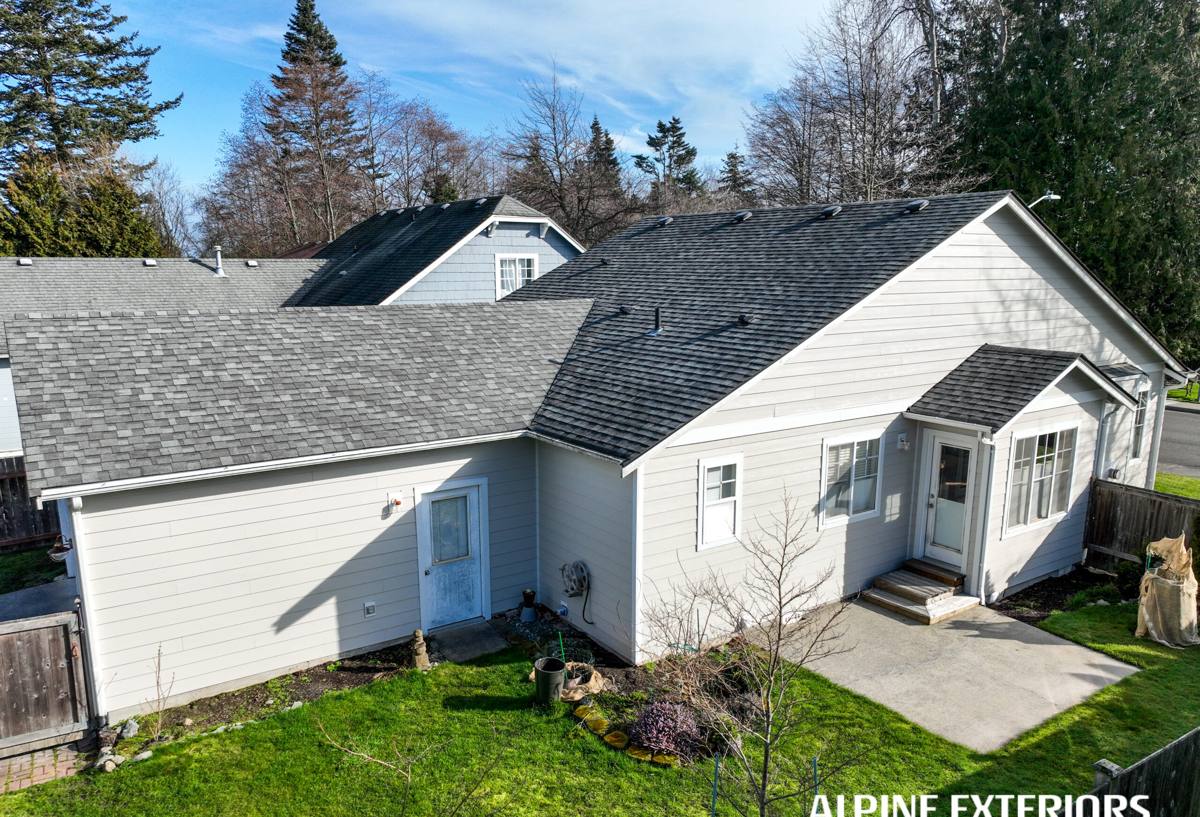
What Clearwater's Climate Actually Does to Exterior Siding
Salt Air and Corrosion
Proximity to saltwater doesn't just affect metal fasteners and flashing — it accelerates the breakdown of paint films and certain siding substrates over time. Salt crystals are hygroscopic, meaning they pull moisture out of the air and hold it against a surface longer than it would otherwise sit there. That extended moisture contact is hard on wood-based and wood-composite products in particular, and it's part of why we steer homeowners away from them in this area.
UV and Color Fade
Florida sun is relentless. Factory-applied finishes that aren't engineered for sustained UV exposure tend to chalk, fade unevenly, or lose adhesion years before a homeowner expects to repaint. A siding product's finish system matters as much as the substrate underneath it.
Humidity and Moisture Cycling
Clearwater doesn't get a real dry season. Materials that absorb and release moisture repeatedly — swelling, drying, swelling again — are prone to warping, delamination, or fastener pull-through over the years. Fiber cement doesn't behave that way; it's dimensionally stable across humidity swings in a way wood and some composite products aren't.
Wind and Wind-Driven Rain
Even outside of a named storm, Gulf-adjacent weather regularly pushes rain sideways into siding laps and around window and door openings. Correct installation — proper overlaps, flashing, and fastening — matters as much as the product itself when it comes to keeping water out of the wall assembly.
Why We Only Install James Hardie Fiber Cement
We get asked fairly often why we don't offer vinyl, LP SmartSide, or other composite and engineered wood siding options. The honest answer is that we made a decision as a company to standardize on one product system after weighing what actually performs in this climate against what looks fine on a spec sheet.
- Non-combustible material — fiber cement doesn't contribute fuel to a fire the way wood-based products can, which matters for both safety and, in many cases, insurance considerations.
- Engineered moisture resistance — Hardie's fiber cement formulation is built to resist swelling, cracking, and rot in ways that wood and wood-composite substrates fundamentally cannot match, because the material itself isn't wood.
- ColorPlus factory finish — a baked-on finish applied under controlled conditions holds color and resists fading far better than field-applied paint, which matters under Florida's UV load.
- Climate-engineered product lines — Hardie makes region-specific formulations (their HZ product lines) designed around the moisture and humidity profile of climates like ours, rather than a one-size-fits-all national product.
- Warranty structure — Hardie backs its products with a strong, transferable warranty, which also supports resale value for homeowners who may sell in the years after installation.
To be fair to the alternatives: vinyl siding is inexpensive and low-maintenance in mild climates, and engineered wood products can look good and install quickly. Our issue isn't that these products are worthless — it's that when we weigh their real-world trade-offs against what a coastal Pinellas County home is exposed to over 20-30 years, fiber cement is the product we're willing to put our name behind. That's a standard, not a knock on every other option.
Comparing Siding Options for a Coastal Pinellas Home
| Factor | James Hardie Fiber Cement | Vinyl | Engineered Wood |
|---|---|---|---|
| Moisture behavior | Dimensionally stable, resists swelling | Doesn't absorb moisture, but can warp under heat | Absorbs moisture; prone to swelling/rot if compromised |
| UV/fade resistance | Baked-on ColorPlus finish holds color | Fades and can become brittle over time | Field-applied finishes fade faster |
| Fire resistance | Non-combustible | Combustible, can melt | Combustible |
| Wind/impact durability | Rated for high wind zones, resists cracking | Can crack or blow off in high winds | Moderate; vulnerable to moisture-related failure |
| Typical lifespan installed to spec | Decades, backed by transferable warranty | Shorter, especially in coastal salt exposure | Shorter if moisture management fails |
This table reflects general product characteristics, not specific performance guarantees — actual results always depend on installation quality and maintenance.
How Our Siding Process Works for Clearwater Homes
Assessment
We start with an on-site look at the home's current siding, trim, and any areas showing wear — cracked caulk joints, staining, soft spots, or fading. In a salt-air environment, we also check flashing and fastener condition closely, since corrosion there can undermine even good siding.
Product and Color Selection
We walk homeowners through Hardie's plank, shingle, and panel profiles along with the ColorPlus palette, factoring in HOA guidelines where they apply and how a color will read under intense Florida sun.
Installation to Manufacturer Spec
Fiber cement performs the way it's supposed to only when it's installed correctly — proper clearances, fastening patterns, and flashing details around penetrations and openings. This is where a lot of the long-term performance difference actually comes from, more than the product alone.
Final Walkthrough
We go over the finished work with the homeowner, checking seams, trim, and caulking before calling the job complete.
Roofing, Windows, and Decks — The Rest of the Envelope
Siding doesn't work in isolation. A home's roof, windows, and any exterior decking all interact with the same wind, rain, and sun exposure that drives our approach to siding. We handle all four so we can look at a Clearwater home's exterior as one connected system rather than a series of unrelated projects — a leaking window or a failing roof edge can undermine even well-installed siding if it's left unaddressed.
Signs It May Be Time to Look at Your Siding
- Visible cracking, warping, or soft spots on siding panels or trim
- Peeling or bubbling paint that keeps coming back after repainting
- Staining or streaking that suggests water is tracking behind the siding
- Gaps opening up at seams, corners, or around windows and doors
- Rising energy bills that may point to a compromised exterior envelope
- Visible mold, mildew, or a persistent musty smell near exterior walls
Why Hire a Local Crew for This Kind of Work
Siding installation in a coastal wind and humidity zone isn't something you want handled by a crew unfamiliar with the local building codes or the way weather here actually behaves. Wind-load and flashing requirements in Pinellas County reflect the real conditions homes face, and a contractor who works this area regularly understands how those requirements translate into practice — not just what's written on a permit. Local presence also means we're available for follow-up, warranty questions, or a look at how the siding is holding up a few years down the road, rather than having installed a job and moved on to another region.
Maintenance That Actually Matters in This Climate
James Hardie siding is low-maintenance compared to wood, but "low-maintenance" doesn't mean "no maintenance," especially this close to the Gulf.
- Rinse siding periodically to remove salt residue and airborne grime, particularly on sides of the home facing prevailing winds
- Inspect caulking around windows, doors, and trim annually and re-caulk where it's cracked or gapping
- Keep landscaping trimmed back so leaves and moisture don't sit against siding
- Have siding checked after any significant storm for cracked panels or loosened trim
These are simple habits, but they meaningfully extend the life of any exterior system in a salt-air, high-UV climate like Clearwater's.
Get a Local, No-Pressure Estimate
If your Clearwater home's siding is showing its age, or you're planning ahead for a roof, window, or deck project, we're happy to take a look and walk you through honest options — including why we'd recommend James Hardie fiber cement for a home in this climate. Reach out for a free estimate; there's no obligation and no pressure, just a straightforward assessment from a crew that works this area.