 Seminole Siding
 Siding in Kenneth City: Built for Pinellas County's Toughest Conditions
Kenneth City is one of the smaller, tighter-knit communities tucked into Pinellas County, sitting close to Seminole and surrounded by the same coastal weather that batters the rest of the peninsula. Homes here don't get a break just because they're a few miles inland from the beach. Salt-laden air still moves through on the prevailing winds, the sun is just as intense, and when a tropical system tracks through the region, Kenneth City takes the same wind-driven rain and gusts as its neighbors along the Gulf. If you own a home here, your siding is doing real work every single day, whether you notice it or not.
We're a local exterior contractor serving Seminole and the surrounding Pinellas County communities, including Kenneth City. This page walks through what the climate actually does to exterior siding in this area, why we install James Hardie fiber cement exclusively, and how our process works if you're ready to look at replacement.
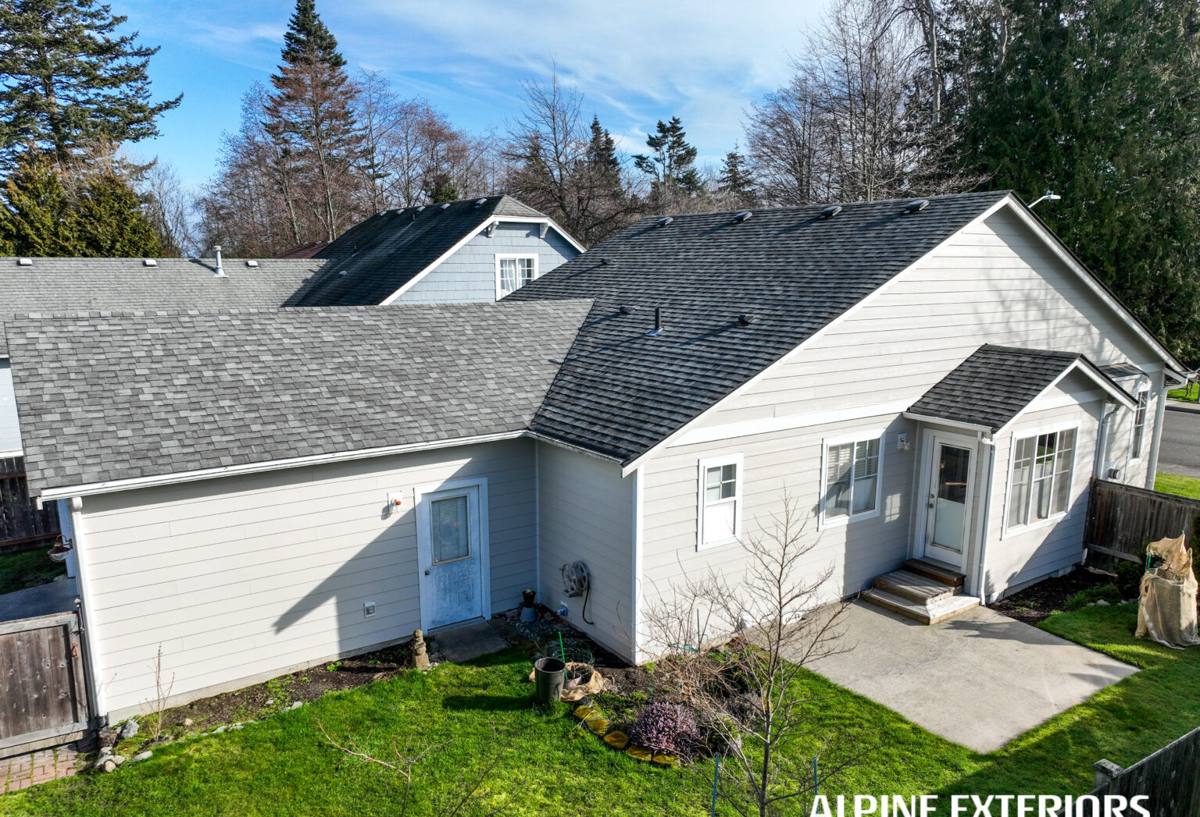
What Kenneth City's Climate Does to Exterior Siding
Heat and UV Exposure
Florida's sun doesn't take a season off. Pinellas County sees intense, near year-round UV exposure that breaks down the surface of lower-quality siding materials over time. Paint chalks and fades faster than manufacturers' warranties usually admit, and materials that aren't formulated to handle constant UV load can become brittle or discolored well before a homeowner expects to be thinking about replacement.
Humidity and Wind-Driven Rain
Pinellas County's humidity is a constant, and during storm season that humidity is joined by wind-driven rain that gets pushed sideways into wall assemblies, not just straight down. Siding that isn't dimensionally stable, or that isn't installed with the right flashing and clearances, lets moisture find its way behind the surface. Once moisture gets trapped in a wall system, it doesn't leave on its own — it sits there and causes rot, mold, and structural problems that are far more expensive to fix than the siding itself.
Salt Air
Even communities that aren't directly on the water, like Kenneth City, sit close enough to the Gulf that salt aerosol travels inland on the wind. Salt accelerates corrosion of fasteners and trim, and it degrades certain siding finishes faster than manufacturers' lab testing (usually done in non-coastal environments) would suggest. Over years, that steady low-grade exposure adds up.
Hurricane-Force Wind
Pinellas County sits in an active hurricane corridor, and Kenneth City is not exempt from that risk. Siding needs to stay fastened and intact under sustained high winds and wind-borne debris, not just look good on a calm day. Impact resistance and fastening strength matter as much as appearance when you're choosing a product for a home in this part of Florida.
Why We Install Only James Hardie Fiber Cement
We made a deliberate decision as a company to install James Hardie fiber cement siding exclusively — not vinyl, not LP SmartSide, not primed wood products. That's not a marketing angle; it's a standard we hold because of what we've seen these materials do (and not do) in exactly the kind of climate Kenneth City sits in.
Non-Combustible Material
James Hardie siding is fiber cement, which is non-combustible. That matters for insurance conversations and for straightforward peace of mind, particularly compared to vinyl siding, which can soften, warp, or melt when exposed to significant heat.
Engineered for Climate, Not Just Painted
James Hardie makes climate-specific product lines engineered for humid, high-UV, coastal environments — the HZ5 line is formulated for exactly the conditions Florida delivers. That's a meaningfully different approach than a general-purpose siding product sold the same way in every region of the country.
Factory-Applied ColorPlus Finish
Rather than field-painted siding that starts degrading under UV from day one, James Hardie's ColorPlus finish is baked on in a controlled factory process, which gives it stronger fade and chip resistance than most site-applied paint jobs. That matters enormously under Pinellas County sun.
Warranty and Longevity
James Hardie backs its siding with a strong, transferable limited warranty — a real asset if you sell your home down the line. Combined with proper installation, it's a product designed to perform for decades, not just look good for the first few years.
What We Won't Install, and Why
Homeowners in Kenneth City sometimes ask us about vinyl siding, LP SmartSide, or other engineered wood products because they're less expensive up front. We're honest about the trade-offs rather than just steering the conversation:
- Vinyl siding is affordable and easy to install, but it can warp or distort in high heat, has limited impact resistance against wind-borne debris, and its color is baked into the material itself rather than a separately engineered finish — so fading over years of Florida sun is a real consideration.
- LP SmartSide and other engineered wood products perform well in many climates, but they rely on wood fiber with a resin/wax binder. In consistently humid, wind-driven-rain conditions, correct installation (caulking, flashing, clearances) becomes especially critical to prevent moisture intrusion at seams and edges over the long term.
- Primed spruce or cedar requires the homeowner to keep up with repainting on a schedule most people don't realize going in, and untreated moisture exposure can lead to rot faster than fiber cement.
None of that means these products are junk — they work fine in plenty of applications. It means that after years in this trade, in this climate, we decided our name goes on installations we're confident will hold up, and that's James Hardie.
Comparing Siding Materials for Florida's Climate
| Factor | James Hardie Fiber Cement | Vinyl | Engineered Wood (LP SmartSide) |
|---|---|---|---|
| UV/fade resistance | Factory-baked ColorPlus finish | Color molded in, fades over time | Requires factory or field finish upkeep |
| Heat tolerance | Stable, non-combustible | Can warp/soften in high heat | Stable if properly sealed |
| Moisture/rot resistance | Cement-based, not wood fiber | Won't rot, but seams can trap moisture | Vulnerable at seams if installation is imperfect |
| Wind/impact performance | Engineered HZ lines for high-wind zones | Lower impact resistance | Moderate, installation-dependent |
| Typical warranty | Strong, transferable limited warranty | Varies by manufacturer | Varies by manufacturer |
Roofing, Windows, and Decks — The Full Exterior Picture
Siding doesn't work in isolation. A home's roof, windows, and any exterior deck or porch structure all take the same UV, humidity, and wind load that the siding does, and problems in one area often show up as damage in another — a failing roofline can drive water behind siding, and gaps around window flashing can undermine an otherwise solid siding job. Because we handle siding, roofing, windows, and decks, we look at the exterior as one connected system when we're on a Kenneth City property, not just the piece a homeowner called about. That matters most at transitions: where roofline meets wall, where window trim meets siding, where a deck ties into the house.
What a Siding Project Looks Like
Assessment
We start with an honest look at your current siding's condition — whether it's a full replacement situation, or whether targeted repair makes more sense right now. We'll tell you which one it is.
Product and Color Selection
James Hardie offers multiple product lines (lap siding, shingle-style panels, vertical board-and-batten looks) and a wide ColorPlus palette. We'll walk through what fits your home's style and the HOA or neighborhood character common around Kenneth City and Seminole.
Installation to Manufacturer Spec
James Hardie's warranty coverage depends on installation following the manufacturer's specifications — correct fastening, clearances, flashing, and caulking. This is where a lot of the long-term performance difference between a good siding job and a problem siding job actually gets decided, and it's a big part of why local, experienced installation crews matter more than the brand name on the box.
Cleanup and Final Walkthrough
We finish with a walkthrough so you know exactly what was done and what to expect going forward.
Why a Local Crew Matters
A contractor who works Pinellas County day in and day out has seen how these homes age in this specific climate — which directions catch the worst wind-driven rain, how salt air shows up in fastener corrosion before it shows up anywhere else, what a hurricane season actually does to an under-flashed job. That's different knowledge than a crew that installs the same product the same way regardless of region. We're already working in Seminole and the surrounding communities, which means responsiveness for warranty questions, follow-up, and simply knowing your neighborhood isn't a hypothetical for us.
A Simple Pre-Project Checklist
- Walk your home's exterior and note any visibly warped, cracked, or discolored siding panels
- Check for soft spots or staining near the base of exterior walls, which can indicate trapped moisture
- Look at caulking and trim around windows and doors for gaps or separation
- Note how long it's been since your last full repaint (if applicable) — repeated repainting is a maintenance cost worth factoring in
- Ask any contractor you're vetting for their manufacturer certification and whether they follow published installation specs
- Get a written scope, not just a verbal estimate, before committing to a project
If you're a Kenneth City homeowner weighing your siding options, we're happy to take a look and give you a straight answer — no pressure, no upsell. Reach out for a free estimate using the form below, and we'll walk you through what we see and what it would take to get your home set up with siding built for this climate.