 Seminole Siding
 Exterior Work Built for a Barrier Island Address
St. Pete Beach sits on a narrow strip of sand between the Gulf of Mexico and Boca Ciega Bay, which means almost every home here is a coastal home whether it has a water view or not. That location is what makes the neighborhood desirable, and it's also exactly why exteriors here take more abuse than exteriors just a few miles inland in Seminole or greater Pinellas County. Salt-laden air moves across the entire island with every sea breeze, intense UV hits siding and trim nearly year-round, and wind-driven rain during storms finds every gap and seam a roof or wall system has. We work throughout this area regularly, and we build our recommendations around what actually holds up on a barrier island, not generic advice that ignores where the house sits.
What the Climate Actually Does to a House Here
Salt Air and Corrosion
Airborne salt is a slow, constant chemical stress. It accelerates corrosion on fasteners, flashing, and any exposed metal, and it degrades certain siding and trim materials faster than the same products would wear in a drier, inland climate. Homes closer to the Gulf side of the island typically see this more aggressively, but the whole community is close enough to open water that salt exposure should factor into every material choice.
UV Exposure
Florida sun is intense for most of the year, and a west- or south-facing wall on an open barrier island lot gets very little shade relief. UV breaks down paint films, dries out caulking, and fades or chalks lower-quality siding finishes faster than homeowners expect. A factory-applied finish rated for this kind of exposure matters more here than it would in a shadier, tree-covered neighborhood.
Wind-Driven Rain and Storm Wind
During tropical storms and hurricanes, rain doesn't just fall — it's driven sideways into walls, soffits, and window edges at high velocity. Combined with the wind loads themselves, this is a serious test of how well siding, flashing, and window installation were actually done, not just what products were used. Poor installation shows up here first, usually as water intrusion around windows, doors, or siding seams.
Siding: Why We Only Install James Hardie
We install James Hardie fiber cement siding exclusively. We don't install vinyl, LP SmartSide, Cemplank, Allura, or primed wood siding like spruce or cedar, and on a barrier island like St. Pete Beach that's not a marketing preference — it's a practical one.
- Vinyl can soften, warp, or become brittle under sustained heat and UV, and its color is baked through the material rather than factory-cured the way Hardie's ColorPlus finish is, so it fades differently over time in direct coastal sun.
- Wood-based siding (LP SmartSide, primed spruce, cedar) depends on an intact paint or primer film to keep moisture out. Salt air and UV both work against that film, and once it's compromised, wood-based substrates are vulnerable to swelling, rot, and pest damage — a much bigger risk near open water than inland.
- Other fiber cement brands (Cemplank, Allura) are a similar material category to Hardie, but we've standardized on Hardie specifically for its HZ5 climate-engineered formulation, its factory-applied ColorPlus finish, and the depth of documentation and warranty support behind it. Consistency in the product we install lets our crews install to spec every time, and lets us stand fully behind the result.
James Hardie fiber cement is non-combustible, doesn't support rot or termite damage, and its HZ5 product line is engineered for exactly the humidity, moisture, and temperature swings a Gulf Coast barrier island produces. The ColorPlus factory finish is baked on and warrantied against fading and peeling, which matters enormously in a spot that gets this much direct sun. It's also backed by a strong transferable limited warranty, which adds real value if the home is ever sold.
Hardie Product Lines We Work With
| Product | Typical Use | Why It Fits This Area |
|---|---|---|
| HardiePlank lap siding | Primary wall cladding | Most common Hardie product; HZ5 formulation suited to Gulf Coast humidity and storms |
| HardiePanel vertical siding | Accent walls, modern styling | Clean look for coastal-contemporary designs common near the beach |
| HardieTrim boards | Window, door, and corner trim | Resists the moisture and UV stress that breaks down wood trim fastest |
| HardieSoffit panels | Soffit and eave protection | Non-combustible, moisture-resistant coverage in a high-humidity zone |
Roofing That Matches the Wind Exposure
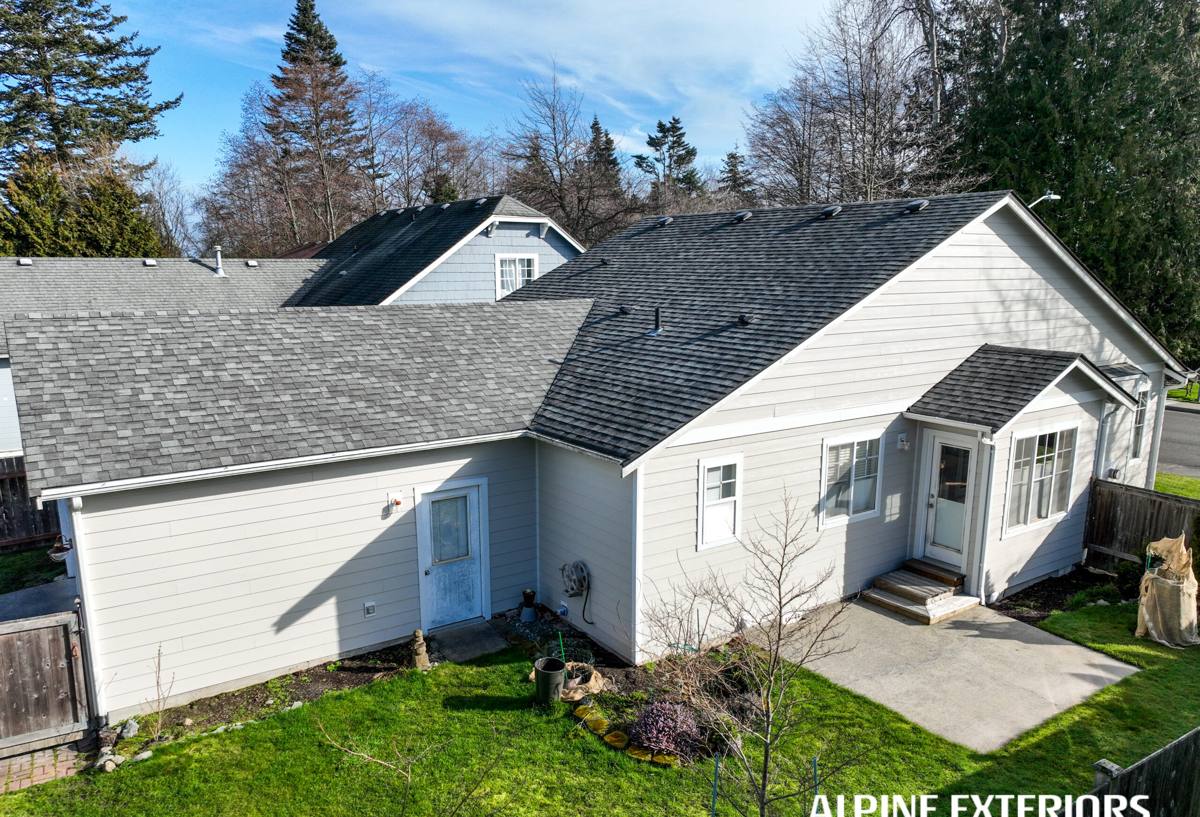
Roofs on St. Pete Beach take the brunt of both UV and wind. We look at underlayment quality, fastening patterns, and edge and flashing detail as closely as we look at the shingle or roofing material itself, because in a storm those details are usually what separates a roof that holds from one that doesn't. Ventilation matters too — a poorly ventilated attic in this heat and humidity accelerates wear on roofing materials from underneath, not just from sun exposure on top.
Windows: The Weak Point in Most Older Homes
A lot of the housing stock in and around St. Pete Beach includes older homes with original or aging windows. Aging seals and frames are one of the most common paths for wind-driven rain to get into a wall cavity during a storm, even when the siding and roof are in good shape. When we replace windows, we're looking at frame material, seal quality, and impact resistance where it's relevant, since Pinellas County's coastal exposure calls for a higher standard than a typical inland install.
Decks: Built for Salt, Sun, and Humidity
Outdoor living is a big part of why people choose to live on the beach, and decks here face their own version of the same problem: constant UV, salt exposure, and humidity that never really lets up. Material choice, fastener selection, and structural detailing all need to account for that, especially on any deck exposed to open water views or unshaded sun for most of the day. We build and repair decks with those conditions in mind rather than treating this like an inland deck project.
Why a Local Crew Matters Here
Barrier island construction isn't the same as inland Pinellas County construction, and it isn't the same as coastal work in a different climate zone either. A crew that works this area regularly understands:
- How salt exposure varies by proximity to the Gulf versus the bay side of the island
- What wind exposure categories and installation detailing actually hold up during named storms
- Which older homes in the area are more likely to have aging windows, trim, or flashing that need attention
- How to sequence exterior work around the area's storm season rather than getting caught mid-project
That local familiarity shows up in the details — the flashing choices, the fastening patterns, the way trim is sealed — far more than it shows up in any single product spec sheet.
What to Expect When You Work With Us
We start with an honest look at the house: what condition the current siding, roofing, windows, or deck are actually in, what's driven that condition, and what makes sense to repair versus replace. For siding specifically, that means an honest conversation about why we recommend James Hardie fiber cement over other materials, based on how this specific coastal location will treat whatever goes on the wall. We don't oversell scope that isn't needed, and we don't downplay wear that's genuinely a problem.
A Practical Pre-Storm-Season Checklist
- Check siding seams and trim joints for cracking, gaps, or failed caulking
- Look at window and door seals for signs of water staining or drafts
- Inspect roof flashing around vents, chimneys, and edges
- Check deck fasteners and structural connections for corrosion
- Look for chalking, fading, or peeling on painted or coated surfaces — a sign the finish is breaking down under UV
Cost Factors Worth Understanding
| Factor | Why It Affects Cost |
|---|---|
| Current substrate condition | Rot or water damage found during tear-off adds repair scope before new siding goes on |
| Home size and wall complexity | More corners, dormers, and trim detail means more labor and material |
| Proximity to open water | Homes directly on the Gulf or bay may warrant additional flashing or fastening detail |
| Product line selected | HardiePlank, HardiePanel, and trim packages vary in material cost |
| Access and site conditions | Tight lots and limited staging areas common on the island can affect labor time |
If you own a home in St. Pete Beach and want a clear, honest read on your siding, roofing, windows, or deck, we're happy to take a look. A free, no-pressure estimate gets you a real assessment of what your house needs and why — just fill out the form below to get started.