 Seminole Siding
 Treasure Island Sits Right at the Edge of Everything the Gulf Can Throw at a Home
Treasure Island is a barrier island community, which means it doesn't have the buffer that mainland Pinellas County neighborhoods get from a few extra miles of inland distance. Homes here face the Gulf of Mexico directly on one side and the Intracoastal and canal system on the other, and that geography changes the math on exterior materials. Wind arrives with less to slow it down, salt air is heavier and more constant, and the sun reflects off open water onto siding and trim from angles that inland homes never see. It's a beautiful place to live for exactly the reasons that make it a demanding place to keep a home's exterior in good shape.
We're based out of Seminole and work across this stretch of Pinellas County regularly, and Treasure Island comes up often because the building stock is a genuine mix — older beach cottages that have been added onto and re-sided more than once, canal-front homes raised on pilings, and newer construction built to current flood and wind standards sitting right next to houses that predate those rules. Whatever the vintage, the exterior takes a beating out here that a typical suburban home fifteen miles inland simply doesn't. This page walks through what that exposure actually does to siding, how we approach the work on a barrier island, and why our crews install exclusively James Hardie fiber cement rather than vinyl, engineered wood, or other fiber cement brands.
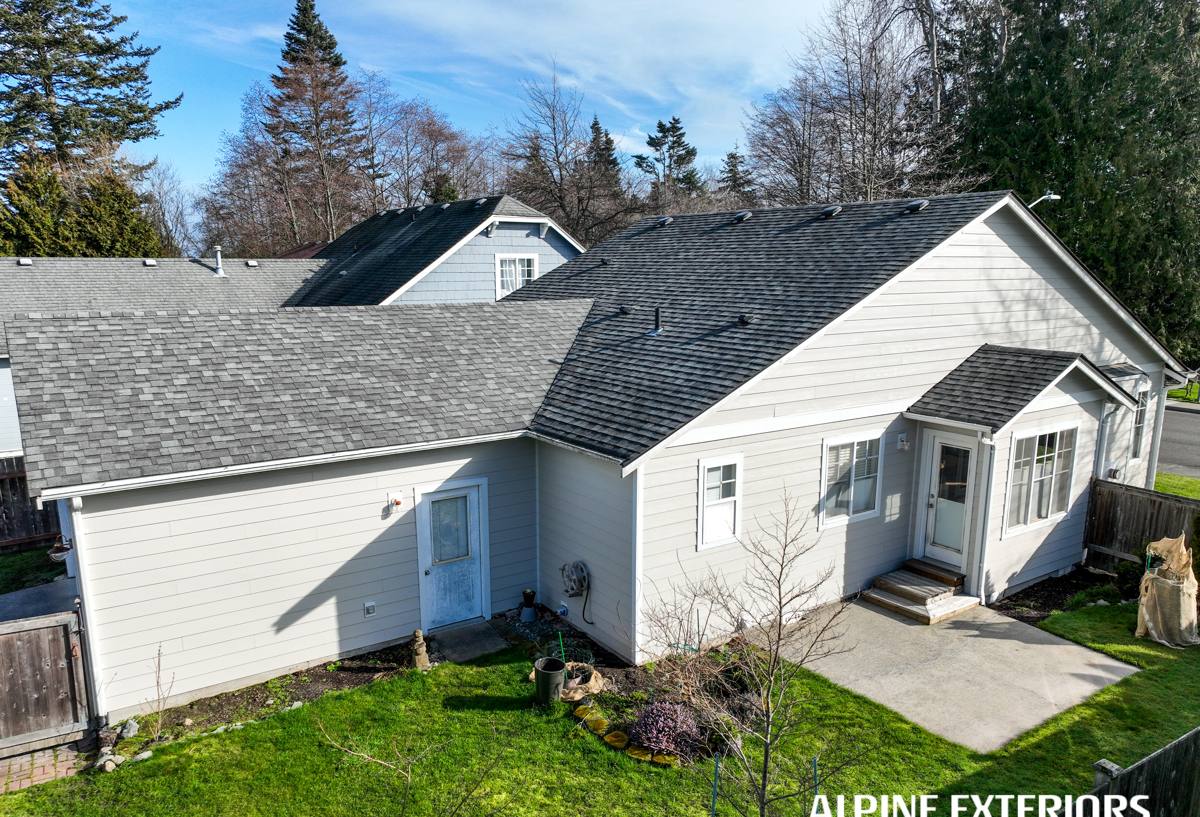
What Barrier Island Exposure Does to a Home's Exterior
Direct Wind Load
Without inland terrain, tree cover, or other buildings to break up incoming wind, Treasure Island homes see higher sustained speeds and gusts than the same storm produces a few miles inland. That matters for siding because wind doesn't just push against a wall — it gets underneath loose panels, works at fastener holes, and finds any gap in a joint or J-channel. A product and installation method that's marginal inland can be outright inadequate on an exposed barrier island lot.
Salt Saturation
Salt air is a fact of life anywhere near the Gulf, but on a barrier island it's heavier and more constant because there's saltwater on more than one side of nearly every property. Airborne salt accelerates corrosion on exposed metal fasteners, trim, and hardware, and it settles into coatings and finishes over years of exposure. It's not a dramatic, single-event kind of damage — it's cumulative, which is exactly why fastener choice and finish quality matter more here than in a lot of markets.
UV Intensity Off the Water
Open water reflects sunlight back up onto siding and trim in addition to the direct overhead exposure every Florida home gets, which means Gulf-facing and canal-facing walls on Treasure Island often take more cumulative UV than a comparable wall a few blocks inland. Lower-grade paints and coatings break down faster under that kind of load — chalking, fading, and pigment breakdown show up years earlier than the manufacturer's rated life would suggest.
Wind-Driven Rain and Flood-Zone Moisture
Most of Treasure Island sits in a flood zone, and a lot of the housing stock is built at or near grade with limited elevation, or raised on pilings with the living space well above grade. Either way, wind-driven rain during storms pushes water sideways into joints, fastener penetrations, and trim intersections that would stay dry in a calm rain event, and homes closer to grade see more splash-back and standing moisture at the lower courses of siding after heavy weather. That combination of humidity, salt, and periodic saturation is hard on any material that isn't engineered to shrug it off.
Why We Install Only James Hardie Fiber Cement
Given how common vinyl siding is at the beach, we get asked regularly why we don't offer it, or LP SmartSide, or other fiber cement brands like Cemplank or Allura. The honest answer is that we made a standardization decision based on what actually holds up under barrier island conditions, and we'd rather do one product exceptionally well than several products adequately.
Vinyl Siding
Vinyl is inexpensive, low-maintenance, and extremely common on Gulf Coast beach homes, and in mild conditions it does fine. But it's a hung product rather than a rigid, mechanically fastened one — that's part of how it's designed to expand and contract, but it's also what makes it more vulnerable to being torn loose in sustained high winds, which is a real consideration on a lot with nothing between it and open water. It can also soften and distort under prolonged intense heat, which barrier island siding gets plenty of.
Engineered Wood (LP SmartSide and Similar)
Engineered wood has a genuine track record, but it's a wood-fiber product at its core. In a climate where surfaces rarely get a chance to fully dry out between rain events and salt-laden humidity, any break in the factory edge seal — an unsealed field cut, a cracked fastener hole, a joint that opens over time — creates an entry point for moisture to wick into the wood core and swell it. That's a maintenance-sensitive product in a location where maintenance gaps get punished faster than most.
Other Fiber Cement Brands
Not all fiber cement is built the same. We standardized on James Hardie specifically because of its climate-engineered HZ product lines designed for high-humidity, high-moisture regions like ours, its factory-applied ColorPlus finish that resists the fading and chalking plain field-painted siding shows under this kind of sun and salt exposure, and the depth of its installation documentation and warranty backing. Fiber cement is also non-combustible, which matters to a lot of homeowners regardless of location.
Comparing Siding Options for a Treasure Island Home
| Factor | Vinyl | Engineered Wood | James Hardie Fiber Cement |
|---|---|---|---|
| Performance in direct, unbuffered wind | Can be torn loose in sustained high winds | Solid when properly fastened and sealed | Rigid, mechanically fastened, engineered for wind zones |
| Behavior under reflected water-surface UV | Can fade and become brittle over years | Factory finish varies by product | ColorPlus finish resists fading and chalking |
| Moisture and flood-zone humidity tolerance | Doesn't rot but traps humid air behind it | Wood-fiber core can swell if edge seal is compromised | Non-organic, doesn't swell or support rot |
| Heavy, constant salt air exposure | Generally stable, fasteners can corrode | Generally stable, fasteners can corrode | Generally stable, quality fastener specs matter |
| Combustibility | Can melt or deform in extreme heat | Combustible (wood-based) | Non-combustible |
How the Work Happens on Treasure Island
Every project starts with a walk of the exterior to see what's actually happening under the current siding, not just what's visible from the street or the canal side. On raised, piling-supported homes, that means checking how siding meets the elevated structure and how it's detailed around stairs, decks, and utility penetrations. On homes closer to grade, it means paying close attention to the bottom courses, where splash-back and periodic flooding do the most damage over time. We also check flashing at roof-to-wall transitions and around windows, since a lot of the water intrusion we find on barrier island homes traces back to those details rather than the siding field itself.
Once we know what we're working with, installation follows James Hardie's published fastening, clearance, and joint-treatment specifications closely. That's not optional detail work — it's the difference between fiber cement that performs for decades in this kind of exposure and fiber cement that develops the same problems as a poorly installed product. That includes correct clearance from grade, decks, and roof lines, fastener type and spacing suited to a high wind zone, and properly lapped, sealed joints and flashing at every penetration.
What a Typical Project Includes
- Exterior inspection and moisture check before any tear-off begins, including elevated and grade-level details specific to barrier island construction
- Removal of existing siding and inspection of the sheathing and framing underneath
- Repair or replacement of any damaged sheathing or framing found during tear-off
- Installation of a proper water-resistive barrier and correctly integrated flashing
- James Hardie plank, panel, or shingle siding installed to manufacturer spec and local wind code
- Trim, corner boards, and fascia work to match the chosen Hardie product line
- Final walkthrough covering caulking, paint touch-up needs, and ongoing care in a salt-air environment
Why a Local Crew Matters Here
Siding quality comes down to details that never show up in a drive-by look — how flashing is lapped, how much clearance is left at the lowest course, whether cut ends are sealed, whether fasteners are driven to the correct depth for the wind zone. A crew that works this part of Pinellas County regularly has already seen how those details hold up specifically on barrier island lots, under direct Gulf exposure, with heavier salt loads than a mainland home a few miles away. That experience matters more here because the margin for error is smaller — wind and salt find weaknesses on an exposed island lot faster than they would inland.
It also matters for permitting. Treasure Island and Pinellas County wind zone and flood zone requirements affect fastening schedules, product specifications, and sometimes elevation-related detailing, and a contractor who pulls permits in this area regularly knows what local inspectors actually require rather than applying a generic standard from somewhere else.
Roofing, Windows, and Decks Alongside Siding
On a barrier island, siding rarely fails on its own. We handle roofing, windows, and decks in addition to siding, because the moisture and wind problems we see usually involve more than one system at a time — a roof-to-wall flashing issue is a roofing and siding problem together, window flashing integration determines whether new siding stays dry around openings, and elevated decks on piling-supported homes have their own exposure to salt and sun that affects the structure siding ties into. When we quote a siding project on Treasure Island, we look at the whole exterior envelope, and we'll tell you plainly if something else needs attention first.
Signs Treasure Island Homeowners Should Watch For
- Paint that's chalking or fading unevenly, especially on Gulf-facing or canal-facing walls
- Soft or spongy spots when pressing on siding near windows, doors, or the lowest courses
- Visible gaps, warping, or buckling in siding panels, especially after storm season
- Rust streaks or corrosion around fasteners, trim, and hardware
- Musty odors or staining on interior walls that back up to exterior siding
- Siding that's noticeably aged with no documented replacement history, particularly on older beach cottages
None of these signs automatically mean full replacement is needed, but on a barrier island they're worth a professional look sooner rather than later — problems that would sit quietly for years inland tend to move faster out here.
What to Expect From an Estimate
An honest estimate starts with an inspection, not a sales pitch. We'll look at your current siding's condition, check for hidden moisture or structural issues around windows, doors, and grade level, talk through which James Hardie product line fits your home and its exposure, and give you a straightforward number. Cost varies with home size, elevation and access, existing condition, and how much trim and flashing work is involved, and we'll walk you through those factors specifically rather than leaving you guessing.
If you're on Treasure Island and thinking about siding, roofing, windows, or decks, we're happy to come take a look and give you a free, no-pressure estimate using the form below.