 Seminole Siding
 Asphalt Shingle Roofing Built for Belleair Beach's Coastal Exposure
Belleair Beach sits about as close to the Gulf as a Pinellas County home can get, and that barrier-island location changes what a roof has to survive. A shingle roof here doesn't just shed rain — it has to hold up under sustained salt air, direct year-round UV exposure, and the kind of wind-driven rain and gusts that come with every tropical system that brushes the coast. Homes just a few miles inland in Seminole deal with a milder version of the same conditions. On the beach, every one of those stresses is turned up.
We install and repair asphalt shingle roofing throughout Seminole and the surrounding Pinellas County coastline, and Belleair Beach is a community we work in regularly. That matters because the right shingle roof for a barrier-island home isn't automatically the same product or the same installation detail set you'd use ten miles inland. This page covers what a shingle roof needs to hold up here, what a correct installation actually includes, and how we approach the job.
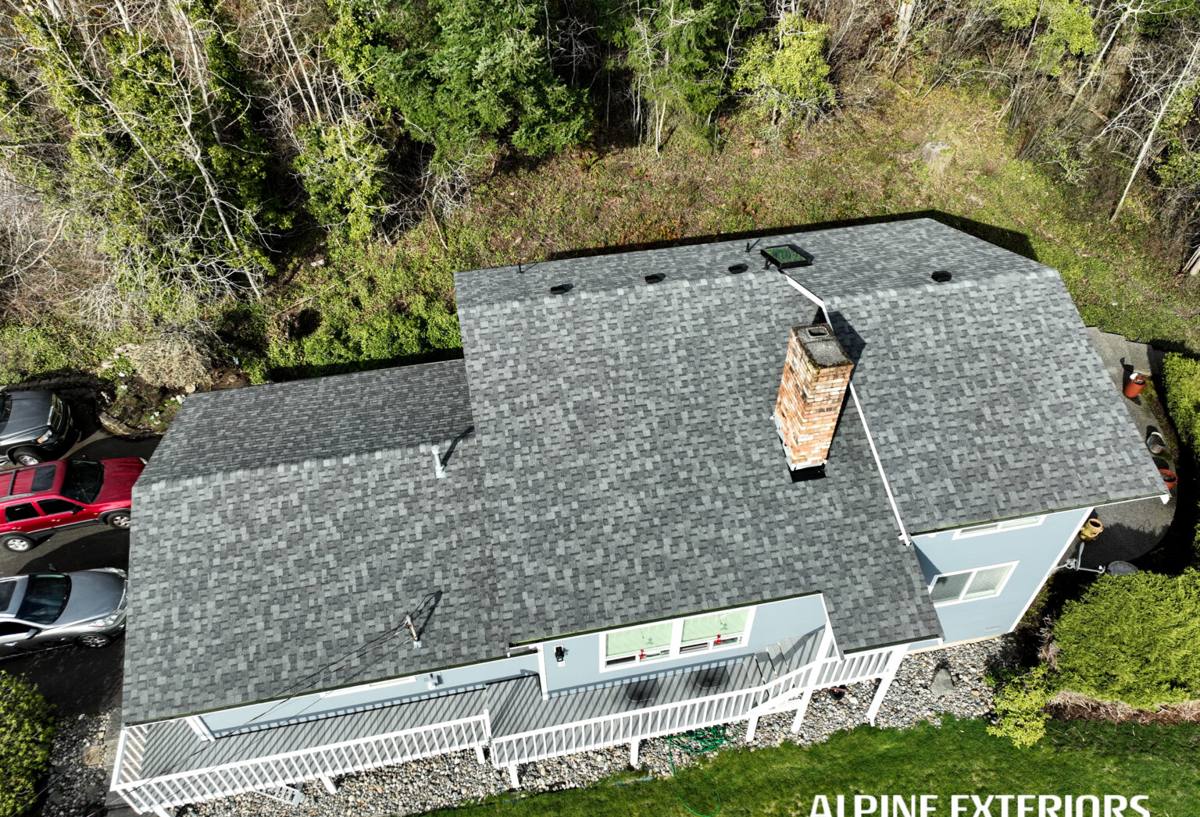
Why Belleair Beach Roofs Wear Differently
Salt Air and Metal Fasteners
Salt-laden air accelerates corrosion on any exposed metal — nail heads, flashing, drip edge, vent stacks. On a standard shingle roof, most fasteners are covered, but flashing details and exposed metal components are where salt exposure shows up first. Using corrosion-resistant fasteners and flashing metals, and making sure nothing is left exposed that doesn't need to be, is a bigger deal on the beach than it is a few miles inland.
UV Load
Florida sun is hard on asphalt shingles anywhere in the state, but a home with open water views and minimal tree canopy — common on barrier islands — gets fuller, more direct sun exposure across more of the roof for more of the day. That accelerates the natural drying and granule loss that eventually ages a shingle out. Shingle quality and proper attic ventilation both matter more when UV exposure is this consistent.
Wind-Driven Rain and Uplift
Pinellas County building code already requires wind-rated roofing assemblies, but Belleair Beach's direct Gulf exposure means the roof sees higher sustained wind loads and rain that gets driven sideways and up under shingle edges during a storm, not just straight down. That makes sealant strip adhesion, proper nailing, and edge/hip/ridge detailing especially important — those are the areas most likely to fail first when wind gets under a shingle.
Humidity and Moisture Cycling
Coastal humidity keeps roof decking and the underlayment system working through more frequent wet-dry cycles. A roofing system that manages moisture well — proper underlayment, ventilation, and flashing — holds up better through that cycling than one that was installed to the minimum spec.
What a Correctly Installed Shingle Roof Includes
A shingle roof is a system, not just a layer of shingles nailed to plywood. On a coastal property like Belleair Beach, skipping or shortcutting any of these layers is where premature failures start.
- Deck inspection and repair — any soft, delaminated, or water-damaged decking gets replaced before anything goes back on, not covered over.
- Underlayment — a synthetic or self-adhering underlayment appropriate for wind and moisture exposure, installed to code and manufacturer spec, not just stapled down as an afterthought.
- Drip edge and flashing — corrosion-resistant metal at all eaves, rakes, valleys, walls, and penetrations, properly integrated with the underlayment so water is directed out, not under.
- Wind-rated shingle installation — correct nail count and placement (not just "enough nails somewhere in the strip"), proper sealant strip activation, and starter strip detail at eaves and rakes.
- Ventilation — balanced intake and exhaust so the attic isn't trapping heat and moisture under the deck, which shortens shingle life from underneath.
- Penetration and vent sealing — every pipe boot, vent, and roof penetration properly flashed and sealed, since these are common leak points on any roof, coastal or not.
Choosing a Shingle Product for This Location
We favor architectural (laminated) asphalt shingles with a documented high-wind rating for coastal Pinellas County installs. Three-tab shingles are lighter-duty and generally not what we'd recommend for a property with this level of wind and UV exposure — not because the product is unusable everywhere, but because it doesn't hold up as well against sustained coastal conditions, and the maintenance and replacement cycle ends up costing more over time. That's a judgment call based on durability and long-term value, not a knock on any manufacturer.
| Factor | Standard 3-Tab | Architectural (Laminated) |
|---|---|---|
| Wind rating (typical) | Lower rated | Higher rated options available |
| Weight/thickness | Lighter | Heavier, more rigid profile |
| UV wear pattern | Uniform granule loss over time | Multi-layer construction resists wear longer |
| Warranty structure | Typically shorter | Typically longer, often with wind riders available |
| Coastal fit | Workable inland, less ideal on the beach | Better suited to sustained coastal wind and UV exposure |
Whatever shingle line a homeowner chooses, we install it to the manufacturer's specified nailing pattern and wind-rating requirements — that's what keeps the manufacturer's warranty valid and what actually determines how the roof performs in wind, more than the shingle brand alone.
Repair, Replacement, or Roof-Over: How We Decide
Not every shingle roof problem on a Belleair Beach home means a full replacement. We look at the age of the roof, the condition of the decking, how much wind or storm damage is localized versus widespread, and whether the underlayment and flashing are still doing their job. A roof with isolated wind damage or a failed flashing detail can often be repaired properly rather than replaced. A roof nearing the end of its service life, or one where the decking has taken on water damage, usually makes more sense to replace outright — patching a roof that's structurally compromised underneath doesn't hold up long in this environment.
We don't recommend shingle roof-overs (installing new shingles directly over an existing layer) on coastal properties. It skips the deck inspection and underlayment replacement that this climate demands, and it hides problems instead of fixing them.
Signs a Belleair Beach Roof Needs Attention
- Missing, cracked, or curling shingles, especially after a windstorm
- Granules collecting in gutters or at downspouts
- Visible daylight or water stains in the attic near roof penetrations
- Soft spots underfoot or visible sagging along the roofline
- Lifted or separated flashing around chimneys, walls, or vents
- Shingles noticeably faded or brittle compared to the rest of the roof
Our Process for a Belleair Beach Roofing Job
Inspection and Estimate
We start with a full roof and attic inspection — deck condition, ventilation, flashing, and the current shingle system's actual condition, not just a look from the ground. From there we give a written estimate that spells out exactly what's included: materials, underlayment, flashing work, and labor.
Permitting
Reroofing work in Pinellas County requires a permit, and on a barrier-island property like Belleair Beach, that permit process also confirms the installation meets current wind-rating requirements for the location. We handle that paperwork as part of the job.
Installation
Tear-off down to the deck, deck repair as needed, underlayment, flashing, and shingle installation to manufacturer and code spec. We keep the property protected and the site cleaned up as we go — magnetic sweeps for nails and debris removal are part of the job, not an add-on.
Final Walkthrough
Before we consider a job finished, we walk the property with the homeowner, review the completed work, and make sure ventilation, flashing, and edge details all look right.
Why Local Experience on Belleair Beach Matters
A contractor who mainly works inland neighborhoods and treats a Belleair Beach roof the same way is missing the point. The wind ratings, flashing choices, and fastener corrosion resistance that make sense for a home a few miles inland aren't automatically enough for a property sitting directly on the Gulf. Working this stretch of Pinellas County regularly means knowing which details actually matter here — where salt air causes the earliest wear, how the permitting process works for this jurisdiction, and what installation practices hold up through a real storm season rather than just looking fine on a calm day.
It also means being straightforward about cost. Coastal-grade materials and the extra flashing and fastener attention a barrier-island home needs do add cost over a bare-minimum inland installation — but that difference is what keeps the roof performing through the conditions Belleair Beach actually sees, rather than needing early repairs.
Get a Straightforward Estimate
If you're dealing with an aging shingle roof, storm damage, or you're just planning ahead for a Belleair Beach property, we're happy to take a look and give you an honest assessment — no pressure, no hard sell. Fill out the form below for a free estimate.