 Seminole Siding
 Building Decks for Belleair Bluffs' Waterfront Conditions
Belleair Bluffs sits up on the higher ground along Clearwater Harbor and the Intracoastal Waterway, which gives a lot of homes here something most of Pinellas County doesn't get: a real water view and a breeze off the harbor almost year-round. It's also exactly why a deck built here needs more thought than a standard backyard deck. That elevation and water exposure mean more direct sun, steadier salt-laden wind, and a front-row seat when a tropical system rolls through. A deck that looks fine the day it's finished can start showing problems within a year or two if the materials and fasteners underneath weren't chosen for this specific environment.
We build custom decks throughout Belleair Bluffs and the surrounding Seminole area, and the approach we take here is different from what we'd spec for an inland yard forty minutes away. This page covers what actually matters for a deck in this location — what the climate does to decking over time, what a correctly built structure looks like below the surface, and how we handle the project from first visit to final walkthrough.
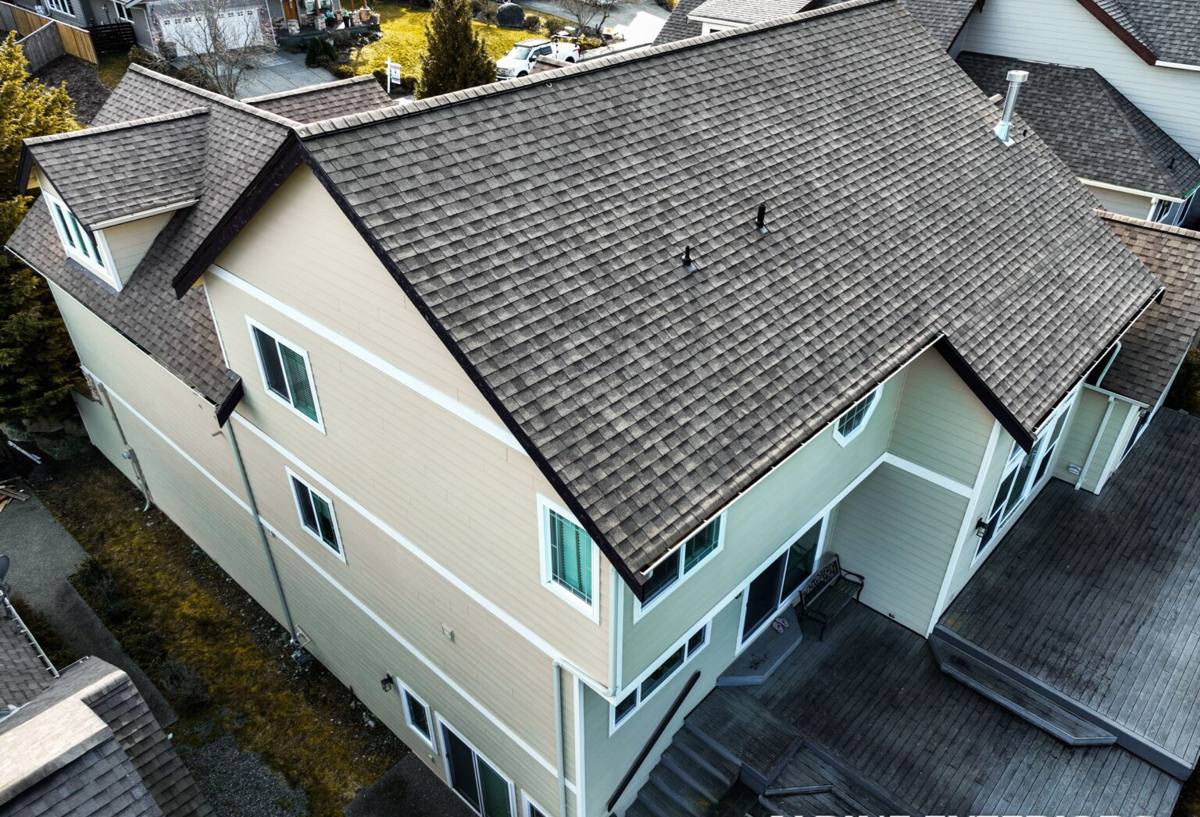
What This Climate Does to a Deck
Sun and UV
Florida sun is intense enough on its own, but a deck near open water gets extra UV bounce off the water surface in addition to direct overhead exposure. Over a few seasons, that breaks down cheaper composite boards (fading and surface chalking), dries out and cracks untreated or poorly sealed wood, and can make dark-colored decking uncomfortably hot to walk on barefoot.
Salt Air and Corrosion
Being close to the harbor means the air carries salt even when you're not right on the water. Salt accelerates corrosion in any metal fastener, bracket, or connector that isn't rated for it. This is one of the most common failure points we see on decks built with standard hardware-store hardware — the boards look fine, but the fasteners holding the frame together are rusting from the inside.
Wind-Driven Rain
Pinellas County sits in a high-wind design zone under the Florida Building Code, and Belleair Bluffs' exposure to open water can mean stronger sustained wind than a few miles inland. Wind doesn't just push on a deck structure — it drives rain sideways and underneath boards, into ledger connections, post bases, and anywhere water shouldn't be sitting. A deck that isn't detailed for wind-driven rain will trap moisture in places you can't see until rot or corrosion is already established.
Humidity and Moisture Cycling
Even on dry days, humidity here stays high. Decking material expands and contracts with moisture and heat far more than in a drier climate, which is why fastening methods and gap spacing matter more here than the national average install guide usually accounts for.
Choosing the Right Decking Material
There's no single "best" decking material for every home — it depends on budget, how the deck will be used, and how much upkeep the owner wants to take on. Here's how the common options actually perform in a Belleair Bluffs setting:
| Material | Upfront Cost | Upkeep in This Climate | Notes |
|---|---|---|---|
| Pressure-treated wood | Lowest | High — needs re-sealing every 1-2 years near water | Prone to graying, splitting, and fastener corrosion if hardware isn't matched to the treatment chemical |
| Capped composite | Mid-high | Low — occasional wash | Cap layer resists salt and UV fading far better than uncapped composite; quality varies a lot by brand |
| Uncapped composite | Mid | Moderate | Can absorb moisture at cut edges and fade faster under coastal UV exposure; we're selective about where we recommend it here |
| PVC decking | Highest | Lowest | Fully synthetic, doesn't absorb moisture, handles salt air well; runs hotter underfoot in direct sun |
| Tropical hardwood (ipe, etc.) | High | Moderate-high | Naturally dense and rot-resistant but needs periodic oiling to hold color; heavier, requires stronger framing |
Our default recommendation for a deck exposed to harbor air is a quality capped composite or PVC board with stainless or coated fasteners rated for coastal use. We'll walk through the real trade-offs for your specific site and how you plan to use the space rather than pushing one product line.
What a Correctly Built Deck Actually Involves
The decking boards get all the attention, but the structure underneath is what determines whether the deck holds up through storm seasons. A deck built correctly for this area includes:
- Ledger board attachment with proper flashing and through-bolting into structural framing, not just lag screws into siding
- Footings sized and set to local frost-free depth and soil-bearing requirements, not just poured to "look deep enough"
- Corrosion-resistant structural connectors and fasteners rated for treated lumber and coastal exposure — mismatched metals accelerate corrosion
- Joist spacing tightened to match the specific decking product's span rating, especially for composite and PVC boards
- Proper board gapping that accounts for Florida's humidity swings, so boards don't buckle or gap excessively season to season
- Railing systems built to current code height and baluster-spacing requirements, secured to structural blocking rather than just face-screwed to rim boards
- Drainage detailing so water sheds away from the house and footings instead of pooling under the deck
Skipping or shortcutting any one of these doesn't usually show up on day one. It shows up two or three years later as a soft spot, a rusted bracket, or a railing that's gone wobbly — right around the time a homeowner assumes the deck should still be "new."
Permits and Code in Belleair Bluffs
Most custom decks in this area require a building permit, and inspections at the footing and framing stages before decking goes down. Belleair Bluffs falls under Pinellas County's high-wind design requirements, which affect how connections, railings, and attachment points are engineered — this isn't optional paperwork, it's the difference between a deck that's built to hold up in a real storm and one that just looks finished. We handle the permitting and inspection scheduling as part of the job so you're not the one chasing down approvals.
Our Process for a Custom Deck Project
1. On-Site Assessment
We walk the property, look at drainage patterns, existing structure (if you're replacing an old deck), sun exposure, and how close you are to open water or prevailing wind. This shapes both the design and the material recommendation.
2. Design and Material Selection
We go over layout, decking material, railing style, and any add-ons (stairs, built-in seating, shade structures) along with honest cost and maintenance trade-offs for each option.
3. Permitting
We prepare and submit the permit package and schedule the required inspections with the county.
4. Construction
Footings and framing go in first and get inspected before decking is installed. We don't cover up structural work before it's been signed off.
5. Final Walkthrough
We go over the finished deck with you, cover basic care for the material you chose, and make sure everything is solid before we call it done.
Maintaining a Deck in a Harbor-Adjacent Climate
- Rinse salt residue and debris off boards and between gaps every few weeks, more often after storms
- Check railing posts and stair connections for looseness at least twice a year
- Inspect under-deck framing and fasteners annually for rust or moisture staining
- Reseal wood decking on the manufacturer's recommended schedule — don't wait until it looks gray and dry
- Keep gutters and downspouts clear so runoff isn't dumping extra water onto or under the deck
- After any named storm, do a quick visual check of railings, stairs, and footing areas before regular use resumes
Why Local Experience Matters Here
A deck built by a crew that hasn't worked this specific stretch of Pinellas County will often default to generic, inland-standard specs — because that's what most national decking guidance assumes. We work in Seminole and the surrounding communities, including Belleair Bluffs, regularly enough to know which fastener grades hold up near the harbor, which decking products actually perform under this UV load instead of just being rated for it on paper, and what the local permitting office expects to see in a submission. That local repetition is what keeps a deck from becoming a maintenance problem two summers after it's built.
If you're planning a new deck, replacing an aging one, or just want an honest read on whether your current deck is holding up the way it should, we're glad to take a look. Request a free, no-pressure estimate using the form below and we'll walk the site with you and talk through real options for your home.