 Seminole Siding
 Why Storms Hit Belleair Bluffs Roofs Harder Than People Expect
Belleair Bluffs sits close to the water along Pinellas County's central Gulf Coast, and that location cuts both ways. The same open exposure that gives the area its views also means roofs here take a more direct hit from tropical weather than homes further inland. Hurricane-force gusts don't need a direct hit from a named storm to cause damage — a strong afternoon squall line or a tropical system passing well offshore can still push wind speeds high enough to lift shingle edges, work tiles loose, and drive rain sideways under flashing that would otherwise stay dry in a normal downpour.
On top of the wind, this stretch of Florida gets some of the most intense, consistent UV exposure in the country, nearly year-round. That constant sun bakes the oils out of asphalt shingles and dries out sealant strips faster than in most of the country, which means roofing materials here age on a shorter clock than the manufacturer's national warranty numbers assume. Add in salt-laden air moving in off Clearwater Harbor and the Intracoastal, and you've got a slow, steady corrosion process working on nail heads, flashing, and metal roof vents even between storms.
None of this means every roof in Belleair Bluffs is in bad shape. It means storm damage here rarely shows up as one dramatic event — it's usually wind, sun, and salt air compounding on each other, and then a storm exposes the weak point that's been building for a while.
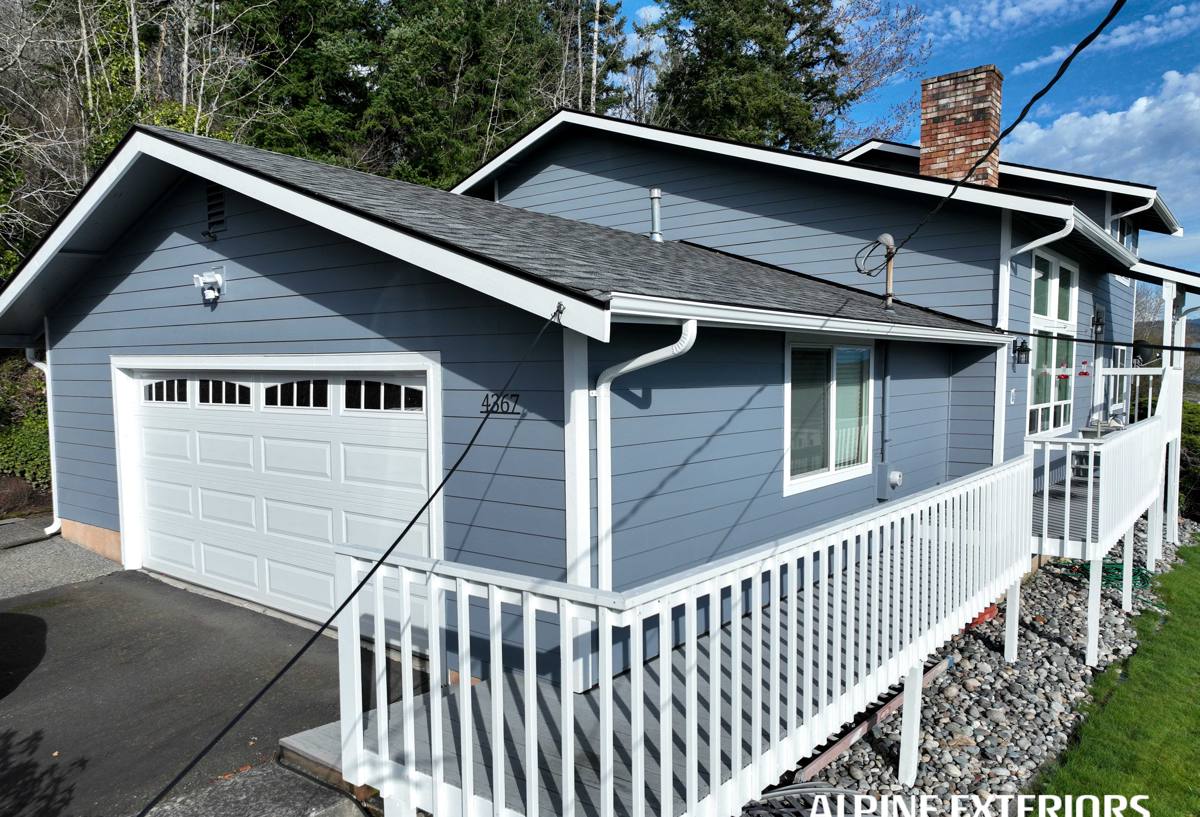
Common Types of Storm Damage We Find on Local Roofs
Wind and Impact Damage
Sustained coastal wind works shingles and tiles loose at the edges first — ridgelines, rakes, and eaves take the brunt of it. We regularly find shingles that are cracked, creased, or torn but still nailed in place, which can look fine from the ground while leaving the roof deck exposed underneath. Wind-driven debris, even small branches or gravel from a neighboring roof, can also crack tile or knock granules loose in a way that isn't obvious until you're up close.
Water Intrusion
Wind-driven rain in this part of Florida doesn't fall straight down — during a storm it comes in nearly horizontal, which means it finds gaps that vertical rain never would. Flashing around chimneys, skylights, roof valleys, and plumbing vents is where we see the most leaks after a storm, because a small gap or a sealant that's dried out from UV exposure lets water track sideways and travel a surprising distance before it shows up as a stain on a ceiling.
Signs You May Have Storm Damage (Even If Nothing Looks Wrong From the Ground)
A lot of storm damage isn't visible from your driveway. These are the signs worth checking after any significant wind or rain event:
- Granules collecting in gutters or at downspout outlets, especially after a storm
- Shingle edges that look curled, lifted, or slightly out of line with the row next to them
- Cracked, slipped, or missing roof tiles, particularly near ridges and hips
- Ceiling stains, discoloration, or soft spots anywhere below the roof line
- A musty smell or visible daylight when you look up into the attic
- Loose, dented, or missing ridge caps and flashing pieces
- Debris — leaves, sticks, shingle fragments — caught in valleys or against vents
- A noticeable jump in cooling costs, which can point to attic moisture or lost insulation value
If you notice any of these after a storm, it's worth getting a roof looked at before the next round of weather rather than waiting for a leak to show up inside the house.
What a Correct Storm Damage Repair Actually Involves
The visible damage — a missing shingle, a cracked tile — is usually the easy part to spot. The part that separates a repair that lasts from one that fails again in the next storm is what happens underneath it. A proper repair means checking the roof deck for soft or delaminated spots, confirming the underlayment is still intact and sealed around the repair area, and making sure flashing is replaced rather than just re-caulked over. Caulk and sealant are meant to back up good flashing work, not substitute for it — sealant alone breaks down under Florida sun faster than most homeowners expect, and a repair that leans on it too heavily is one that needs redoing within a couple of seasons.
We also match materials as closely as possible to what's already on the roof — color, profile, and where relevant, wind rating — so a repair doesn't create a visible patchwork or a weak seam where old and new materials meet. A repair section that isn't properly tied into the surrounding roofing can actually become the next failure point in a future storm.
Our Storm Damage Repair Process
- Inspection and documentation. We get on the roof (not just a ground-level look) and document the actual extent of damage, including areas that aren't obvious from below.
- Temporary protection if needed. If there's active exposure to weather, we can tarp or seal vulnerable areas to stop further water intrusion while the repair is scheduled.
- Written scope and estimate. You get a clear breakdown of what's damaged, what needs repair versus what's still sound, and what it costs — no vague line items.
- Repair work. Deck, underlayment, flashing, and roofing material are addressed as a system, not just patched at the surface.
- Final walkthrough. We go over the completed repair with you so you know exactly what was done and what to watch for going forward.
Repair or Replace? What Actually Decides It
Not every storm-damaged roof needs full replacement, and not every roof that "just needs a repair" is actually a good candidate for one. The honest answer depends on a handful of factors working together, not any single one of them.
| Factor | Leans Toward Repair | Leans Toward Replacement |
|---|---|---|
| Roof age | Under 10–12 years, materials still flexible | Nearing or past its expected service life |
| Extent of damage | Isolated to one section or a few spots | Spread across multiple roof planes |
| Decking condition | Solid, no rot or soft spots found | Soft, delaminated, or water-stained decking |
| Prior repair history | Well-maintained, few past patches | Multiple past repairs stacking up |
| Material availability | Matching materials still obtainable | Discontinued profile or color, no good match |
We'll tell you plainly if a repair is the right call even when a replacement would be the bigger job for us — a roof that's basically sound doesn't need to be torn off just because part of it took storm damage.
Materials and Methods Built for This Climate
What we install and how we install it is built around the reality of Pinellas County weather, not just what's cheapest to put up. That means corrosion-resistant fasteners rather than standard galvanized ones, since salt air will work through basic coatings faster here than in most parts of the country. It means synthetic underlayment in most cases, which holds up better to prolonged moisture exposure than older felt products if a shingle layer gets compromised in a storm before a repair can happen. It means flashing metals that are compatible with each other and with the roofing material, since mixing incompatible metals can set up galvanic corrosion that eats through flashing from the inside over a few years — a slow failure that's easy to miss until it leaks.
We also pay attention to attic ventilation as part of storm damage repairs, not as an upsell. A roof deck that's trapping heat and moisture underneath is more prone to deterioration, which makes it more vulnerable the next time wind and rain test it. Fixing the visible storm damage while ignoring a ventilation problem underneath it is a repair that doesn't hold up as long as it should.
Insurance Documentation: What Actually Helps Your Claim
We're not an insurance company and we don't make promises about what an adjuster will or won't approve. What we can do is document damage thoroughly and promptly, which matters because insurers distinguish between storm damage and ordinary wear-and-tear, and that distinction often comes down to documentation and timing. Photographing damage as soon as it's safe to do so, keeping records of any temporary repairs (like tarping) done to prevent further loss, and having a written, itemized scope of the actual damage all put you in a stronger position regardless of which carrier you're working with. If you're filing a claim, we're glad to provide the inspection findings and documentation you'll need — we just won't tell you what to expect from your insurer, since that's outside what we can honestly speak to.
Why a Crew That Already Works Belleair Bluffs Matters
Storm damage repair isn't a one-size-fits-all job, and a contractor who's worked roofs across Pinellas County knows the difference between what a roof in a more sheltered inland neighborhood needs and what holds up on a more exposed coastal property like the ones around Belleair Bluffs. That includes knowing which flashing details tend to fail first in this specific wind and salt exposure, what local permitting requires for roof repair work, and how quickly a small leak can turn into a bigger problem in a climate this humid if it's not addressed. Being based nearby in Seminole also means a faster response after a storm, when a lot of roofing companies from further away are stretched thin across a wider area and slower to get to smaller repair jobs.
After the Repair: Keeping Your Roof Ready for the Next Storm
A good repair buys you time, but a little maintenance keeps that repair — and the rest of the roof — performing the way it should. A few habits go a long way in this climate:
- Clean gutters and downspouts regularly so water doesn't back up under the roof edge during heavy rain
- Have the roof visually checked before hurricane season each year, not just after damage is suspected
- Trim back tree limbs that overhang the roof to reduce debris and impact risk during wind events
- Address small issues — a lifted shingle corner, a soft caulk line — while they're still small repairs
- Keep an eye on attic ventilation and insulation, since both affect how well the roof handles heat and moisture over time
If you're dealing with storm damage in Belleair Bluffs, or you just want an honest read on whether your roof is holding up the way it should, we're glad to take a look. Reach out for a free, no-pressure estimate using the form below.