 Seminole Siding
 Belleair's Climate Is Harder on Siding Than Most Homeowners Realize
Belleair sits in one of the more exposed pockets of Pinellas County, close enough to open water that salt-laden air reaches homes well inland of the immediate coastline. Add in the sun exposure that comes with a Florida latitude, the wind-driven rain that arrives with almost every summer storm, and the occasional direct hit from a hurricane-strength system, and you have a set of conditions that will find every weakness in a siding system within a few years. Siding here isn't just cosmetic — it's the first line of defense between your home's structure and a climate that works against it twelve months a year.
Homeowners who moved from other parts of the country are often surprised at how fast siding ages in this environment compared to where they came from. A product that might last decades with minimal issues in a dry, mild climate can show cracking, fading, or moisture damage in a fraction of that time here. That's the backdrop for every recommendation in this page: we're not describing generic siding advice, we're describing what actually holds up under Pinellas County conditions.
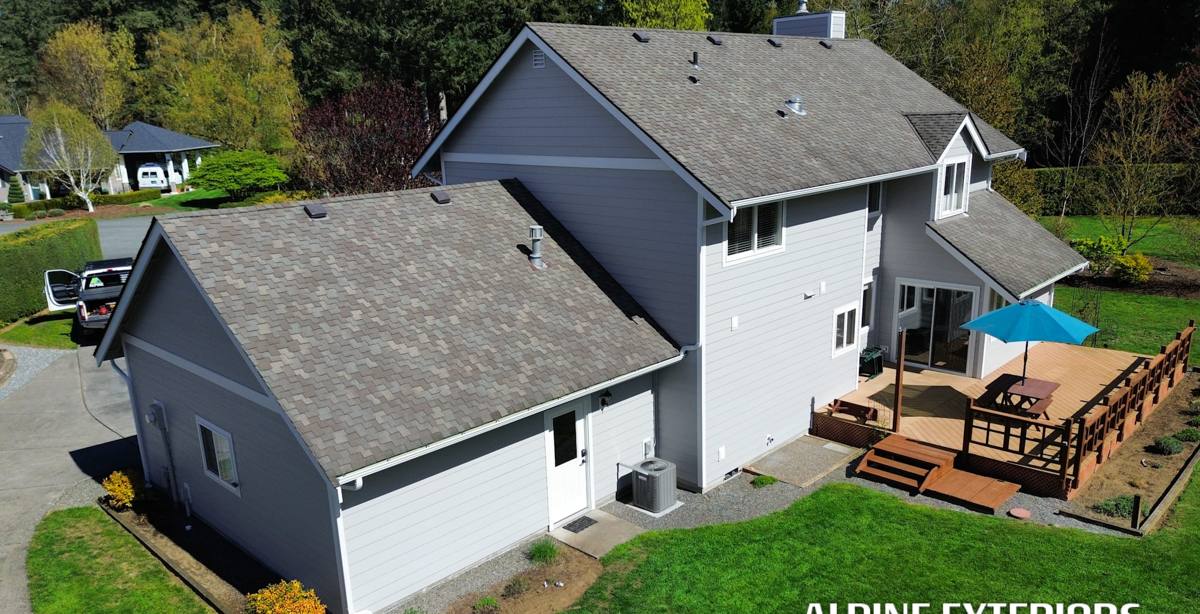
How Hurricane Wind, UV, and Salt Air Attack a Siding System
Wind Load and Wind-Driven Rain
Sustained coastal winds put constant flex and uplift pressure on siding panels and their fasteners. During tropical systems, that pressure spikes, and wind-driven rain gets pushed sideways and even upward into seams, laps, and trim joints that were never designed to handle water moving in that direction. A siding system that isn't fastened and flashed correctly for wind exposure won't fail gradually — it fails fast, in one storm.
Year-Round UV Exposure
Florida's sun angle and day length mean siding gets far more cumulative UV exposure per year than siding in most of the country. UV breaks down pigments and the resins that hold some siding materials together, which is why fading, chalking, and surface degradation show up so much sooner here than in siding manufacturer marketing photos taken elsewhere.
Salt Air Corrosion
Salt in the air doesn't just affect homes directly on the water. It travels on the wind and settles on siding, trim, and especially fasteners and metal flashing across a wide radius. Over time it accelerates corrosion in any component not rated for coastal exposure, which is why fastener and flashing selection matters as much as the siding panel itself.
Signs a Belleair Home Needs Siding Replacement, Not Just Repair
Not every siding problem calls for a full replacement, but in this climate, small issues escalate quickly if the underlying material or installation has already been compromised. Watch for:
- Soft, spongy, or crumbling spots when you press on the siding, especially near the bottom courses and around windows and doors
- Visible cracking, buckling, or warping along panel edges or seams
- Paint or finish that's chalking heavily, fading unevenly, or peeling in sheets rather than wearing gradually
- Persistent staining, streaking, or a musty smell near exterior walls that suggests moisture is getting behind the siding
- Nail pops, gaps at seams, or trim separating from the wall — all signs the fastening system has failed under wind stress
- Visible mold or mildew growth that returns quickly after cleaning
If you're seeing more than one of these at once, it's usually a sign of a systemic problem — either the original material wasn't suited to this climate, or the installation didn't account for it. Patching individual boards rarely solves that; the whole wall assembly needs a fresh start.
What a Correct Siding Replacement Actually Involves
A siding replacement is really a wall assembly project, not just a panel swap. Doing it right in a wind- and moisture-exposed area like Belleair means paying attention to layers most homeowners never see once the job is finished.
Tear-Off and Substrate Inspection
Removing the old siding is also the only chance to inspect the sheathing underneath for rot, delamination, or prior water damage. Skipping this step and installing new siding over a compromised substrate just hides the problem — it doesn't fix it.
Water-Resistive Barrier and Flashing
A continuous, properly lapped water-resistive barrier, combined with correct flashing at windows, doors, and every roof-to-wall or deck-to-wall intersection, is what actually keeps wind-driven rain out. This layer matters more than the siding brand — it's the difference between water shedding away from the house and water finding its way into the wall cavity.
Fastening for Wind Exposure
Fastener type, spacing, and penetration depth all need to match the wind exposure category for the property, not a generic minimum. Under-fastened siding is one of the most common causes of storm damage we see, and it's invisible from the ground until wind gets under a panel and starts peeling it.
Sealing and Trim Detail
Every cut edge, penetration, and trim joint needs to be sealed and finished correctly, especially on fiber cement products where factory-primed or factory-finished edges are part of the product's long-term performance. Field-cut edges that aren't properly treated become the first place moisture gets in.
Why We Install Only James Hardie Fiber Cement
We made a deliberate decision to install James Hardie fiber cement siding exclusively, and not vinyl, LP SmartSide, or other engineered wood products. Vinyl siding is affordable and low-maintenance, but it's a thin plastic product that can soften and deform in extreme heat and is more vulnerable to cracking under wind-driven debris impact — a real consideration during storm season. Engineered wood products like LP SmartSide use a wood-strand core that, however well-treated, still relies on maintaining an intact protective coating to keep moisture out over the long run; in a climate this wet and humid, that margin for error is thinner than we're comfortable with.
James Hardie fiber cement is cement, sand, and cellulose fiber — it doesn't have an organic wood core to rot, it's non-combustible, and it holds paint and factory-applied ColorPlus finishes far longer under intense UV than vinyl or wood-based products typically do. Hardie also engineers specific product lines, including HZ5 formulations, for high-humidity, high-moisture climate zones like ours. That combination of durability, fire resistance, and a manufacturer warranty built around real climate performance is why it's the only product we put on homes.
How Siding Materials Compare for Belleair's Conditions
| Factor | James Hardie Fiber Cement | Vinyl Siding | Engineered Wood (e.g. LP SmartSide) |
|---|---|---|---|
| Wind and impact resistance | High — rigid, holds up to wind-driven debris | Moderate — can crack or blow off in high wind | Moderate — dependent on installation and coating |
| Moisture and rot risk | Very low — no wood core | Low, but traps moisture behind panels if not vented properly | Moderate — wood-strand core vulnerable if coating fails |
| UV and color fade resistance | Strong — factory ColorPlus finish | Moderate — fades and chalks over time | Moderate — depends on paint maintenance |
| Salt air / corrosion behavior | Stable material; fastener selection matters | Stable material; hardware can corrode | Coating and fasteners both vulnerable |
| Fire resistance | Non-combustible | Combustible plastic | Combustible wood-based |
| Typical maintenance | Low — occasional wash, repaint on much longer cycle | Low — occasional wash | Higher — coating upkeep is critical |
Our Process for a Belleair Siding Replacement
The steps below are the same for every home, but the specific product line, fastening schedule, and flashing details get adjusted based on the property's exposure and the condition we find once tear-off starts.
- On-site assessment: We walk the exterior, check for moisture and substrate issues where visible, and talk through what you're seeing and what's driving the replacement.
- Product and color selection: We help you pick the right James Hardie profile and ColorPlus color for your home's style and HOA or neighborhood expectations, where applicable.
- Written estimate and scope: You get a clear, itemized scope before any work begins — no vague allowances.
- Permitting: Siding replacement in Pinellas County typically requires a permit; we handle that process rather than leaving it to the homeowner.
- Tear-off and substrate check: Old siding comes off, and we inspect and repair sheathing before anything new goes up.
- Water-resistive barrier, flashing, and installation: Barrier, flashing, and Hardie panels go on to manufacturer specifications, adjusted for wind exposure.
- Final walkthrough and cleanup: We inspect the finished work with you and clear the site of debris and old materials.
Why a Crew That Already Works Belleair Matters
Siding installation isn't one-size-fits-all across Florida, let alone across the country. A crew that regularly works in and around Belleair already understands the wind exposure categories that apply locally, how Pinellas County's permitting and inspection process actually runs in practice, and what kind of flashing and fastening detail holds up against the specific mix of sun, salt, and storm pressure this area sees. That's different from general contracting experience picked up somewhere with a milder climate.
There's also a practical side to hiring local: a crew based nearby can respond faster if a storm-related issue comes up after installation, knows local material suppliers and lead times, and has a reputation in the community that they have to stand behind. When you're trusting a contractor with your home's exterior in a place where the weather doesn't give you much room for error, that local track record is worth something.
What Affects the Cost of a Belleair Siding Replacement
We don't publish flat prices because siding replacement cost depends on real, project-specific variables. The main factors we walk through with every homeowner are:
- Total square footage of siding and the complexity of the home's shape (corners, dormers, multiple stories)
- Condition of the existing substrate and how much repair is needed before new siding goes on
- Which James Hardie product line and profile you select, and whether you choose factory ColorPlus finish or field paint
- Amount of trim, soffit, and fascia work bundled into the project
- Accessibility of the home, including landscaping, fencing, or tight side yards that affect labor time
- Permitting requirements and any HOA-driven material or color restrictions
An accurate number only comes from an in-person assessment — anything quoted sight-unseen is a guess.
Caring for Hardie Siding After Installation
One advantage of switching to James Hardie in this climate is how little ongoing maintenance it demands compared to what most Belleair homeowners are used to. A periodic gentle wash to remove salt residue and airborne grit keeps the ColorPlus finish looking right, and keeping an eye on caulking at trim joints over the years catches small issues before they become bigger ones. Beyond that, there's no repainting cycle to plan around the way there is with wood-based products, and no risk of the material itself absorbing moisture and rotting from the inside out.
If your Belleair home's siding is showing its age or you're planning ahead of the next storm season, we're happy to take a look and walk you through what we find — no pressure, no obligation. Use the form below to request a free estimate.