 Seminole Siding
 Why Belleair Windows Wear Out Faster Than People Expect
Belleair sits close enough to open water that its homes take a different kind of beating than houses even a few miles inland. The combination that matters here is specific: salt-laden air that corrodes hardware and seals, intense year-round UV that breaks down vinyl and glazing compounds, wind-driven rain that finds every gap in old flashing, and the real possibility of hurricane-force wind loading during storm season. No single factor is unusual on its own — it's all four working on the same window, every day, for years — that shortens the useful life of windows here compared to more sheltered parts of Pinellas County.
We replace windows across Seminole and the surrounding coastal communities, and Belleair jobs consistently show the same pattern: frames and seals that look fine from the curb but have already failed where you can't see them — inside the sash channels, behind the trim, and at the corners where sealant has quietly cracked away from sun exposure. Catching that early is cheaper than waiting for a leak.
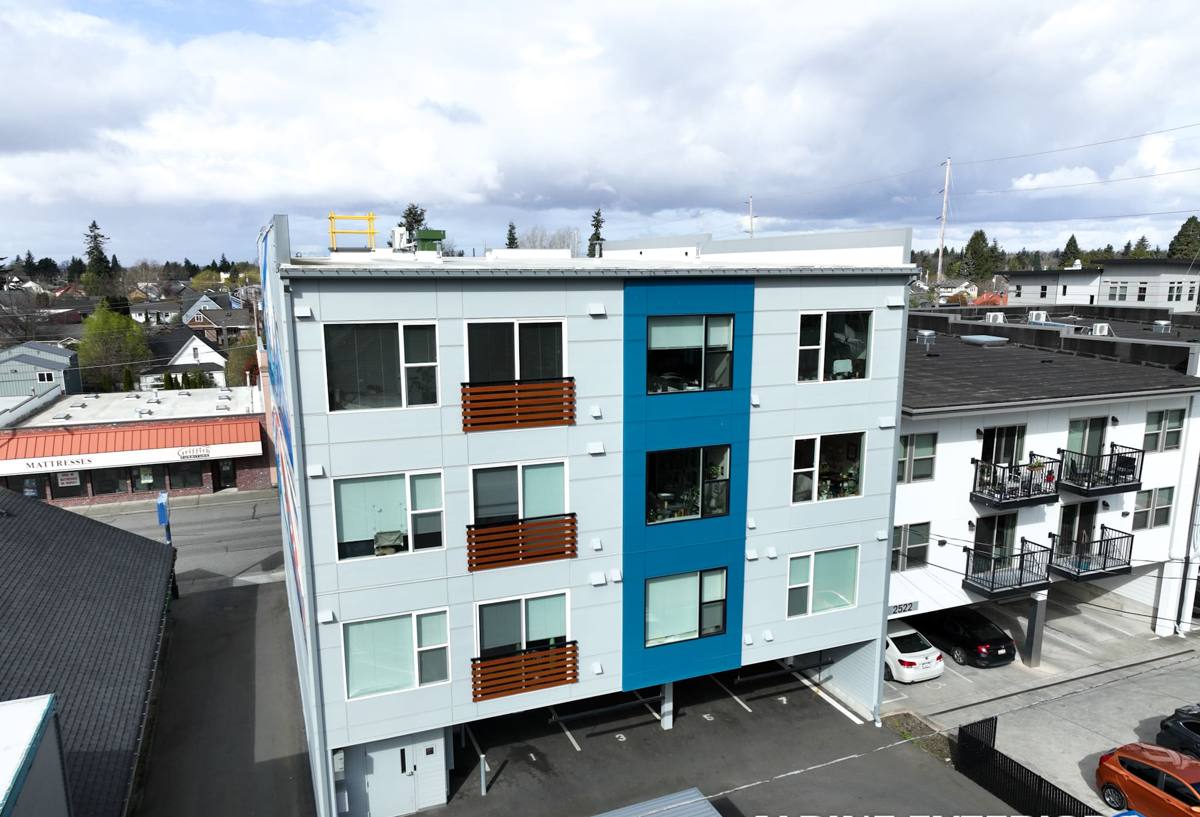
Signs a Belleair Home Actually Needs Window Replacement
Not every old window needs to go. But in this climate, certain symptoms are worth taking seriously rather than patching over:
- Fogging or a permanent haze between double-pane glass — the seal has failed and the insulating gas is gone
- Windows that are hard to open, close, or lock, especially aluminum-framed units that have started to pit or corrode
- Visible daylight or a draft around the frame when the window is shut
- Soft or discolored wood trim around the window opening, which usually means water has been getting in for a while
- Chalky, faded, or brittle exterior frame material — a common sign of long-term UV breakdown on lower-grade vinyl
- Noticeably higher cooling bills in a home that hasn't changed its HVAC habits
- Rattling or whistling during windy conditions, which usually points to a weak seal or worn weatherstripping
A single symptom might just need a repair. Several of these together, especially on a home that's twenty-plus years old, usually means the windows have reached the end of their reasonable service life for this environment.
What a Correct Window Replacement Actually Involves
It's Not Just Swapping Glass
The window unit itself matters, but most premature failures we see in coastal Pinellas County homes trace back to installation, not product. A window is only as good as the opening it's set into and the flashing detail around it. If the rough opening isn't properly prepared, if flashing tape isn't lapped correctly to shed water downward, or if the gap between the frame and the wall isn't sealed and insulated correctly, that window will eventually leak — regardless of how good the glass is.
The Details That Actually Prevent Leaks
A correct install includes checking that the opening is square and structurally sound, installing a sill pan or equivalent water-management detail so any moisture that gets past the exterior is directed back out rather than into the wall cavity, integrating flashing with the home's existing water barrier in the right shingle-lap order, and using a sealant rated for exterior exposure and movement — not just whatever caulk is on the truck. Fasteners need to be corrosion-resistant given the salt air, and the interior side needs to be finished so condensation doesn't collect where it can't dry out.
Meeting Code, Not Just Looking Finished
Coastal Pinellas County falls within Florida's wind-borne debris region under the Florida Building Code, which means window replacements here typically need to meet impact standards or be paired with approved protection, and the work needs a permit and inspection. A window that "looks installed" but wasn't pulled through permitting correctly can create real problems at resale or insurance renewal — this is one area where cutting corners doesn't save money in the long run.
Choosing Windows That Belong in Belleair's Climate
Homeowners in Belleair are usually choosing between impact-rated windows (laminated glass designed to stay intact under wind-borne debris impact) and standard windows paired with separate storm protection like shutters or panels. Both approaches can satisfy code. The trade-off is what you're managing day to day: impact windows are a permanent, no-setup layer of protection and typically bring better sound and UV control, while shutter-based systems cost less up front but require someone to deploy them before every storm and maintain them in working order.
Frame material matters just as much as the glass, especially with salt air in the mix. We'll walk through the honest trade-offs on your specific home rather than pushing a single answer, but here's the general landscape:
| Frame Material | Salt Air & Corrosion Resistance | Maintenance | Typical Cost Tier |
|---|---|---|---|
| Vinyl (quality, UV-stabilized) | Good — won't corrode or rust | Low — occasional cleaning | Moderate |
| Aluminum | Fair — prone to pitting and corrosion near salt air over time unless well-coated | Moderate — hardware and finish need attention | Moderate |
| Fiberglass | Excellent — very stable in heat, sun, and salt exposure | Low | Higher |
| Wood (with cladding) | Poor without a protective exterior layer — moisture and humidity are hard on bare wood here | High | Higher |
Our standard on aluminum and lower-grade vinyl isn't that they can't work — it's that in a direct coastal exposure like Belleair, the maintenance burden and long-term corrosion risk usually outweigh the upfront savings. We'd rather tell a homeowner that up front than sell a product we know will need attention again in a few years.
Glass Options Worth Understanding
Beyond impact rating, the glass package affects comfort and bills year-round, not just during storm season:
Low-E Coatings
A low-emissivity coating reflects a portion of solar heat before it enters the home, which matters in a climate where air conditioning runs most of the year. It also cuts UV transmission, which slows fading of flooring, furniture, and window treatments.
Laminated Impact Glass
This is the layer that does double duty — it holds together under impact from wind-borne debris and, as a side benefit, meaningfully reduces outside noise, which homeowners near busier roads or under flight paths in the Tampa Bay area often notice right away.
Gas Fill and Spacer Systems
Argon or krypton fill between panes improves insulation value, but the spacer system holding the panes apart matters more than people expect — a poor spacer is often the first thing to fail under years of UV and heat cycling, leading to the fogged-glass problem described earlier.
How We Approach a Belleair Window Replacement
The process is straightforward, but we don't skip steps to move faster:
- On-site assessment. We look at every window being considered, check the condition of the surrounding wall and trim, and identify any water damage or structural issues that need to be addressed before new windows go in — not after.
- Measurement and product selection. Every opening gets measured individually; older homes are rarely perfectly uniform. We go over frame material, glass package, and impact rating options based on your home's exposure and your budget.
- Permitting. We handle the permit application and inspection scheduling with the local building department so you're not chasing paperwork.
- Removal and installation. Old units come out, the opening is inspected and prepped, and the new window goes in with proper flashing, sill pan, insulation, and sealant — the details that determine whether it stays leak-free for the next twenty years.
- Inspection and cleanup. We confirm the work passes inspection, test operation on every window, and clean up the job site before we leave.
Why It Matters That We Already Work in Belleair
Belleair has a mix of older, established homes and newer construction, and it's not unusual for exterior work here to involve an architectural review process on top of the standard county permit. A crew that hasn't dealt with that before can add weeks to a project just from not knowing the sequence. We've been through it, so we build that timeline into your estimate up front instead of discovering it halfway through.
There's also a practical, on-the-ground reason local experience matters: we know what salt air exposure actually does to hardware, sealants, and lower-grade materials over a few Pinellas County summers, because we've gone back and seen it firsthand on other jobs. That shapes what we recommend and what we steer homeowners away from — not based on a sales pitch, but on what holds up here.
Questions Worth Asking Before You Hire
- Are you licensed to do this work in Pinellas County, and can you provide proof of insurance?
- Will you pull the permit, or is that left to me?
- What water-management details (sill pan, flashing order, sealant type) will you actually use at the opening?
- Are the windows you're proposing rated for our wind-borne debris region?
- What's the warranty on the product, and separately, what's your warranty on the installation labor?
- Can you walk me through why you're recommending this frame material for my specific exposure?
If a contractor can't give a straight answer to most of these, that's worth noticing before you sign anything.
Getting Started
Every Belleair home is a little different — sun exposure, proximity to water, age of the structure, and what's already installed all change the right recommendation. We're happy to come take a look, walk the property with you, and put together a straightforward, no-pressure estimate with options at a few different price points. There's a free estimate form below whenever you're ready.