 Seminole Siding
 Board & Batten Siding: A Natural Fit for Kenneth City's Look and Climate
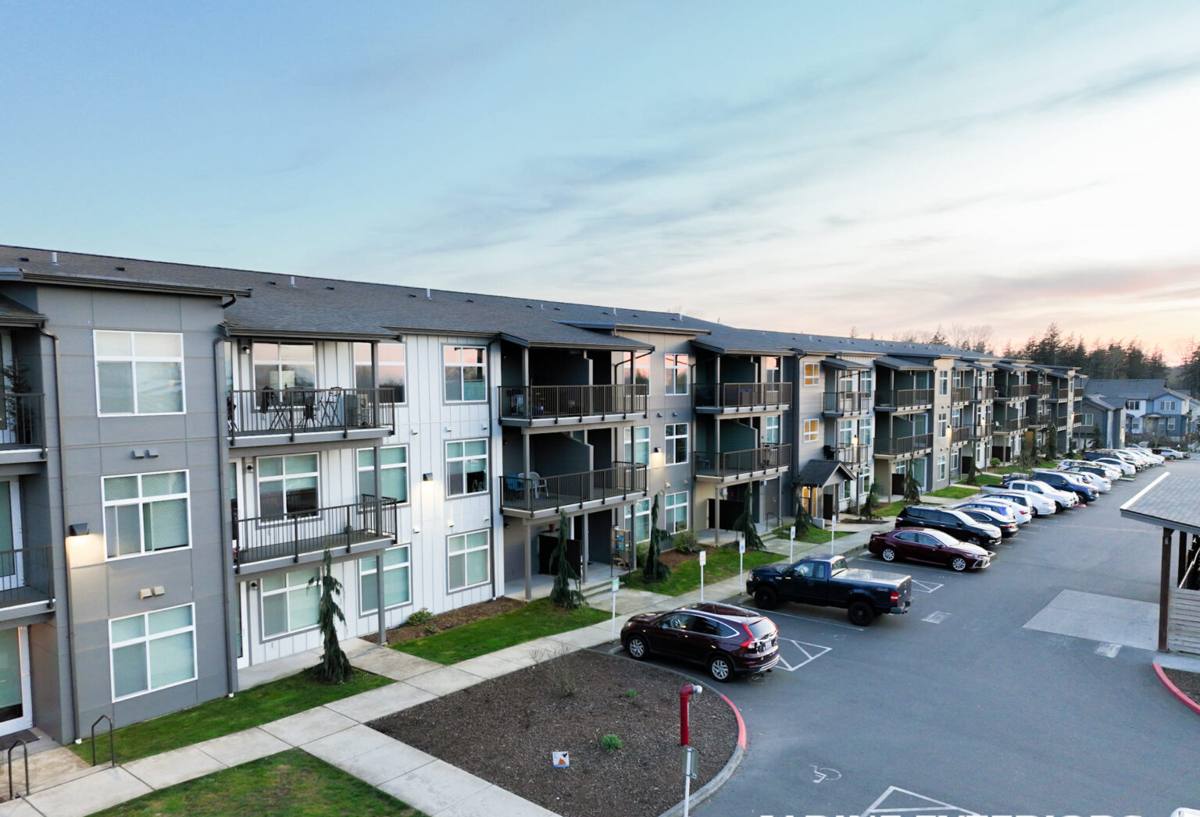
Board and batten siding is one of the most requested looks in Pinellas County right now, and Kenneth City is no exception. The vertical panels with raised battens covering each seam give a home a clean, farmhouse-modern or coastal-cottage look that stands out from the horizontal lap siding on most of the surrounding streets. Homeowners often want it as a full exterior, or as an accent on gables, entry walls, or a front porch feature.
What gets missed is that board and batten isn't just a style choice. The vertical orientation sheds wind-driven rain differently than horizontal lap siding, and it has more seams and fastening points per square foot. That combination means this profile rewards correct installation and the right material more than almost any other siding style — and punishes shortcuts faster when Kenneth City's weather goes to work on it.
What Pinellas County Weather Does to Board & Batten Siding
Kenneth City sits inland from the Gulf but still well within reach of everything that makes siding in this part of Florida a harder job than it looks:
- Hurricane-force wind gusts that flex panels, pull at fasteners, and test every seam and corner during named storms and the seasonal squalls in between.
- Intense, near year-round UV exposure that fades and embrittles lower-grade materials and finishes far faster than in most of the country.
- Wind-driven rain that doesn't just fall straight down — it gets pushed sideways into battens, corners, and trim joints, which is exactly where a board and batten installation either holds or fails.
- Salt-laden air, which corrodes the wrong fasteners and accelerates deterioration even on homes that aren't waterfront.
None of this is unique to Kenneth City — it's Pinellas County living. But it's worth saying plainly: board and batten siding installed the way it's often done in drier, milder parts of the country doesn't hold up here. The material and the details have to be matched to this climate, not a national average.
Board & Batten Is Only as Good as What's Behind the Battens
Because vertical board and batten has more seams than lap siding, the material behind those battens matters more, not less. A joint that's forgiving in a mild, dry climate can be a moisture entry point here. That's the core reason we standardized on one material for this profile.
| Material | Moisture Behavior | UV/Fade Resistance | Wind Performance | Long-Term Maintenance |
|---|---|---|---|---|
| Solid wood | Absorbs and swells at every batten seam and end cut; rot risk is high in humid climates | Poor without frequent repainting | Adequate if fastened correctly, but fasteners loosen as wood moves | High — repainting, caulk renewal, rot inspection |
| Vinyl | Doesn't rot, but panels can warp, bow, or crack under sustained heat and impact | Fades and chalks over time; color is not repairable | Lower wind ratings; can pull loose or crack in storm-force gusts | Low, but damaged sections are often visibly mismatched when replaced |
| LP SmartSide (engineered wood) | Wood-strand core is more moisture-sensitive than fiber cement; edges need diligent sealing | Good with factory finish, but relies on maintained edge sealing | Solid when installed to spec | Moderate — edge and seam maintenance is not optional |
| James Hardie fiber cement | Engineered for high-humidity climates; doesn't rot, swell, or support pest damage | ColorPlus factory finish holds color far longer than field paint | Engineered and tested for high-wind regions | Low — no repainting cycle needed with ColorPlus finish |
Why We Only Install James Hardie for This Profile
We don't install wood, vinyl, LP SmartSide, Cemplank, Allura, or primed spruce or cedar board and batten — on this house style or any other. That's not about any one of those products being worthless; wood has real charm, vinyl is inexpensive, and engineered wood has improved a lot. It's that board and batten's extra seams and joints amplify whatever weaknesses a material has, and in a climate that throws hurricane wind, constant UV, and salt air at a house, we'd rather stand behind one material we trust completely than install several we'd have to caveat. James Hardie fiber cement is non-combustible, doesn't feed rot or termites, and is engineered specifically for humid, storm-prone climates through its HZ10 product line — which is the line built for exactly where Kenneth City sits.
What Correct Board & Batten Installation Actually Requires
Fastening and Layout
Every panel needs to land on solid framing, with fastener spacing and type matched to the wind zone the home sits in. Battens need consistent spacing over the seams, not just for looks but so that every seam is actually covered and protected, and fasteners need to be corrosion-resistant given the salt air in this part of Florida.
Flashing, Gaps, and Drainage Behind the Panel
This is where most board and batten failures actually start, and it's invisible once the job is done. Panels need a drainage path behind them, correct clearance from the ground, roofline, and any decking, and flashing at every window, door, and penetration — not caulk used as a substitute for flashing. Caulk has a job in this system, but it's a secondary seal at specific joints, not the primary defense against wind-driven rain.
- Starter strip and first course set level and at correct height off grade
- Flashing installed at all windows, doors, and roof-to-wall intersections before panels go up
- Manufacturer-specified gaps maintained at panel ends, corners, and any butt joints
- Minimum clearance held between siding and grade, roofing, and decking surfaces
- Corrosion-resistant fasteners driven to the correct depth — not overdriven, not proud
- Battens spaced evenly and fully covering every vertical seam
- Caulking limited to the joints the manufacturer specifies, not used to mask gaps
The James Hardie Board & Batten System We Use in Kenneth City
We install James Hardie's vertical panel system — HardiePanel vertical siding paired with HardieTrim battens — engineered in the HZ10 climate line for the Gulf Coast's humidity and storm exposure. Panels are available with a ColorPlus factory-applied finish, which is baked on rather than field-sprayed and comes with its own finish warranty separate from the substrate warranty on the siding itself. That combination is what lets a board and batten exterior in Kenneth City keep its color and edges crisp for years without a repainting cycle, and it's backed by a transferable limited warranty on the siding — a real consideration if the home changes hands.
What Affects the Cost of a Board & Batten Project
There's no honest flat number for this without seeing the house, but the factors that actually move the price are consistent from project to project.
| Factor | Why It Matters |
|---|---|
| Full exterior vs. accent application | An accent wall or gable costs far less than re-siding the whole house |
| Tear-off vs. new construction/overlay | Removing old siding and repairing substrate underneath adds labor before the new siding ever goes up |
| Trim and corner detailing | Board and batten with crisp corner boards and window trim takes more precision and material than a simple field of panels |
| ColorPlus factory finish vs. field paint | Factory finish costs more up front but removes the repainting cycle for years |
| House size and number of stories | More square footage and elevation height mean more labor, staging, and material |
Our Process for Kenneth City Homes
We start with an on-site look at the existing siding and the substrate underneath it — in this climate, what's happening behind the current siding matters as much as what's visible. From there we review what Pinellas County permitting and the applicable wind-borne debris requirements call for on the project, so the job is done to code from the start rather than flagged at inspection. We handle material selection, tear-off where needed, correct flashing and fastening per Hardie's installation specs, and a final walkthrough before we consider the job done.
Why It Matters to Hire a Crew That Already Works in Kenneth City
Board and batten installed to spec in a lab is one thing; installed correctly on a real Kenneth City home, in Pinellas County's permitting environment and against Pinellas County's actual weather, is another. A crew that already works in this area knows the wind zone requirements that apply here, has a working relationship with local permitting, and has seen how homes in this part of Florida age — which matters when deciding where extra flashing attention or additional fastening is worth it versus not. It also matters for the warranty: a company that's local and still standing years from now is the one that actually shows up if something needs a look.
If you're weighing board and batten siding for a home in Kenneth City, we're glad to come take a look and give you a straight, no-pressure estimate — fill out the form below to get started.