 Seminole Siding
 Decking in Pinellas Park Has to Answer to Florida, Not the Brochure
Pinellas Park sits inland from the Gulf but still lives under the same Pinellas County weather as everyone else on this peninsula: long stretches of intense UV, thick humidity most of the year, wind-driven rain that gets under things it shouldn't, and salt-laden air that moves further inland than most homeowners assume. A deck built here doesn't fail the way a deck fails in a drier, cooler climate. It fails at the fasteners, at the framing, at the spots where water sits instead of draining. Composite decking is a strong answer to that environment, but only when it's designed and installed with this climate in mind — not just ordered from a catalog and nailed down the way it would be anywhere else in the country.
This page is specifically about composite decking for Pinellas Park properties, an area we already work regularly out of our base in Seminole. We're not going to give you a generic national rundown of composite decking — you can find that anywhere. We're going to tell you what actually matters for a deck that has to survive a Pinellas County summer, a wind event, and a decade of salt air without turning into a maintenance headache.
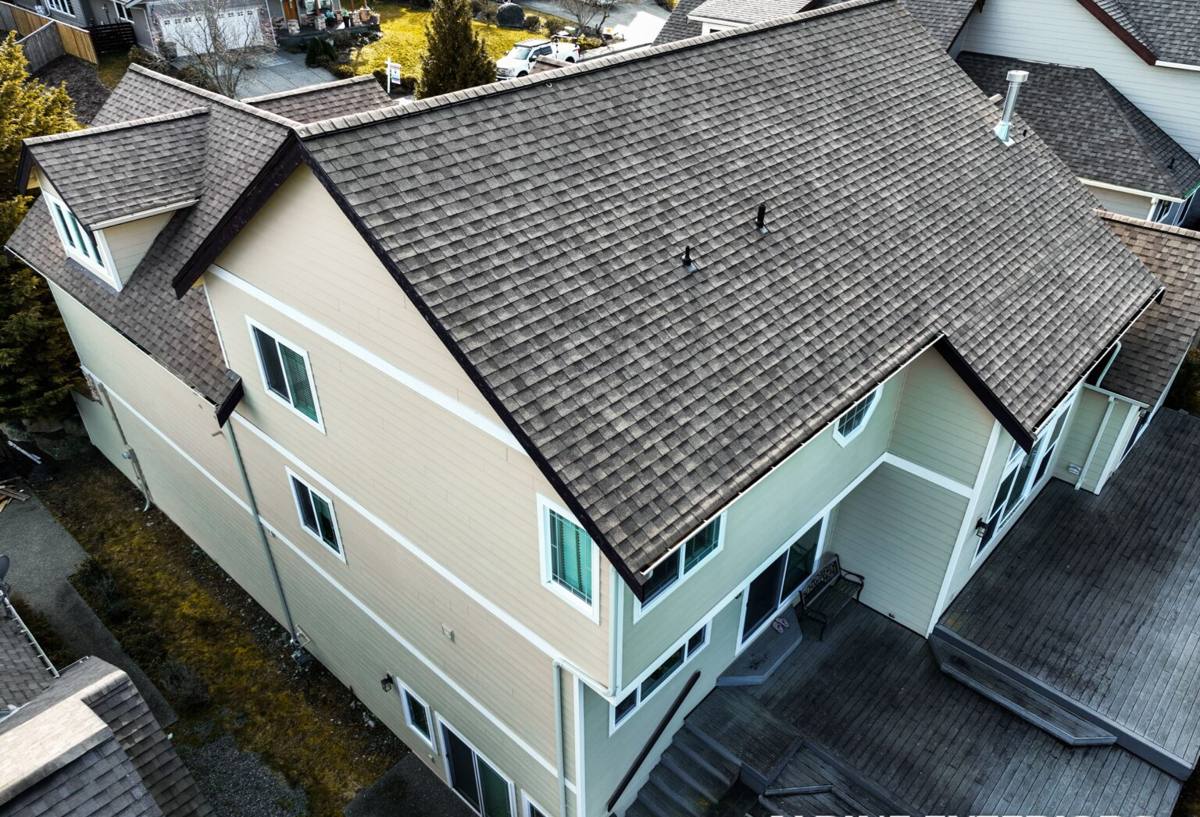
What This Climate Actually Does to a Deck
Before talking about the product, it helps to understand what it's up against. Homeowners in Pinellas Park are usually surprised by which part of a deck fails first — it's rarely the boards themselves.
UV and Heat
Florida gets more direct sun exposure across more months than almost anywhere else in the country. On a wood deck, that means graying, splitting, and surface checking within a couple of seasons. On composite, UV resistance comes from the cap layer — the outer shell bonded to the core board. A quality capped composite board holds its color and resists fading far better than uncapped composite or wood, but heat also means real thermal expansion and contraction. Boards installed without the manufacturer's specified gapping will buckle, cup, or push against fascia and railing posts once summer heat sets in.
Humidity and Moisture Cycling
Pinellas County humidity doesn't just sit in the air — it gets into anything porous and stays there. Composite decking resists moisture absorption much better than wood, but the substructure underneath it (joists, ledger boards, framing) is usually still wood, and that's where rot actually starts. If the framing isn't protected and ventilated correctly, you can have a beautiful composite deck surface sitting on a substructure that's quietly failing underneath.
Wind-Driven Rain
Storms here don't just rain down, they rain sideways. Water gets pushed under ledger boards, into fastener holes, and behind any flashing that wasn't lapped correctly. A deck attached to the house needs proper ledger flashing and a drainage gap, not just lag bolts through the siding.
Salt Air
Pinellas Park isn't beachfront, but it's close enough to the Gulf and Tampa Bay that salt air still degrades untreated metal over years, not decades. Standard zinc-coated fasteners and generic hardware corrode faster here than the spec sheet from a colder, drier state would suggest. This is one of the most commonly overlooked details in deck builds across this part of Florida.
Wind Load
Pinellas County falls in a wind zone that Florida Building Code takes seriously, and decks are structures, not furniture. Ledger attachment, post connections, and railing systems all have code-driven requirements for wind resistance, and a deck permit here isn't a rubber stamp — it's an actual structural review.
Why We Install Composite Rather Than Push Wood as the Default
We still build wood decks when a homeowner wants that look and understands the tradeoff. But for most Pinellas Park homeowners, composite is the more honest recommendation given this climate, and here's why, stated plainly rather than as a sales pitch:
- Moisture behavior: Composite boards don't absorb water the way wood does, so they don't swell, cup, or split from repeated wet-dry cycling the way untreated or even pressure-treated lumber does in this humidity.
- Maintenance burden: Wood in this climate needs re-staining or sealing on a real schedule — skip a year or two and UV and moisture start winning. Composite needs washing, not refinishing.
- Surface consistency: Capped composite doesn't splinter, and it doesn't develop the raised grain and rough patches that sun-baked wood does after a few Florida summers.
- Long-term cost: Composite costs more upfront than pressure-treated lumber. Over 10-15 years, the avoided refinishing, board replacement, and repair labor usually closes that gap or reverses it, depending on how the wood deck was maintained.
The tradeoff we're honest about: composite is a manufactured product, so its appearance is more uniform and less "natural" than real wood grain, and board-level repairs sometimes mean matching a fading batch years later. For most homeowners here, that's a fair trade for not fighting the climate every year.
What a Correct Composite Deck Build Involves
The board is maybe a third of what determines whether a composite deck lasts in Pinellas Park. The rest is in details that don't show up in a showroom sample.
Substructure and Framing
Joists should be properly sized and spaced for the specific composite product's span rating — composite boards generally need tighter joist spacing than solid wood decking, and using wood-spec spacing is one of the most common corner-cutting mistakes we see when inspecting other contractors' work. Framing lumber should be treated for ground or exterior exposure as appropriate, and protected with joist tape along the top edge to keep water off end grain and fastener penetrations.
Ledger Attachment
Where the deck ties into the house, the ledger board needs correct flashing that directs water out and away from the wall assembly, not just lag bolts driven through the siding into the rim joist. Done wrong, this is a slow leak into the wall system that can take years to show itself.
Fasteners and Hardware
Given the salt air, we use fasteners and structural hardware rated for coastal or corrosion-prone environments — stainless steel or equivalent coated hardware, not the standard-grade fasteners that are fine further inland or up north. This is a small cost difference on the invoice and a large difference in how the connections hold up over years.
Gapping and Expansion
Composite boards expand and contract with heat more than people expect. Manufacturers specify gapping between boards and at fixed objects (posts, walls, fascia) for a reason — skip it and you get buckling or boards pressing against structures hard enough to damage both.
Ventilation and Drainage
Air needs to move under the deck, and water needs somewhere to go. Skirting, if used, should still allow airflow. Grading or drainage under low decks matters more here than in drier climates because standing water under a deck in humid Florida air is exactly the environment rot and pests want.
Railings and Structural Connections
Post-to-frame connections and railing systems have to meet Florida Building Code load requirements, which are stricter here than in most of the country because of wind. This isn't optional detailing — it's inspected.
Our Process for a Pinellas Park Composite Deck
- On-site assessment: We look at the existing structure (if replacing a deck), grading, drainage, sun exposure, and how the deck ties to the house before recommending anything.
- Honest product walkthrough: We go over composite options and price tiers against what you actually want out of the deck — low maintenance, specific color range, budget — instead of steering you to whatever has the best margin.
- Permitting: Deck construction in Pinellas County requires a permit and inspection. We handle that process rather than leaving you to navigate it.
- Framing and structural work: Joists, ledger flashing, hardware, and blocking go in to spec before a single composite board is placed.
- Deck board installation: Boards are installed with correct fastening, gapping, and pattern per manufacturer specification.
- Railings, stairs, and trim: Finished to match code and the rest of the exterior.
- Final walkthrough and inspection sign-off: We walk the finished deck with you before calling the job done.
Cost Factors: What Actually Moves the Price
| Factor | Why It Matters Here |
|---|---|
| Deck size and shape | More linear feet of framing, fascia, and board cuts; complex shapes (angles, multiple levels) add labor |
| Composite tier | Entry-level capped composite vs premium capped or mineral-based composite affects both material cost and long-term fade resistance |
| Substructure condition | Replacing rotted or undersized existing framing costs more than building fresh, but skipping it is how decks fail early |
| Height and railing requirements | Taller decks need code-compliant railings and stronger post connections, which adds both material and labor |
| Ledger vs freestanding | A house-attached deck needs proper flashing work at the ledger; a freestanding deck avoids that step but needs its own footing plan |
| Site access | Tight side yards or elevated lots slow down material staging and equipment access, which affects labor time |
What to Check Before Hiring Any Deck Contractor Here
- Are they pulling a Pinellas County permit for the deck, or suggesting you skip it?
- Do they specify stainless or coated fasteners appropriate for coastal-adjacent air, or just "standard" hardware?
- Can they explain joist spacing for the specific composite product, not just "standard 16 inches"?
- Do they detail how the ledger board will be flashed if the deck attaches to the house?
- Do they carry liability insurance and, if they have employees, workers' comp coverage?
- Will the finished deck be inspected and signed off by the county before they consider the job complete?
Why a Crew That Already Works Pinellas Park Matters
Pinellas County's permitting and inspection process, wind load requirements, and typical lot conditions in this part of the county aren't identical to every jurisdiction in Florida, let alone the rest of the country. A crew that regularly works Pinellas Park and the surrounding Seminole area already knows the local permitting steps, has a working relationship with the inspection process, and has seen how the local soil, drainage, and sun exposure patterns in this specific area affect a deck build. That's fewer surprises mid-project and fewer callbacks after. It also means when we tell you what a correct build looks like here, it's based on decks we've actually built and serviced in this climate, not a general script.
Maintaining a Composite Deck in This Climate
Composite is low-maintenance, not no-maintenance. In Pinellas Park's climate, a periodic wash to remove pollen, mildew film, and salt residue keeps the surface looking right and keeps grip texture from getting slick. Keeping gutters and downspouts directing water away from the deck area, and keeping any skirting clear so air can still move underneath, protects the substructure over the long run. Hardware and railing connections are worth a visual check once a year, especially after a heavy storm season, since that's where corrosion or loosening would show up first.
If you're planning a composite deck in Pinellas Park or want a second opinion on an existing deck's condition, we're glad to come take a look. The estimate is free, there's no pressure, and you'll get a straight answer about what your project actually needs — just fill out the form below to get started.