 Seminole Siding
 Windows Built for a Barrier Island, Not Just "Florida"
Redington sits on a narrow strip of land between the Gulf of Mexico and the Intracoastal Waterway, just west of Seminole across the water. That location is beautiful and it's also brutal on a house. Homes here take direct salt air off the Gulf, unfiltered UV almost every day of the year, wind-driven rain that finds its way into gaps a few miles inland would never see, and the real possibility of hurricane-force wind loading during storm season. A window that's fine in a subdivision a few miles inland can fail years early on a Redington property, and when a window fails on a barrier island, it's not a minor inconvenience — it's a path for water and wind pressure straight into the house.
We work Redington regularly as part of our Seminole service area, and custom windows for these homes get treated differently from the start: different glass and frame decisions, different flashing and sealant approach, and a permitting conversation that inland homes in Pinellas County often skip entirely.
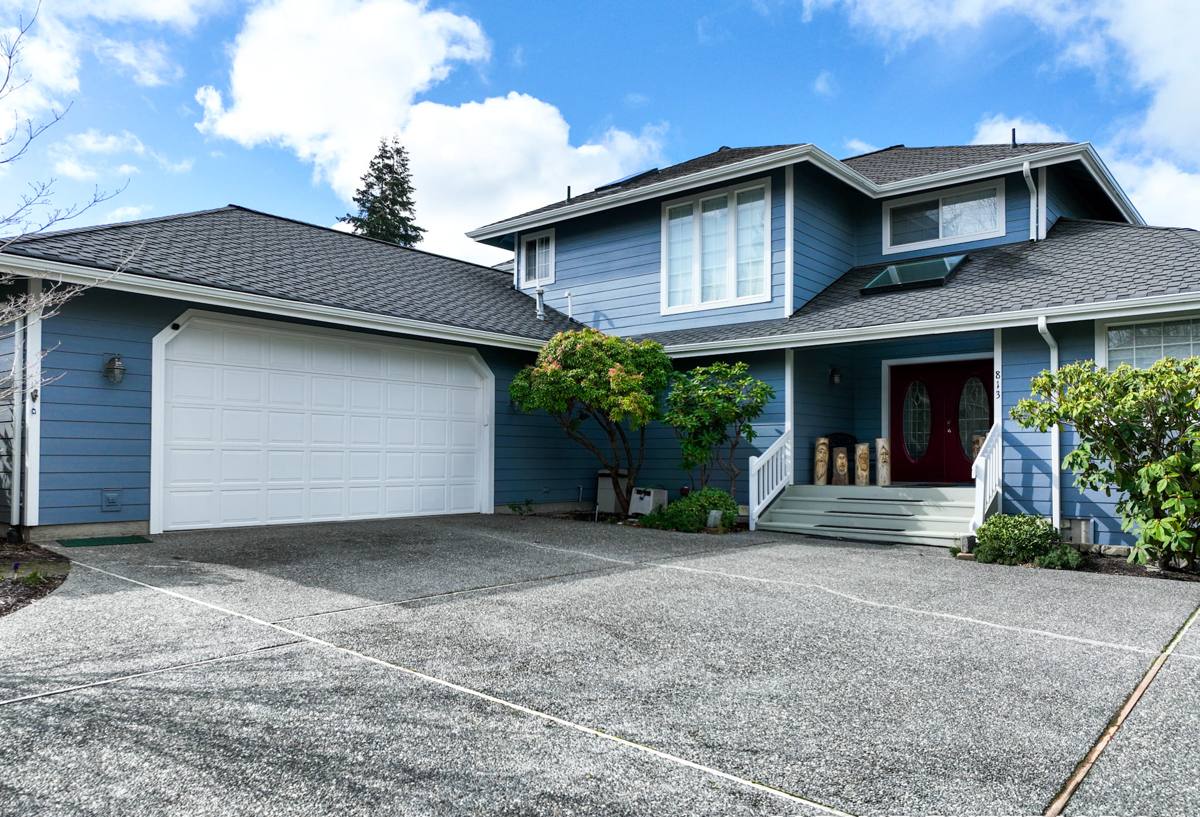
What the Gulf Environment Does to a Window Over Time
Salt Air and Corrosion
Airborne salt settles on everything near the coast, including window frames, hardware, and fasteners. Cheaper aluminum hardware and unprotected fasteners corrode faster in this environment than the same components would a few miles inland. Corrosion doesn't just look bad — it seizes locks and rollers and can weaken the connection between the frame and the structure over years.
UV Exposure
Florida sun is intense year-round, and a Gulf-facing home gets little relief from shade or seasonal angle changes. UV breaks down vinyl, degrades seals and gaskets, and fades interior finishes through unprotected glass. Windows without UV-stable materials and proper glazing chalk, discolor, or lose their seal integrity well ahead of their expected lifespan.
Wind-Driven Rain
Rain that arrives sideways during a squall or tropical system tests a window's flashing and sealant far more than a normal rainstorm. Most window leaks we're called out to fix aren't glass failures — they're installation failures where flashing was skipped, sealant was applied wrong, or the rough opening wasn't prepped correctly in the first place.
Storm Wind Loading
Beyond named storms, a barrier island location means routine higher sustained wind exposure. Windows and their anchoring need to handle that cyclical pressure, not just survive a single big event.
What "Custom" Actually Means on a Redington Home
Custom windows aren't about ornamentation — on this stretch of coast, custom usually means matching what the house and the situation actually require:
- Non-standard openings in older coastal cottages and mid-century homes where nothing is a stock size anymore
- Matching sightlines and sash proportions on a home where only some windows are being replaced
- Coordinating glass tint or Low-E coatings with orientation — Gulf-facing exposures often need different solar control than the street side
- Meeting condo or HOA exterior appearance guidelines common in beach communities, where frame color and grid pattern may be restricted
- Sizing and engineering the unit to carry the wind load rating the specific opening requires
A generic big-box window ordered off a size chart rarely accounts for all of that. Custom means the window is specified for the actual opening, the actual exposure, and the actual code requirement — not just close enough.
Impact-Rated Glass vs. Shutters: The Honest Trade-Offs
Homeowners near Redington usually end up choosing between impact-rated windows or standard windows paired with separate hurricane shutters or panels. Both meet code when installed and rated correctly. The right call depends on budget, how the home is used, and how much manual storm prep you want to do.
| Factor | Impact-Rated Windows | Standard Windows + Shutters |
|---|---|---|
| Storm prep effort | None — protection is built in year-round | Shutters/panels must be installed before every storm |
| Upfront cost | Higher per-window cost | Lower window cost, added shutter/panel cost |
| Daily UV and noise benefit | Laminated glass cuts UV and outside noise every day | No daily benefit — protection only when deployed |
| Appearance | Frame stays the same year-round | Shutters change the home's look when deployed |
| Maintenance | Standard window care | Shutter tracks/hardware need separate upkeep, especially with salt exposure |
| Insurance considerations | Often qualifies for wind mitigation credits | May also qualify, depending on shutter type and documentation |
We install both and won't push you toward the more expensive option if shutters make more sense for how you use the property. What we won't do is mix a non-rated window into an opening that code or the home's exposure calls for a rated unit — that's a corner we don't cut.
Frame Material: What Holds Up on the Coast
Vinyl, aluminum, and fiberglass framing all show up in coastal replacement work, and each has real trade-offs in a salt-air environment. Vinyl won't corrode but can expand/contract more with the temperature swings between a hot afternoon and AC-cooled interior. Aluminum is strong and slim-profile but needs corrosion-resistant coatings and hardware near the Gulf. Fiberglass resists both corrosion and thermal movement well but costs more upfront. We'll walk through which fits your specific opening, budget, and how exposed that side of the house is.
Doing the Installation Right
The window unit itself is only part of the job. On a coastal property, how it goes into the wall matters just as much:
- Opening prep — old sealant, damaged framing, and any water-compromised substrate get addressed before the new unit goes in. Installing over a hidden problem just seals it inside the wall.
- Flashing — proper flashing tape and pan flashing direct any water that gets past the window back outside the wall assembly, not into it.
- Anchoring — fasteners and anchoring points are sized and spaced to the window's engineered wind load rating, not just "enough screws to hold it up."
- Sealant — marine-grade, UV-stable sealant compatible with the frame material, applied in a continuous bead with no gaps.
- Final check — operation, seal, and level/plumb confirmed before we call the job done.
Skipping any one of those steps is how a technically correct window still ends up leaking or failing early in a coastal setting.
Permitting and Code on a Coastal Opening
Because Redington properties sit directly on the coast, many fall inside Florida's wind-borne debris region, which can trigger additional requirements beyond what an inland Pinellas County home needs — impact resistance or approved protection, specific product approval documentation, and sometimes additional review tied to the property's location relative to the coast. Exact requirements depend on your specific address, the home's construction date, and current local code, so we pull the permit and confirm the actual requirement for your property rather than assuming. If your home is part of a condo association or HOA, we also account for their exterior standards alongside the county permit — the two aren't always the same thing, and missing either one causes headaches later.
Why a Crew That Already Works Redington Matters
Barrier island work has practical wrinkles that don't show up a few miles inland. Parking and staging materials on a narrow island lot takes planning. Many properties are condos or part of an association with its own rules about work hours, contractor access, and approved exterior changes. Older coastal homes often have openings that don't match any modern stock size, so field-verifying measurements before ordering isn't optional. A crew that's done this work in Redington and the surrounding Seminole beach communities before knows to check for these things up front instead of discovering them mid-job — which is what actually keeps a project on schedule.
Before You Hire, Check For:
- A Florida contractor license and current insurance, verifiable before work starts
- Experience specifically with coastal/barrier island installations, not just general remodeling
- A clear explanation of what wind load and impact rating your specific opening requires
- Written scope covering flashing and sealant method, not just "we'll install the windows"
- Someone who will pull the actual permit, not skip it
- A straight answer on maintenance expectations for salt-air exposure
Keeping New Windows Performing in a Salt-Air Environment
Even a well-installed coastal window benefits from basic upkeep. Rinse frames and tracks periodically to clear accumulated salt residue, especially after a stretch without rain. Check weep holes to make sure they're clear so water can drain out as designed. Inspect exterior sealant lines annually for cracking or separation, since sealant is a wear item even when it's the right product. None of this is complicated, but skipping it is how a good window installation loses years off its service life on a Gulf-facing property.
Get a Straight Estimate for Your Redington Home
Every opening on a coastal property is a little different, and the right window spec depends on your home's exposure, construction, and how you actually want to handle storm season. If you're in Redington, Seminole, or elsewhere in Pinellas County and thinking about custom windows, we're glad to come take a look, measure the actual openings, and give you a straightforward, no-pressure estimate — use the form below to get started.