 Seminole Siding
 Deck Repair Built for Clearwater's Climate
A deck in Clearwater lives a harder life than a deck almost anywhere inland. Between the intense year-round UV, the salt-laden air rolling in off the Gulf, sudden wind-driven downpours, and the occasional hurricane-force gust testing every fastener and connection, a deck here ages faster than the manufacturer's brochure suggests. That doesn't mean decks fail quickly when they're built and maintained correctly — it means repairs have to account for conditions a deck in, say, Ohio or the Carolinas never sees.
We work Seminole and the surrounding Pinellas County communities, including Clearwater, on a regular basis. That matters for deck repair specifically because the failure patterns we see here are consistent, and consistent patterns are exactly what let a crew diagnose a problem correctly instead of guessing.
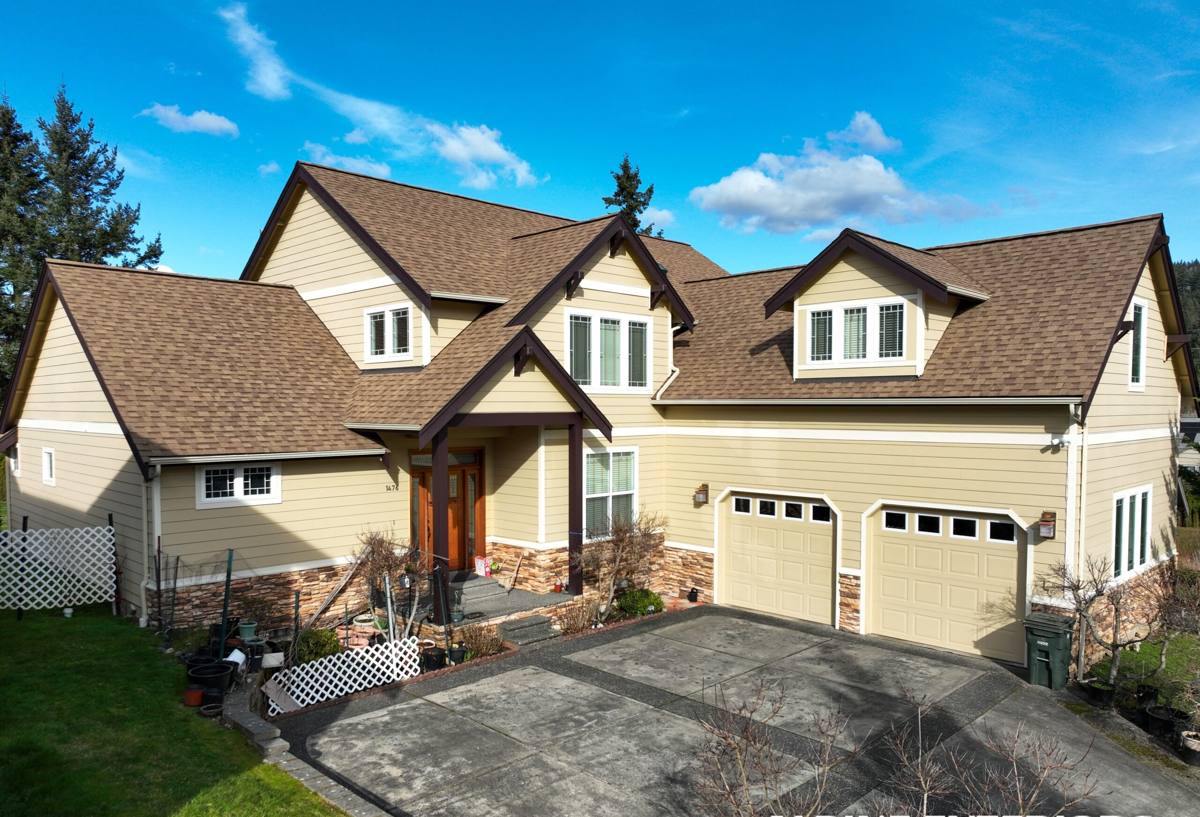
Why Clearwater Decks Take a Beating
Several climate factors stack on top of each other in this part of Pinellas County, and they interact in ways that accelerate wear beyond what any single factor would cause on its own.
- UV exposure: Florida sun breaks down the lignin in wood fibers and degrades the UV inhibitors in composite and PVC capping over time, leading to graying, surface checking, and eventual brittleness if a deck isn't sealed or maintained.
- Salt air: Even a few miles inland from the Gulf, airborne salt accelerates corrosion on fasteners, brackets, and any exposed metal hardware. Corroded fasteners are one of the most common root causes of a deck that feels "loose" or springy.
- Wind-driven rain: Storms here rarely fall straight down. Rain gets pushed sideways into ledger boards, stair stringers, and the undersides of decking — areas that were never designed to shed water horizontally.
- Humidity and moisture cycling: Constant wet-dry cycling causes wood to expand and contract repeatedly, which loosens fasteners, opens joints, and stresses any finish or sealant applied to the surface.
- High wind events: Hurricane-force gusts test every connection point on a deck — railings, posts, ledger attachment to the house — far more than routine weather does anywhere without tropical exposure.
None of these factors is unique to Clearwater by itself, but the combination — constant sun, salt air, and periodic extreme wind, all in the same structure's lifespan — is what separates coastal Pinellas County deck repair from a general handyman job.
Common Deck Problems We See in Clearwater
Most of the repair calls we get in this area fall into a handful of recurring categories:
Fastener and Hardware Corrosion
Screws, nails, and joist hangers that weren't rated for coastal exposure start to rust, stain the surrounding wood or decking, and lose holding strength. This shows up as popped screw heads, dark streaking around fasteners, or boards that shift underfoot.
Ledger Board Problems
The ledger board — where the deck attaches to the house — is the single most safety-critical connection on most decks. Wind-driven rain that gets behind poorly flashed ledger boards can cause hidden rot for years before it's visible from the surface. By the time you can see a problem here, it's usually more advanced than it looks.
Surface Wear on Wood Decking
Graying, splintering, cupping, and checking on wood decking boards from UV and moisture cycling. Cosmetic at first, but untreated surface damage lets water into the wood fibers faster over time.
Railing and Post Movement
Loose or wobbly railings are almost always a fastener or post-connection issue, not a "the whole railing needs replacing" issue — unless the wood itself has gone soft.
Stair Stringer Wear
Stairs take direct foot traffic and direct weather exposure at the same time, so stringers and treads often show wear before the rest of the deck does.
Composite and PVC Board Issues
Newer materials aren't immune. Improper fastening, inadequate ventilation underneath, or manufacturing-batch issues can cause swelling at cut ends, surface flaking, or color fade that's uneven compared to the rest of the deck.
Repair or Replace? How We Make That Call
Not every deck problem means a full rebuild, and not every deck problem is safely fixable with a patch. The honest answer depends on what's structural versus what's cosmetic, and how far the damage has spread.
| Signal | Usually Repairable | Usually Needs Larger-Scale Work |
|---|---|---|
| Individual loose or popped fasteners | Yes — re-fasten with corrosion-rated hardware | — |
| Surface graying or minor checking on a few boards | Yes — sand, treat, or replace individual boards | — |
| Soft or spongy spot on decking | Sometimes — isolated board replacement | If it traces back to a wet substructure or joist |
| Ledger board with visible rot or gaps at the house | Rarely — this is a safety-critical connection | Usually — proper flashing and reattachment |
| Multiple joists or posts showing rot | No | Yes — structural rebuild of that section |
| Widespread fastener corrosion across the deck | Sometimes — full re-fastening pass | If hardware failure has already compromised boards |
We'll always tell you plainly which category your deck falls into. A deck with isolated, surface-level wear doesn't need a rebuild, and we're not going to sell you one. A deck with a compromised ledger board or rotted structural framing does need more than a patch, because that's a safety issue, not a cosmetic one.
Wood, Composite, and PVC — What Repair Looks Like for Each
The right repair approach depends heavily on what the deck is built from. Each material behaves differently under Pinellas County sun and moisture, and each has different repair trade-offs.
| Material | Typical Repair Work | Coastal Considerations |
|---|---|---|
| Pressure-treated wood | Board replacement, re-fastening, sanding, sealing/staining | Needs periodic resealing to keep UV and moisture out; the most maintenance-dependent option |
| Composite decking | Board replacement, fastener upgrades, addressing ventilation underneath | Lower maintenance than wood, but cut ends and fastener points still need attention |
| PVC/capped polymer decking | Board replacement, surface cleaning, hardware checks | Highly moisture-resistant surface, but installation sensitivity around expansion gaps matters more in heat |
| Structural framing (any deck) | Joist sistering, ledger reattachment, post replacement | This is where corrosion-rated coastal hardware matters most, regardless of decking material |
We don't push one material over another as a blanket rule — each has honest trade-offs in maintenance burden, upfront cost, and long-term moisture behavior. What we will tell you honestly is which repair approach fits your existing deck, and where a material swap makes more sense than a like-for-like patch.
What a Correct Deck Repair Actually Involves
A repair that just replaces a rotten board without addressing why it rotted is a repair that fails again in a year or two. Doing it correctly means treating the cause, not just the symptom.
Diagnosing the Real Problem
Before any board comes off, we check what's underneath and around it — joists, ledger connection, flashing, and drainage. A soft board is often a symptom of trapped moisture, not the root cause by itself.
Matching Materials Correctly
Replacement boards, fasteners, and hardware need to match — or upgrade — what's already there. Mixing incompatible metals (for example, certain fasteners against certain treated lumber chemistries) can accelerate corrosion rather than fix it.
Corrosion-Rated Hardware
In a coastal-influenced area, standard interior-grade fasteners are the wrong choice. Stainless steel or properly coated, corrosion-resistant fasteners and joist hangers cost more up front and last dramatically longer here.
Proper Flashing and Water Management
Any repair touching the ledger board or a horizontal surface needs flashing that actually sheds wind-driven rain, not just vertical rainfall. This is one of the most commonly skipped steps in low-quality deck work.
Structural Integrity First
Cosmetic finish work is meaningless if the framing underneath isn't sound. We check load-bearing connections before we ever get to surface appearance.
Our Deck Repair Process, Step by Step
- On-site assessment: We walk the full deck — surface, railings, stairs, and underneath where accessible — and identify what's cosmetic versus structural.
- Honest scope and estimate: You get a plain-English explanation of what actually needs repair, what can wait, and what we'd recommend prioritizing for safety.
- Removal of compromised material: Damaged boards, corroded hardware, and any rotted framing are removed down to sound material.
- Structural repair: Joists, posts, or ledger connections are repaired or reinforced as needed, with coastal-appropriate hardware.
- Flashing and moisture management: Any exposed connection points are properly flashed or sealed before new material goes on.
- Board and hardware replacement: New decking, railing components, or stair elements are installed and fastened to match the existing structure.
- Final walkthrough: We check the repair together and go over any maintenance recommendations specific to your deck's material.
Maintenance That Extends the Life of a Repair
A repair done right will still need routine upkeep in this climate — that's the nature of an outdoor structure in Pinellas County, not a sign the repair was done wrong.
- Rinse salt residue off decking periodically, especially after storms with onshore wind
- Reseal or restain wood decking on the schedule appropriate to the product used — sun exposure here shortens typical intervals
- Inspect fasteners and hardware once or twice a year for early rust staining
- Keep gutters and drainage clear near the ledger board connection
- Address small issues — a loose board, a rust spot — before the next storm season rather than after
- Check under-deck ventilation isn't blocked by stored items or overgrown landscaping
Why a Local Seminole Crew Matters for a Clearwater Deck
Deck repair isn't a one-size-fits-all trade. A crew that mostly works dry, inland climates will default to materials, fastener choices, and flashing details that aren't built for salt air and wind-driven rain — not because they're careless, but because that's not the environment they're used to solving for.
Working Seminole and the surrounding Pinellas County area regularly means we see the same failure patterns often enough to recognize them quickly: which fastener grades hold up, which flashing details actually stop wind-driven rain, and which cosmetic symptoms point to a bigger structural issue underneath. That local pattern recognition is what keeps a repair from becoming a repeat visit.
It also means we're realistic about timelines and weather. Hurricane season scheduling, humidity affecting cure times on sealants and finishes, and coordinating around storm forecasts are all things a local crew plans for as a matter of course.
Get an Honest Look at Your Deck
If your Clearwater-area deck has loose boards, corroded hardware, soft spots, or you're just not sure whether it needs a small repair or something more involved, we're glad to take a look. We'll give you a straightforward assessment of what's actually going on and what it would take to fix it correctly — no pressure, no inflated scope. Reach out using the form below for a free estimate.