 Seminole Siding
 Why Largo Decks Wear Out Faster Than the Manuals Say
Every deck manufacturer and lumber supplier prints a lifespan on the box, but those numbers are written for a national average climate — not for Largo. Between the intense, near year-round UV exposure, the salt-laden air rolling in off the Gulf, and the wind-driven rain that comes with Pinellas County's storm season, a deck here works harder than the same structure would in most of the country. That's not a scare tactic; it's just the honest starting point for any repair conversation.
UV and Heat Cycling
Florida sun doesn't just fade wood and fasteners — it cooks them. Boards heat up during the day and cool at night, and that constant expansion and contraction loosens fastener holes, opens hairline checks in the wood grain, and breaks down the UV inhibitors in sealants and composite capstock faster than the product's warranty documentation typically assumes.
Salt Air and Corrosion
Largo sits close enough to the coast that salt-laden humidity is a daily fact of life, not an occasional event. Salt air accelerates corrosion in anything metal — nails, screws, joist hangers, railing brackets — long before the visible wood shows real damage. A deck can look structurally fine on the surface while its hardware is quietly failing underneath.
Wind-Driven Rain and Moisture Intrusion
Pinellas County's storm pattern brings rain sideways as often as it brings it straight down. That wind-driven rain finds its way into ledger board connections, under railing posts, and into any gap where a board has started to cup or separate — areas that would stay dry in a calmer climate. Once moisture gets behind a board or into a post base, rot and hardware failure follow.
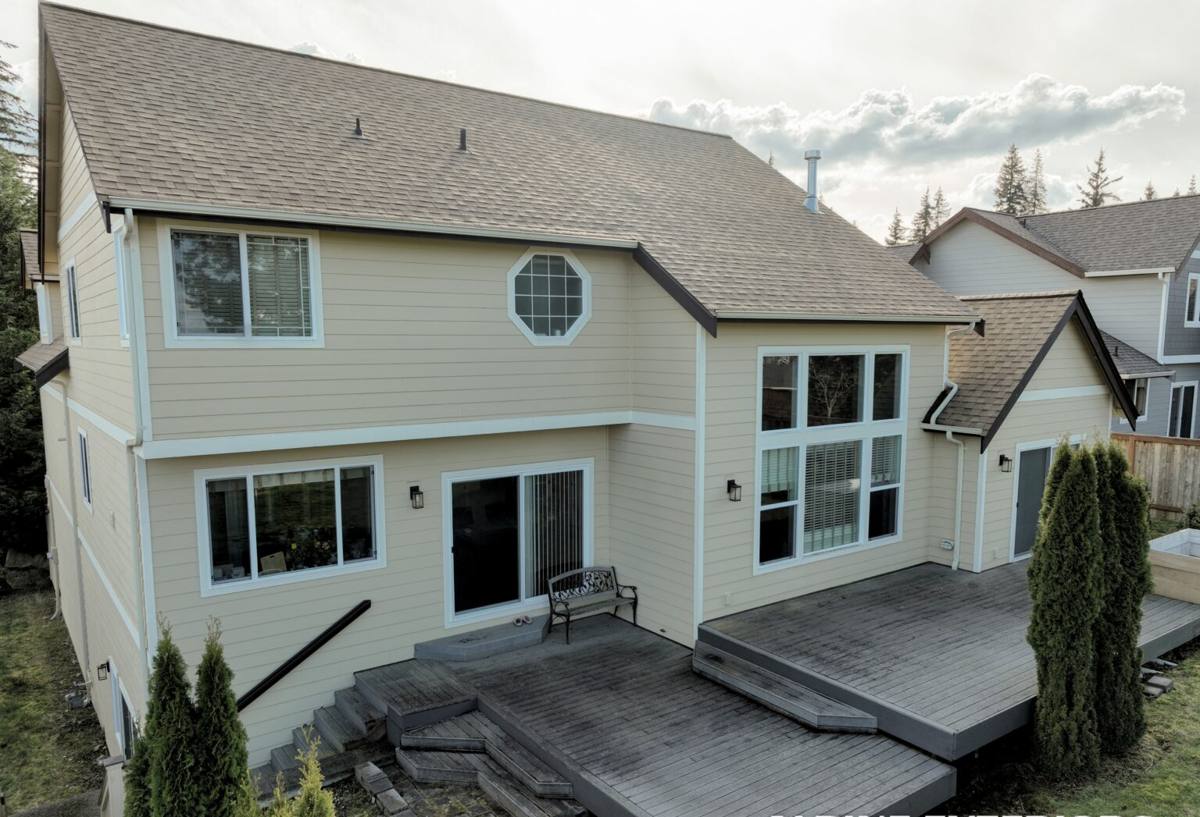
Signs a Largo Deck Needs Repair, Not a Full Rebuild
Most decks don't fail all at once — they show warning signs first. Catching them early is usually the difference between a repair bill and a replacement bill.
- Boards that feel spongy, springy, or noticeably softer underfoot in one area
- Visible rust streaking around screw or nail heads
- Railings or posts that wiggle more than they used to
- Gaps opening up between boards, or boards that have started to cup or crown
- Discoloration or a musty smell near the ledger board where the deck meets the house
- Stair stringers that flex or feel uneven when you walk down them
- Fasteners backing out or heads that have sheared off flush with the board
If what you're seeing matches one or two items on that list, it's very often a targeted repair. If several of these show up together — especially anything involving the ledger board or the main support posts — that's when a fuller structural evaluation makes sense before we talk about scope.
What a Correct Deck Repair Actually Involves
A "deck repair" can mean swapping three boards, or it can mean rebuilding the structural connections that hold the whole thing to your house. The difference matters, and a contractor who only looks at what's visible on top is missing the part of the job that actually keeps a deck safe.
Ledger Board and Structural Connections
The ledger board — where the deck attaches to the house — is the single most important connection on most residential decks, and it's also the connection most exposed to the moisture that wind-driven rain pushes against exterior walls. A correct repair checks the ledger's flashing, fasteners, and the framing behind it, not just the boards sitting on top of it.
Fasteners and Hardware
Given how fast standard hardware corrodes near the coast, repair work in this area should use stainless steel or coated fasteners and connectors rated for the exposure, not whatever generic hardware happens to be on the shelf. Reusing corroded hardware, or matching new boards to old fasteners that are already failing, is a shortcut that shows up again within a year or two.
Decking Material Considerations
Whether the repair uses matching wood, a different wood species, or composite boards depends on what's already there, what the homeowner wants long-term, and how much of the structure needs work. Mixing materials is sometimes the right call and sometimes not — that's a conversation, not a default.
Repair or Replace? An Honest Comparison
Homeowners often assume any deck problem means a full teardown. That's rarely true, but it's also not always false. Here's how we actually weigh it.
| Factor | Repair Usually Makes Sense | Replacement Usually Makes Sense |
|---|---|---|
| Structural framing | Solid, with isolated soft spots | Widespread rot in joists or ledger |
| Age of the deck | Under roughly two-thirds of its expected life | Well past typical service life for the material |
| Damage pattern | Localized — a section, a railing, a few boards | Spread across the whole surface |
| Fastener condition | Isolated corrosion, easily replaced | Widespread hardware failure |
| Code compliance | Meets current railing and spacing requirements | Built to outdated standards that need correcting anyway |
We'll always tell you honestly which column your deck falls into. There's no upside for us in talking a homeowner into a rebuild that isn't needed, and no upside in patching something that's genuinely past its service life.
What Drives the Cost of a Deck Repair
Every deck is different, so we don't quote sight unseen — but these are the factors that move a repair from a small job to a larger one.
| Factor | Impact on Scope |
|---|---|
| Number and location of damaged boards | A few boards is straightforward; scattered damage takes longer to isolate |
| Ledger board condition | Ledger and flashing repair adds structural work behind the scenes |
| Railing and post stability | Loose posts often mean footing or bracket work, not just tightening |
| Material match | Matching existing wood or composite can take longer than a straight swap |
| Access and deck height | Elevated decks or tight access add labor time |
How We Handle a Deck Repair in Largo
We keep the process straightforward, because most homeowners just want to know what's wrong, what it'll take to fix it, and what it'll cost — without a sales pitch attached.
- On-site inspection. We walk the full deck, not just the area you called about, including the underside where visible, the ledger connection, and the hardware condition.
- Honest assessment. We tell you what's cosmetic, what's structural, and what can wait versus what shouldn't.
- Written estimate. Scope and cost in plain language, broken down by what's being repaired and why.
- Permitting, if applicable. Structural repair work in Pinellas County can require permitting depending on scope — we'll flag that up front rather than after the fact.
- The repair itself. Correct fasteners and hardware for the coastal exposure, proper attention to the ledger and framing, and board work that matches the rest of the deck as closely as possible.
- Cleanup and walkthrough. We don't consider the job done until you've seen it and are satisfied with it.
Materials We Use, and Why We're Selective
Given the coastal exposure Largo deals with, we lean toward stainless or heavily coated fasteners and connectors even when it costs more than standard hardware, because standard hardware is exactly what fails first in salt air. On decking material, we'll talk through the real trade-offs with you rather than push one option: wood costs less upfront but needs more regular maintenance in this climate, while composite costs more initially but handles UV and moisture with less upkeep over time. Neither is automatically "better" — it depends on your budget, how much maintenance you want to do, and what the rest of your home's exterior looks like.
Local Building Considerations in Pinellas County
Deck work here isn't just a carpentry question — it's a code and climate question. Pinellas County's building requirements account for wind exposure, and railing height, baluster spacing, and structural fastening all need to meet current code, especially on repairs that touch the framing or railings rather than just the decking surface. We won't guess at what applies to your specific property; if a repair triggers a permit requirement, we'll tell you before work starts, not after.
Why a Crew That Already Works Largo Matters
A deck repair contractor who mostly works inland doesn't see the same failure patterns we see routinely in this part of Pinellas County — the specific way salt air attacks hardware, how wind-driven rain finds the weak point in a ledger connection, or how much faster UV breaks down a sealant here than the product literature suggests. Working Largo and the surrounding Seminole area regularly means we're not learning the local climate on your project; we already know what to check first and what tends to get missed.
It also means accountability. We're not a crew that drives in from out of the area for one job and disappears — we're based nearby, and if something about the repair needs a follow-up visit, that's a short trip, not a scheduling headache.
Keeping a Repaired Deck in Good Shape
Once we've fixed the underlying problem, a little regular attention goes a long way in this climate.
- Rinse off salt residue and debris every few weeks, especially after storms
- Check railings and stair posts for movement a couple of times a year
- Look at fastener heads periodically for early rust staining
- Reseal or restain wood decking on the schedule the product actually calls for in high-UV climates — often shorter than the label's general recommendation
- Keep gutters and downspouts clear so runoff isn't draining directly onto the deck
- Watch the area where the deck meets the house for any sign of moisture after heavy rain
None of that requires a professional visit — it's just the kind of five-minute habit that catches small problems before they become the reason you're calling a contractor again.
Get an Honest Look at Your Deck
If your Largo deck has soft spots, loose railings, rusting hardware, or you're just not sure whether it needs a repair or a rebuild, we're glad to come take a look. The estimate is free, there's no pressure attached to it, and you'll get a straight answer about what your deck actually needs — use the form below to get started.