 Seminole Siding
 Windows Built for Kenneth City's Weather, Not a Catalog Somewhere Else
Kenneth City sits in the middle of Pinellas County, close enough to the Gulf that salt-laden air, wind-driven rain, and long stretches of intense sun all reach these blocks year-round. Add in the real possibility of hurricane-force wind loads during storm season, and you've got a climate that is hard on windows in ways a lot of national window brochures don't account for. Stock sizes and generic frame packages might work fine in a milder climate. Here, they tend to show their weaknesses within a few years — sticking sashes, fogged glass, chalky frames, and seals that give out under repeated pressure swings.
Custom windows means building the window to fit the actual opening, the actual sun exposure, and the actual wind zone of this specific home — not picking the closest size off a shelf. That distinction matters more here than in most parts of the country.
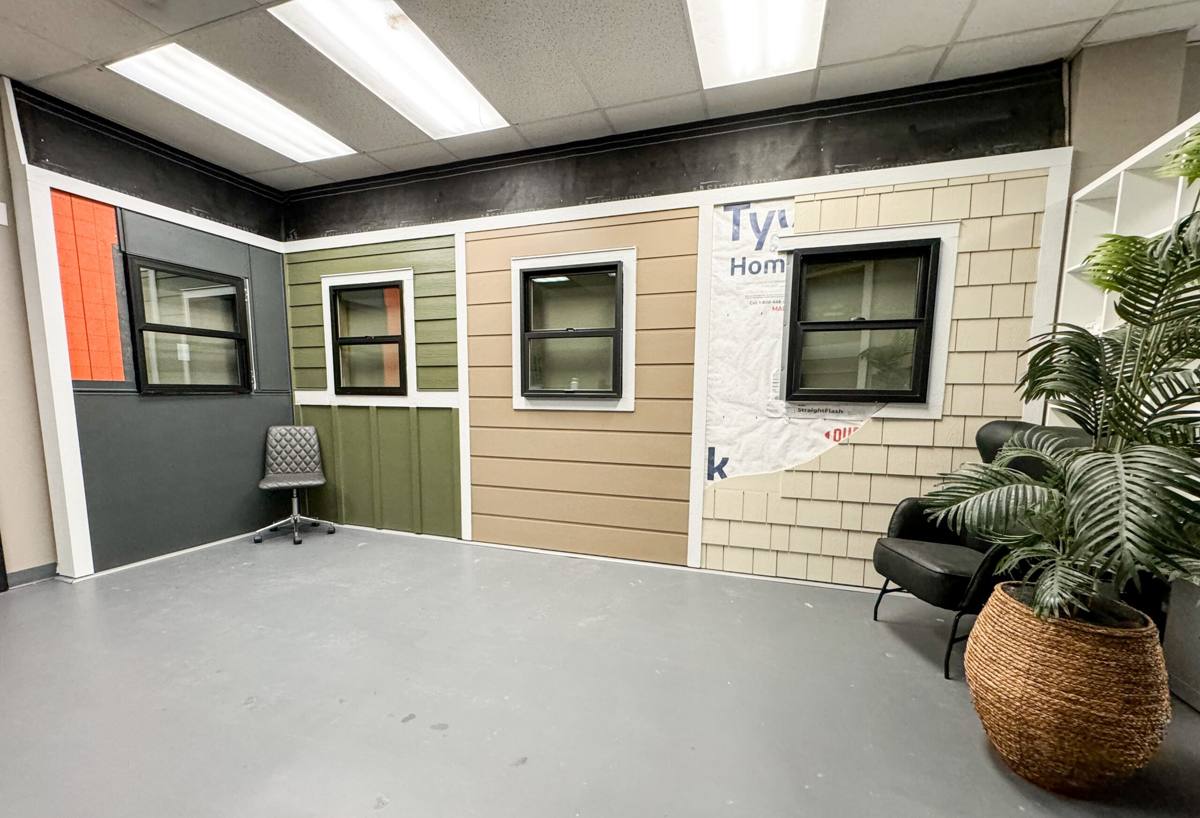
What "Custom" Actually Means for a Kenneth City Home
A lot of homeowners hear "custom windows" and assume it just means an upcharge for something fancy. In practice, custom work solves practical problems that stock windows can't:
- Out-of-square or settled openings — common in older Pinellas County housing stock where framing has shifted slightly over decades.
- Non-standard sizes — bay windows, transom combinations, or openings that don't match modern manufacturer dimensions.
- Matching sightlines across a facade — keeping frame width and grille pattern consistent when replacing some windows but not all at once.
- Glass package tuned to orientation — a west-facing wall baking in afternoon sun needs a different glass spec than a shaded north wall.
None of that is upselling. It's the difference between a window that's caulked and shimmed into a rough opening versus one that's actually built to fit and perform in that spot.
Common Window Styles We Build and Install
Most Kenneth City homes end up choosing from a short list of proven styles, each with its own trade-offs:
- Single-hung and double-hung — the standard for most block homes; double-hung adds a tilt-in sash for cleaning upper floors.
- Casement — crank-out sashes that seal tightly against wind-driven rain, a real advantage in this climate.
- Picture and fixed — no moving parts, so fewer seal points to fail, good for larger unobstructed openings.
- Sliding/gliding — space-efficient where a swing-out sash isn't practical.
Impact vs. Non-Impact: An Honest Look
Florida Building Code in Pinellas County requires either impact-rated windows or approved shutter protection on openings, depending on the wind zone and the home's specific engineering. For Kenneth City, given the exposure to Gulf-driven storm systems, we generally steer customers toward impact-rated glass on replacement projects, even when code would technically allow a shutter workaround. Our reasoning is simple: shutters only work if someone is home to deploy them (or if they're permanently mounted, which changes the look of the house), while impact glass protects the opening around the clock without any action needed.
That said, impact glass isn't automatically the right call for every opening — a shaded interior porch window or a non-habitable utility room may not need the same spec as a primary bedroom facing open exposure. Part of our job is telling you honestly where the upgrade earns its cost and where it doesn't.
| Frame Material | How It Handles Salt Air & UV | Maintenance | Typical Fit |
|---|---|---|---|
| Vinyl | Won't corrode; UV-stable formulations resist chalking | Low — occasional cleaning | Most residential replacements |
| Aluminum | Strong but can pit or corrode near heavy salt exposure over time without coatings | Moderate — watch fasteners and finish | Larger openings, some impact applications |
| Fiberglass | Excellent stability in heat and humidity, resists warping | Low | Higher-end replacements, larger sizes |
| Wood-composite | Needs protection from moisture intrusion at the coast | Higher — sealant and finish upkeep | Interior-facing or historic-look projects |
Signs Your Current Windows Are Working Against You
Homeowners often wait longer than they should because the symptoms show up gradually. Worth checking your own windows against this list:
- Visible fogging or moisture between panes (seal failure — can't be fixed, only replaced)
- Frames that feel soft, chalky, or discolored from UV exposure
- Sashes that stick, won't stay open, or are hard to lock
- Noticeable draft or water intrusion during wind-driven rain
- Rising cooling bills without other explanation
- Visible daylight or gaps around the frame from outside
- Corrosion on hardware, hinges, or fasteners
Any one of these on its own might just need a repair. Several at once, especially on a home with original windows, usually means it's time to talk about replacement.
How Our Process Works
- On-site assessment. We measure every opening individually — no assuming uniform sizes — and check for framing issues, moisture damage, or settling that needs to be addressed before new windows go in.
- Product and glass selection. We walk through frame material, glass package, and impact rating options based on each opening's exposure and your budget, not a one-size push toward the most expensive option.
- Permitting. Window replacement in Pinellas County typically requires a permit, and impact-rated products need to meet specific approval documentation. We handle that paperwork so it's not sitting on your desk.
- Custom fabrication. Windows are built to the actual measured openings rather than forced to fit standard sizes.
- Installation. Old units are removed, openings are inspected and prepped (flashing, sealant, framing repair as needed), and new windows are set, shimmed, and sealed to manufacturer and code specification.
- Final inspection and walkthrough. We confirm proper operation on every unit and walk the job with you before calling it done.
Why the Opening Prep Matters as Much as the Window
A high-end window installed into a poorly prepped opening will fail early — usually through water intrusion at the frame edges rather than through the glass itself. Correct flashing and sealant work at the rough opening is what actually keeps wind-driven rain out during a storm, regardless of how good the window itself is. This is the step that gets rushed on lower-quality jobs and the one we spend real time on.
Permits, Wind Zones, and Why It's Not Optional to Skip
Pinellas County enforces Florida Building Code wind-borne debris and pressure requirements based on the property's specific wind zone. Skipping the permit process on window replacement isn't just a paperwork risk — it can affect insurance claims and resale disclosures down the road if the work isn't documented and inspected properly. Any legitimate contractor working in Kenneth City should be pulling permits on replacement window work as a matter of course, not as an upsell.
Cost Factors Worth Understanding Before You Get Quotes
Exact pricing depends on size, glass spec, and quantity, but the factors that move the number are consistent across most projects:
| Factor | Why It Affects Cost |
|---|---|
| Impact vs. non-impact glass | Impact-rated glass and reinforced framing cost more upfront but remove the need for separate shutter systems |
| Frame material | Vinyl is typically the most budget-friendly; fiberglass and some aluminum applications run higher |
| Number of custom (non-standard) sizes | Non-standard openings require individual fabrication rather than stock sizing |
| Opening condition | Rot, settling, or prior water damage adds prep and repair work before installation |
| Whole-house vs. phased replacement | Doing all openings at once is usually more efficient than several smaller phases |
Broadly, homeowners in this area should expect a wide range depending on how many of these factors apply — anywhere from a modest per-window cost for standard vinyl replacements up into a considerably higher range for full impact-rated, custom-sized installations. We give straight, itemized numbers during the estimate rather than a vague ballpark, because the range genuinely is that wide.
Maintenance That Actually Extends the Life of the Investment
Even well-built windows need basic upkeep in this climate:
- Rinse frames periodically to clear salt residue, especially on homes closer to open exposure
- Check and clean weep holes so water can drain properly out of the frame
- Inspect exterior caulking annually and touch up before it cracks or separates
- Lubricate hardware on operable windows to keep locks and hinges functioning smoothly
- Address any soft spots in surrounding trim or stucco promptly, before moisture spreads
Why Hiring a Crew That Already Works in Kenneth City Matters
Window replacement here isn't a generic national job. It means understanding this specific wind zone's code requirements, knowing what Pinellas County's permitting office expects on documentation, and having actually installed windows on homes with the same age, construction type, and coastal exposure as yours. A crew that works this specific area regularly isn't guessing at any of that — it's routine. That familiarity shows up in fewer surprises during permitting, fewer callbacks for seal or flashing issues, and a straighter answer when you ask what your home actually needs versus what would just be nice to have.
If you're weighing repair versus replacement, or just want a clear-eyed look at what your current windows are costing you in comfort and energy bills, we're glad to come take a look. The estimate is free, there's no pressure attached to it, and you'll get a straight answer either way — just fill out the form below to get started.