 Seminole Siding
 Asphalt Shingle Roofing Built for Largo's Climate
Largo sits in the middle of Pinellas County, close enough to both the Gulf and Tampa Bay that homes here take a beating from two directions: salt-laden air moving in off the water, and the humidity and afternoon storms that build up over the peninsula. An asphalt shingle roof installed correctly for this location has to do more than shed rain. It has to survive sustained UV exposure nearly every day of the year, resist wind uplift during tropical systems and seasonal thunderstorms, and hold up against the fine salt residue that settles on every exterior surface within several miles of the coast. A shingle roof that was installed the same way you'd install one in Ohio or Georgia will not perform the same way in Largo, even if the shingle itself is a good product.
We work on roofs throughout Seminole and the surrounding Pinellas County communities, and Largo is one of the areas we're in regularly. That matters more than it sounds like it should, because a lot of what separates a shingle roof that lasts from one that fails early has nothing to do with the shingle brand and everything to do with the details underneath it — details that are easy to get wrong if you're not used to building for this specific climate.
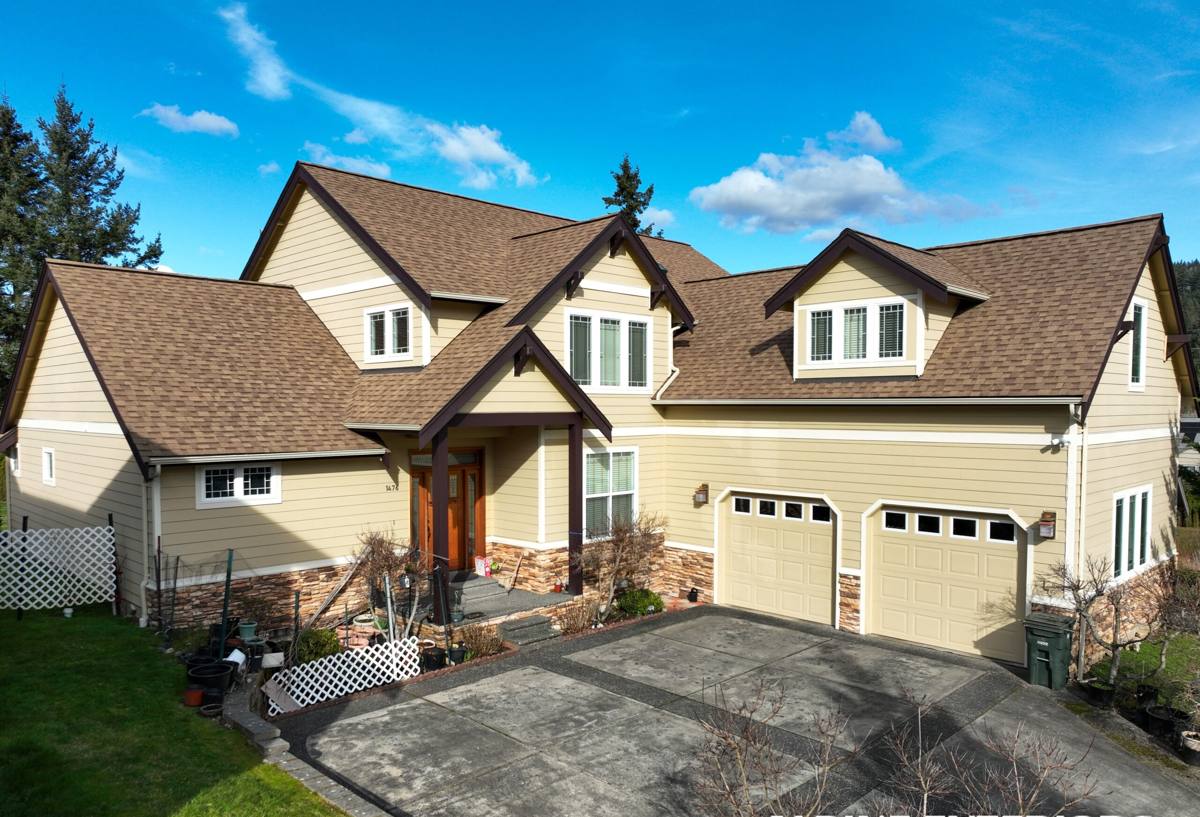
What Largo Homes Actually Need From a Shingle Roof
Wind Performance
Florida's building code sets minimum wind-resistance requirements for roofing in coastal counties, and Pinellas County enforces those requirements at permitting and inspection. But code minimums are a floor, not a ceiling. The difference between a roof that loses shingles in a strong summer squall and one that doesn't usually comes down to nailing pattern, nail placement, and whether the starter strip and hip/ridge shingles were installed with the correct adhesive bond — not the wind rating printed on the shingle wrapper.
UV and Heat Cycling
Largo gets strong, direct sun for most of the year. Asphalt shingles are engineered to tolerate UV, but the granules on the surface are what actually block it, and those granules wear down faster on roofs with poor attic ventilation, because trapped heat bakes the underside of the shingle in addition to the sun baking the top. A roof that runs hot from below ages faster than one that vents properly, even with an identical shingle.
Wind-Driven Rain
Straight-down rain is easy for any roof to handle. Wind-driven rain — the kind that comes in sideways during a thunderstorm or tropical system — is what finds the gaps in flashing, valleys, and underlayment laps. Largo sees this pattern often enough that underlayment choice and installation sequence matter as much as the shingle itself.
Salt Air
Salt doesn't damage asphalt shingles the way it corrodes metal, but it accelerates the corrosion of exposed fasteners, drip edge, and flashing if those components aren't rated for coastal exposure. Over years, corroded flashing is a common source of roof leaks that have nothing to do with the shingles themselves.
What a Correct Asphalt Shingle Roof Installation Involves
A shingle roof is a system, not a single product. Each layer has a job, and skipping or shortcutting one undermines the whole system regardless of how good the shingle is.
- Deck inspection and repair — plywood or OSB decking is checked for soft spots, delamination, and old nail damage before anything new goes down; any compromised decking gets replaced, not covered over.
- Drip edge — corrosion-resistant metal edging installed at eaves and rakes to direct water away from the fascia and give the shingles a clean edge to bond to.
- Underlayment — a synthetic or self-adhered underlayment layer that acts as the roof's backup waterproofing if wind or debris ever compromises the shingles above it.
- Valley and flashing work — valleys, wall intersections, and roof penetrations (vents, stacks, chimneys) get metal or membrane flashing sized and lapped correctly for the water flow at that specific point.
- Starter strip — a dedicated starter course along eaves and rakes, not just a row of shingles cut down, so the first course bonds and seals correctly.
- Shingle field installation — nailed to the pattern the manufacturer specifies for high-wind zones, with attention to nail depth (not overdriven, not underdriven) and correct offset between courses.
- Hip and ridge caps — installed with matching cap shingles and proper nailing, since this is the highest-wind-exposure part of the roof.
- Attic ventilation check — intake and exhaust ventilation balanced so heat and moisture don't build up under the deck.
Our Process on a Largo Reroof
1. On-Site Inspection and Estimate
We walk the roof (or use a closer visual and measurement process when the roof isn't safely walkable), check the deck condition where accessible, look at ventilation, flashing, and any problem areas, and put together a written estimate that spells out what's included — not just a square footage price.
2. Material Selection
We go over shingle options with you at a level of detail that matches how you actually make the decision — some homeowners want the least expensive code-compliant option, others want a higher wind rating or a specific look. We'll tell you honestly where the real differences are and where you'd just be paying more for a name.
3. Permit and Scheduling
Reroofs in Pinellas County require a permit and inspection. We handle the permit application and coordinate the inspection so you don't have to track down paperwork on your own.
4. Tear-Off and Deck Prep
Old roofing comes off down to the deck, the deck gets inspected and repaired as needed, and the site gets protected (landscaping, gutters, and property) before any new material goes on.
5. Installation
Underlayment, flashing, starter, field shingles, and ridge caps go on in that order, built to the wind-resistant nailing and flashing details described above.
6. Final Inspection and Cleanup
We do a final walk-through, make sure the county inspection passes, and clean the property of debris and nails using a magnetic sweep.
Choosing Shingles for a Largo Home
Most asphalt shingles sold today fall into a few general categories. The right one depends on your budget, how long you plan to stay in the home, and how much wind and impact resistance you want built in.
| Shingle Type | Typical Wind Rating | Best For | Trade-Off |
|---|---|---|---|
| 3-Tab (Standard) | Lower end of code range | Budget-focused reroofs, rentals | Shorter service life, flatter appearance |
| Architectural / Laminate | Mid-to-high range | Most owner-occupied homes | Higher upfront cost than 3-tab |
| Impact-Resistant (Class 4) | Highest available in asphalt | Homes seeking insurance premium credits | Highest material cost; not every insurer offers a discount |
We don't push a specific brand as inherently superior — the honest answer is that installation quality affects wind performance and leak resistance more than which manufacturer's name is on the shingle. Where we are selective is in avoiding shortcuts some crews use to save labor time, like skipping starter strip, hand-sealing instead of proper nailing, or reusing old flashing that's already corroded from salt exposure. Those shortcuts show up as problems years later, not on day one.
Why a Local Largo Crew Makes a Difference
A roofing crew that already works in Largo and the rest of Seminole and Pinellas County knows the local permitting process, understands what the county inspectors are checking for, and has seen how roofs in this specific area actually fail over time — which is different from how roofs fail in inland, non-coastal parts of the state. That local pattern recognition affects real decisions: which flashing detail to use on a particular roof style, how much ventilation a specific attic configuration needs, and which parts of a roof to double-check because they're the ones that tend to give out first this close to the water.
There's also a simple accountability argument. A local crew is going to be back in your neighborhood next month and next year. If something isn't right, we're not far away and we're not hard to find.
Signs Your Largo Roof May Need Attention
- Granules collecting in gutters or at downspout outlets
- Shingles that look curled, cracked, or lifted at the edges
- Visible bare spots where granules have worn away
- Dark streaking (often algae, not necessarily a structural issue, but worth having checked)
- Soft spots underfoot if you're ever on the roof for another reason
- Daylight visible through the roof deck from inside the attic
- Water stains on interior ceilings, especially after a windy rainstorm
Any one of these on its own isn't necessarily an emergency, but they're worth having looked at before the next storm season rather than after.
Maintenance That Extends Roof Life in This Climate
Asphalt shingle roofs in coastal Pinellas County generally benefit from a bit more attention than the same roof would need further inland. Keeping gutters clear so water doesn't back up under the shingle edge, trimming overhanging branches that hold moisture against the roof surface, and having the roof looked at after any named storm are all low-cost habits that catch small problems before they become deck-level repairs. We're happy to do a post-storm check for past clients even outside of a full inspection — it's a quick thing that can save a much bigger repair down the line.
Get a Straightforward Estimate
If you're dealing with an aging shingle roof in Largo, storm damage, or you just want an honest read on how many years you've got left before it needs replacing, we're glad to take a look. Fill out the form below for a free, no-pressure estimate — we'll tell you what we actually see, not just what sells a job.