 Seminole Siding
 Building a Deck That Actually Holds Up in Largo
Largo sits close enough to the Gulf and to Tampa Bay that salt-laden air, near-constant UV exposure, and wind-driven rain are just part of owning a home here. A deck built the way it would be built inland — standard fasteners, unflashed ledger boards, shallow footings — doesn't last in Pinellas County. It rusts, cups, delaminates, or comes loose at exactly the connections that matter most in a storm. A deck built for this climate looks the same from the street, but the parts you can't see are what keep it standing through a decade of Florida summers.
This page covers what a correct deck build or replacement involves for a Largo property specifically — the materials, the hardware, the structural details, and the process — not generic deck-building advice.
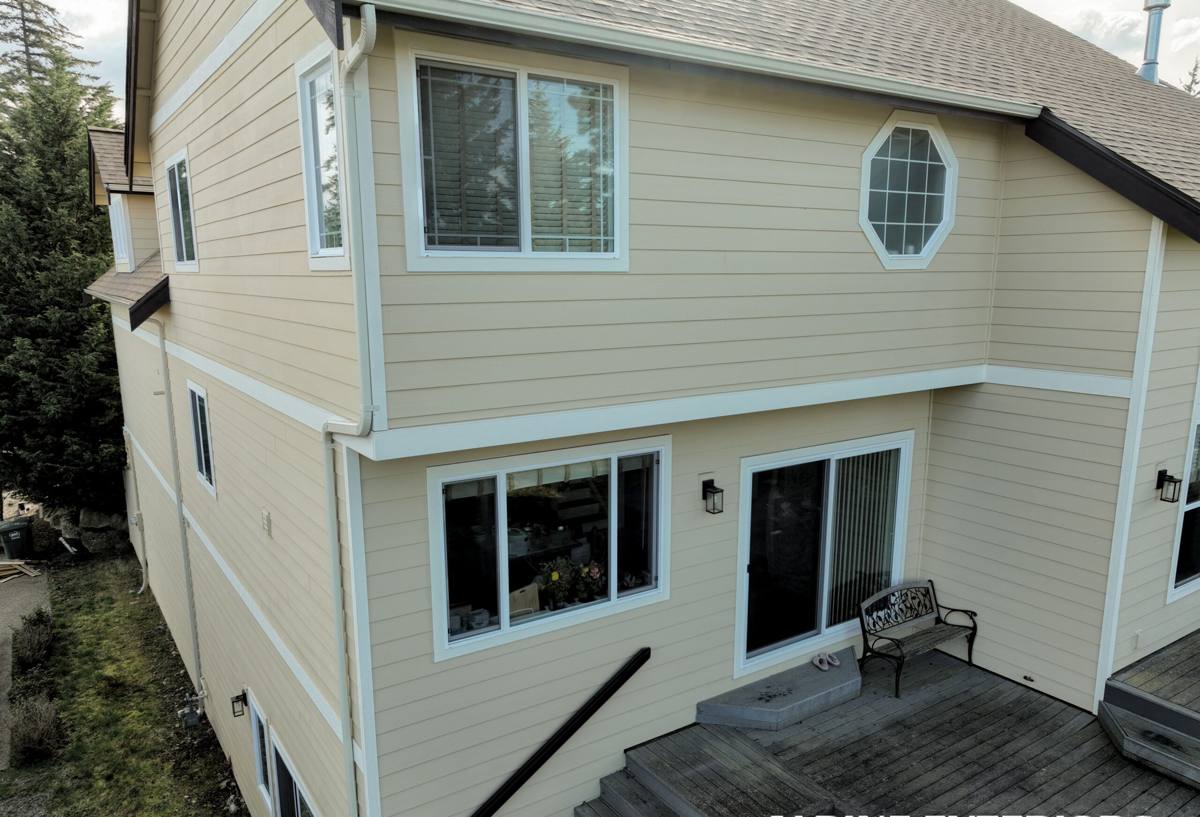
What Largo's Climate Does to a Deck
Salt Air and Corrosion
Even properties several miles from open water get salt drift in Pinellas County, and it's relentless on metal. Standard hot-dip galvanized fasteners and joist hangers will eventually rust, streak the decking, and weaken at the exact points holding the structure together. This shows up first as rust stains bleeding through the boards around screw heads and hanger tabs — a cosmetic warning sign of a structural problem underneath.
UV Exposure, Year-Round
Florida sun doesn't take an off-season. Wood decking greys and checks, composite boards can fade or chalk if the cap layer is thin, and finishes on railings and structural wood break down faster than they would up north. UV is also why color and finish choice matters as much as species or brand — a poorly rated finish can look worn within a couple of summers.
Wind-Driven Rain and Standing Water
Largo gets intense, sideways rain during summer storms and the tail ends of tropical systems. Water gets pushed into places a light drizzle never would — behind ledger boards, into end grain, under railing post bases. A deck that isn't detailed to shed and drain that water aggressively will trap moisture, and trapped moisture is what actually rots framing and corrodes fasteners, not the rain itself.
Hurricane-Force Wind Loads
Pinellas County building code reflects the real wind exposure here, and a deck's connections to the house and to its footings are what get tested in a named storm. Ledger attachment, joist hangers, post-to-beam connections, and guard/rail anchoring all need to meet that load — not just look sturdy.
What a Correct Deck Build Involves
Ledger Attachment and Flashing
Where the deck ties into the house is the single most important detail on the entire structure, and it's also the most common place we find problems on decks we're asked to replace. The ledger needs to be through-bolted (not just lag-screwed) into solid framing, and it needs proper flashing that directs water out and away from the house wall rather than letting it wick behind the siding. On a home with fiber cement or vinyl siding, this connection has to be integrated correctly with the existing cladding or it becomes a long-term moisture entry point regardless of how good the deck itself is.
Footings Sized for Real Wind Uplift
Footing depth and diameter aren't a guess — they're sized to the load path of the specific deck, factoring in local wind exposure and soil conditions. Undersized or shallow footings are one of the more common shortcuts we see on older decks, and they're a big part of why some decks rack or shift after a few years even without any visible damage.
Corrosion-Resistant Hardware Throughout
For coastal and near-coastal Pinellas County work, that means stainless steel or coated fasteners and connectors rated for the exposure, used consistently — not just at the ledger. Mixing metals (for example, a stainless screw driven into a standard galvanized hanger) can actually accelerate corrosion at the contact point, so hardware compatibility matters as much as the individual pieces.
Decking Board Gaps and Fastening Pattern
Board spacing has to account for both drainage and the material's thermal and moisture movement — composite and PVC expand and contract differently than wood, and gaps that are too tight will buckle boards; gaps that are too wide catch debris and hold water. Fastening pattern also affects how a board handles wind uplift at the edges of the deck, which is where failures start.
Railing and Guard Structural Integrity
Railings take direct wind load and also get leaned on constantly, so post attachment to the frame has to be a genuine structural connection, not a surface-mounted bracket. This is a common weak point on older or DIY decks in this area.
Choosing a Decking Material for This Climate
There's no single "best" decking material — it's a real trade-off between upfront cost, maintenance, and how the material behaves in salt air and Florida sun. Here's how the common options actually compare for a Largo property:
| Material | Maintenance | UV/Fade Behavior | Salt Air Resistance | Typical Lifespan |
|---|---|---|---|---|
| Pressure-treated wood | Annual sealing/staining recommended | Greys and checks without upkeep | Fasteners are the weak point, not the wood itself | 10–15 years with upkeep |
| Composite decking | Occasional cleaning, no sealing | Varies by brand/cap quality; better lines resist fading well | Board itself handles salt air well | 20–30 years |
| PVC/capped polymer | Low; occasional cleaning | Generally strong color retention | Excellent — inert to salt exposure | 25+ years |
| Tropical hardwood | Regular oiling to maintain appearance | Greys without maintenance; very durable underneath | Dense wood holds up well; hardware still needs to be corrosion-rated | 20-25+ years with upkeep |
Whichever decking you choose, the substructure — framing, hardware, footings — should be built to the same standard. A premium composite board on top of undersized, poorly fastened framing is still a deck with a short lifespan.
Signs an Existing Largo Deck Needs Attention
- Rust streaks bleeding through the decking around screws or hardware
- Soft, spongy, or spring-feeling boards, especially near the house
- Visible gaps or movement where the ledger meets the house
- Railings that flex or feel loose when leaned on
- Fasteners backing out or heads that have corroded and rounded off
- Cupping, splitting, or graying wood that's gone untreated for several years
- Water pooling on the deck surface instead of draining through
Any one of these on its own might just be cosmetic. Several together, especially near the ledger or footings, usually means it's worth having someone look at the structure, not just the surface.
How Our Process Works
1. On-Site Assessment
For a new deck, we walk the site and talk through how you'll actually use the space, sun exposure, and how it should tie into the house. For a replacement, we also check the ledger connection, framing condition, and footings before quoting anything.
2. Material and Layout Discussion
We'll walk through decking material trade-offs honestly, including where a lower-maintenance option makes sense versus where wood fits the look you want, and size the structure to the load and wind requirements for the site.
3. Permitting
Deck construction in Pinellas County requires permitting, and the plans need to reflect the actual structural details — footing size, hardware spec, ledger attachment — not just a sketch of the layout. We handle this as part of the build.
4. Construction
Ledger and flashing first, footings and framing next, then decking and railings. Every connection uses hardware rated for the exposure, not just what's convenient.
5. Final Walkthrough
We check the deck with you before calling the job done — including the details you won't see again once decking is down, like ledger flashing and hardware.
Why a Crew That Already Works Largo Matters
Deck-building fundamentals don't change by zip code, but the details that make a deck actually last do. A crew that regularly works Largo and greater Pinellas County already knows what the local wind and flood provisions require, has already seen how salt air treats different hardware and finishes over a few years, and isn't learning those lessons on your project. That familiarity shows up in the parts of the job that are easy to shortcut and hard to inspect after the fact — the ledger flashing, the footing depth, the hardware spec — which is exactly where a deck earns or loses its lifespan.
Get a Straight Answer on Your Deck Project
Whether you're planning a new custom deck or need an honest look at whether an existing one is still sound, we're happy to come take a look. The estimate is free, there's no pressure, and you'll get a clear explanation of what your project actually needs — use the form below to get started.