 Seminole Siding
 Why Madeira Beach Roofs Don't Last Like Inland Roofs
A roof in Madeira Beach works harder than a roof a few miles inland in Seminole. Sitting right on the Gulf, homes here take on salt-laden air almost every day of the year, along with higher sustained wind loads and more frequent wind-driven rain than you'll see on the mainland side of Pinellas County. None of that is dramatic on its own, but it adds up fast: fasteners corrode sooner, shingle granules erode faster under constant sun and salt exposure, and flashing seams get tested by wind-driven water in a way inland roofs rarely experience. If you own a home on the barrier island, your roof is quite literally on the front line of the weather, and it should be replaced and built accordingly — not treated like a standard suburban reroof.
This page is specifically about roof replacement for Madeira Beach properties — what local homes need, what the job should actually include, and why hiring a crew that already works this stretch of coastline makes a real difference in how the roof performs five, ten, and twenty years down the road.
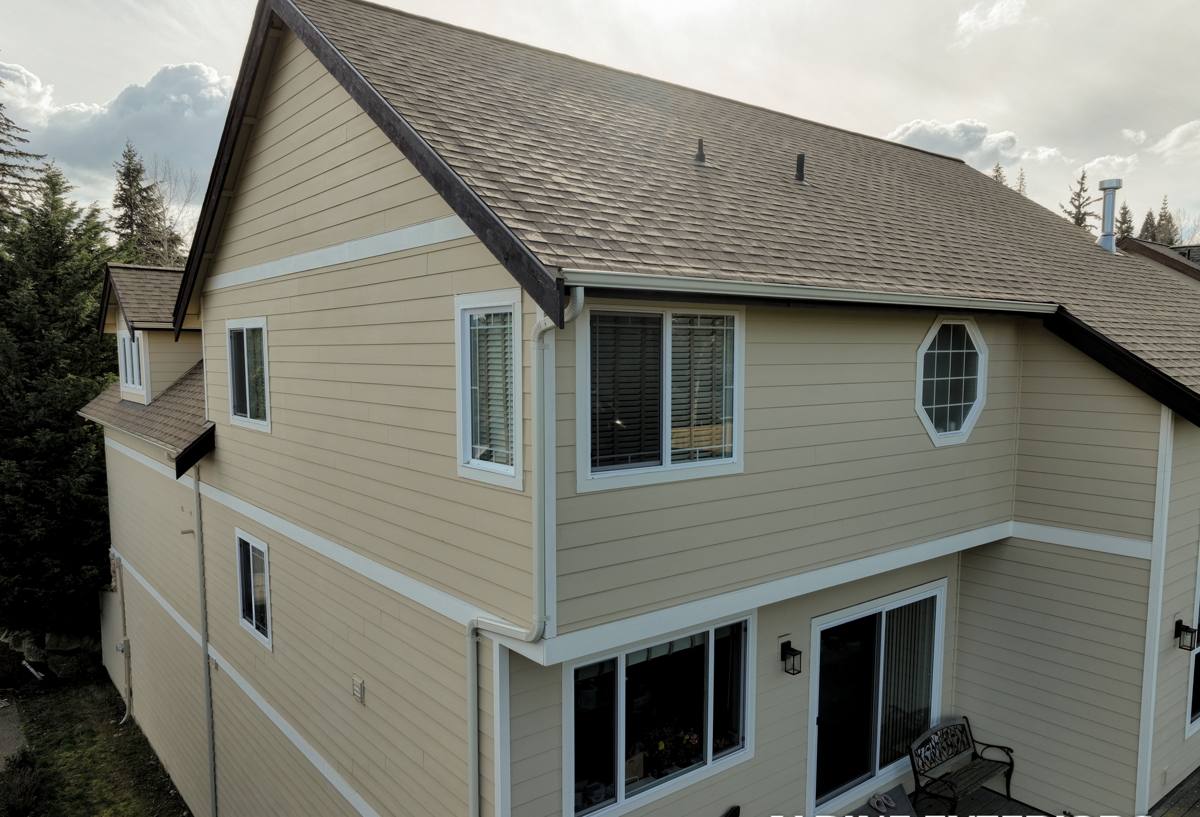
Signs a Madeira Beach Roof Is Due for Replacement
Coastal wear doesn't always show up the way inland roof damage does. Salt air and constant UV tend to age a roof from the inside out — the surface can look okay while fasteners, underlayment, and flashing are already failing underneath. Homeowners here should watch for:
- Granule loss showing up in gutters or at downspout splash areas
- Rust staining around nail heads, flashing, or vent boots
- Shingles that look "curled" or lifted at the edges, especially on the windward side of the roof
- Soft spots or sagging near valleys, where wind-driven rain tends to concentrate
- Ceiling stains that appear only during wind-driven storms, not calm rain
- A roof that's 15-20+ years old with no major work done, regardless of how it looks from the ground
Any one of these is worth a look. Several together usually mean replacement is the more honest answer than another round of patch repairs.
What a Correct Roof Replacement Actually Involves
Full Tear-Off, Not a Layover
On a barrier island roof, we don't recommend installing new shingles over old ones. A layover hides deck problems, traps moisture between layers, and adds weight without adding wind resistance. A full tear-off lets us see the deck itself — which matters a lot in a salt-air environment where deck fasteners and sheathing can deteriorate without any visible sign from the attic side.
Deck Inspection and Repair
Once the old roofing is off, the decking gets inspected board by board. Any wood that's soft, delaminated, or fastener-worn gets replaced before anything new goes down — this is the step that gets skipped by crews trying to move fast, and it's the one that determines whether the new roof actually holds up to Gulf wind.
Underlayment Built for Wind-Driven Rain
Standard felt underlayment is not enough for a home this close to the water. We use synthetic or self-adhering underlayment at valleys, eaves, and penetrations, sized to handle wind-driven rain that gets pushed sideways and upward under the roof covering during storms — which is how most coastal roof leaks actually start.
Flashing Done Right
Chimneys, walls, skylights, and vent penetrations are where roofs fail first in wind, not in the open field of shingles. Correct step flashing, counterflashing, and sealant choices matter more here than almost anywhere else in the job.
Fastening for Wind Uplift
Nail pattern, nail type, and fastener spacing are not cosmetic details — they're what keeps a roof attached during a wind event. We fasten to the wind-uplift standard the job requires, not the minimum that happens to be cheaper.
Ventilation
A roof that can't breathe traps heat and moisture, which shortens the life of shingles and decking alike. Ridge and soffit ventilation gets checked and corrected as part of the replacement, not treated as a separate add-on.
Material Options for a Madeira Beach Home
There's no single "right" material for every barrier island roof — it depends on the home's structure, budget, and how long the owner plans to keep it. Here's how the common options actually compare for this specific environment:
| Material | Coastal Wind/Salt Performance | Typical Lifespan Here | Trade-Offs |
|---|---|---|---|
| Architectural (laminate) shingles | Good with proper fastening and high wind-rated products | 15-25 years | Most affordable upfront; needs correct install and periodic inspection near coast |
| Standing seam metal | Excellent — handles wind uplift and salt exposure very well | 30-50 years | Higher upfront cost; needs coastal-grade fasteners and coatings to avoid corrosion |
| Tile (concrete or clay) | Very good wind performance when properly fastened | 30-50 years | Heavier — requires structural check; underlayment failure is hidden until tiles are lifted |
| Flat/low-slope membrane (for additions, porches, flat sections) | Good with correct drainage design | 15-20 years | Common on beach cottages with additions; drainage detail is critical near sea-level lots |
We'll walk through which of these actually makes sense for your roof's shape, structure, and your own plans for the home — not push a single product as the answer for everyone.
Why We're Selective About Certain Products
Some lower-tier shingle lines and lightweight underlayments are simply not built with this exposure in mind — they're engineered for average inland wind and moisture conditions. We don't install them on barrier island homes as a matter of professional standard, not because any one product is "bad," but because the maintenance burden and failure risk they carry isn't worth it a quarter-mile from the Gulf. We'll always explain the reasoning behind a material recommendation rather than just naming a brand.
Florida Building Code and Wind Requirements
Pinellas County enforces the Florida Building Code's wind provisions, and a barrier island property like a Madeira Beach home typically sits in a higher wind-speed design zone than roofs further inland. That affects required nailing patterns, underlayment type, and in some cases the products that are code-eligible for the job. Permitting and inspection are part of a legitimate roof replacement here — not paperwork to skip. We pull the permit, coordinate the required inspections, and build to the wind rating the job actually calls for, so the roof is compliant and properly documented if you ever sell the home or file an insurance claim.
Our Replacement Process
- On-site inspection of the current roof, decking, flashing, and attic ventilation
- Straightforward written estimate covering material options, scope, and code requirements for your address
- Permit pulled with the City of Madeira Beach/Pinellas County before work starts
- Full tear-off, deck inspection and repair, then new underlayment, flashing, and roofing material
- Final walkthrough and inspection sign-off, with photos of the completed work for your records
We also coordinate scheduling around barrier island access — narrow streets, limited staging space, and in some cases HOA or condo association notice requirements that inland Seminole jobs don't have to think about.
Why Local Experience in Madeira Beach Matters
A crew that works this stretch of coastline regularly already knows the things that catch outside contractors off guard: how tight staging is on many barrier island lots, what the permitting office expects for wind-rated assemblies, how quickly salt air corrodes standard fasteners versus coastal-rated ones, and how afternoon Gulf storms affect scheduling and tarping decisions mid-project. That local familiarity shows up in fewer surprises during the job and a roof that's actually built for where it sits, not a generic install adapted after the fact.
Homeowner Pre-Replacement Checklist
- Confirm the age of your current roof and whether any past repairs were documented
- Ask any contractor for their wind-rated fastening plan in writing, not just a verbal assurance
- Check whether your HOA or condo association requires notice or approval before work begins
- Request the permit number once it's pulled — this is public record and confirms the job is code-compliant
- Ask how attic ventilation will be handled, not just the roof covering itself
- Get a written scope covering tear-off, decking repair allowance, underlayment type, and flashing details
What Happens After the Roof Is Replaced
A new roof in this environment still benefits from a periodic look — after major storms, and roughly once a year otherwise — to catch anything like lifted flashing or debris buildup around valleys before it becomes a leak. We're happy to talk through a simple maintenance rhythm that fits how you use the home, whether it's a full-time residence or a place you visit seasonally.
If your Madeira Beach roof is showing its age or you just want an honest read on where it stands, we're glad to come take a look. There's a free, no-pressure estimate form below whenever you're ready.