 Seminole Siding
 Building New on a Barrier Island Changes What a Window Needs to Do
Redington Beach sits on a narrow strip of land between the Gulf of Mexico and the Intracoastal, and that location changes the math on every window in a new build. A window on an inland Seminole lot, shielded by other homes and tree cover, is dealing with a fraction of the wind load a window on an open, waterfront barrier island lot has to withstand. When you're framing a house from the ground up, you get one real chance to put the correct window in the correct opening, tied into the wall assembly the right way. Get it wrong and you're not just risking a leak — you're risking a failed inspection, a voided warranty, or a window that becomes the weak point in the whole building envelope during the next named storm.
This page is specifically about new-construction window installation for Redington Beach homes — new builds and full teardown-rebuilds, not swapping windows into an existing house. The distinction matters more than most homeowners realize, and it drives almost every decision that follows.
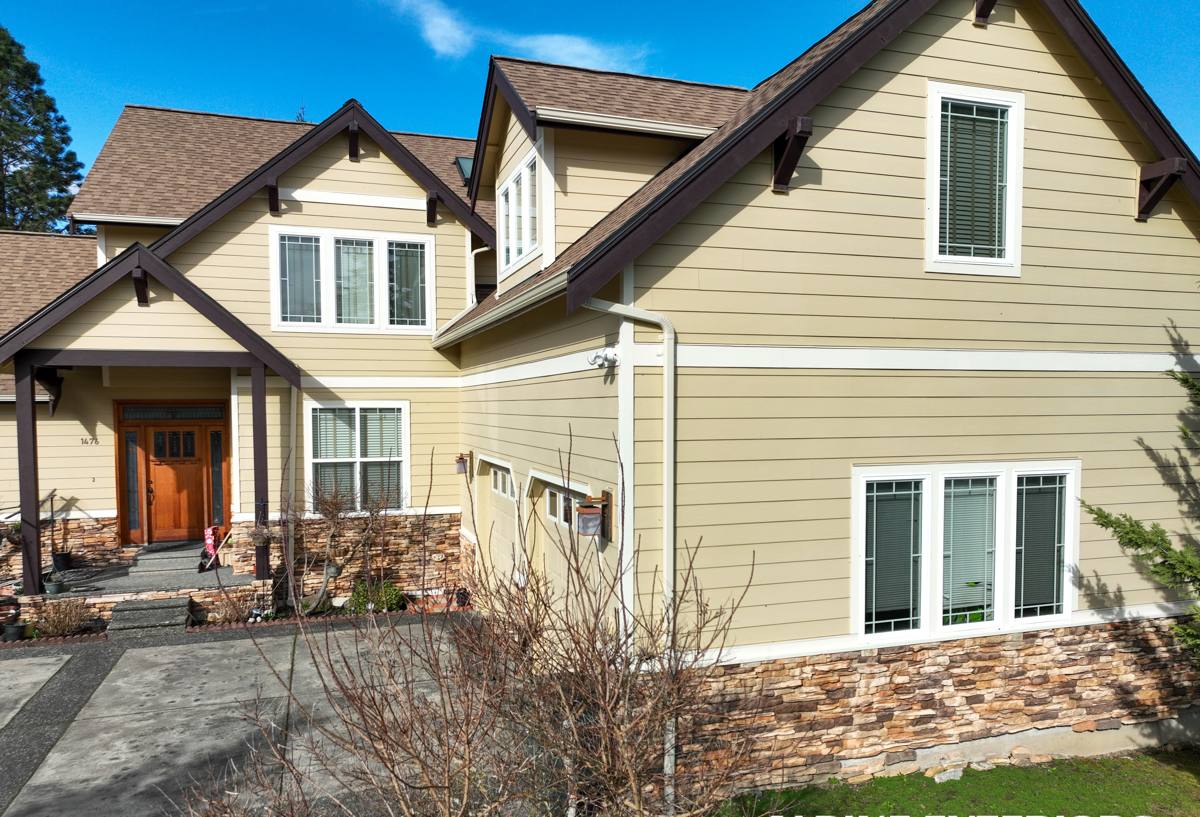
New Construction vs. Replacement: Why the Difference Isn't Just Paperwork
A "new-construction" window has a nailing flange (fin) around the frame that gets fastened directly to the sheathing and integrated into the house wrap and flashing before stucco, siding, or brick veneer goes on. A "replacement" window, by contrast, is built to slide into an existing rough opening without disturbing the exterior finish. They are not interchangeable, and using the wrong one — or having the wrong crew install the right one — creates problems that don't show up until the first hard wind-driven rain.
Why This Matters More on a New Build
On new construction, the window installer isn't working around finished walls — they're part of the wall assembly itself. That means the water management plan for the entire house (house wrap, flashing tape, sill pans) has to be built around each window opening correctly the first time, because once stucco or siding closes it in, it's closed for good. There's no redo without demolition.
What Florida Code Expects From a Redington Beach New Build
Pinellas County's coastal communities, Redington Beach included, fall inside Florida's wind-borne debris region under the Florida Building Code. Practically, that means new-construction windows here need to carry a valid Florida Product Approval (or Miami-Dade Notice of Acceptance, which many coastal-grade products carry as the more rigorous benchmark) rated for the specific design wind pressure of that home's location and exposure.
Exposure category is a big deal on a barrier island. A lot with open, unobstructed wind flow off the Gulf or the bay gets classified differently — and generally more severely — than a comparable lot a few miles inland in Seminole. That exposure category, combined with the home's height and roof geometry, sets the design pressure rating every window on the job has to meet or exceed. Skipping this step, or using a generic "hurricane window" without checking it against the engineered wind load for that specific address, is one of the most common ways a new build fails inspection or ends up under-protected.
Impact Glass vs. Shutter Protection
Florida code allows either impact-rated glazing or an approved shutter/panel system as the method of windborne-debris protection. On new construction we generally steer clients toward impact glass rather than relying on shutters, because impact glass protects the opening whether or not anyone is home to deploy panels before a storm, and it also cuts down on UV transmission and outside noise year-round — a real benefit given how much direct sun and salt air this stretch of coast gets every month of the year, not just during hurricane season.
The Part Nobody Sees: Flashing and Water Management
Most window failures on the coast aren't glass failures — they're water intrusion failures around a poorly flashed opening. On new construction, we build a sill pan at the base of every rough opening before the window ever goes in, so that any water that gets past the window itself (through wind-driven rain, not defects) drains back out to the exterior instead of into the wall cavity. Flashing tape gets integrated with the house wrap in the correct shingle-lap sequence — bottom, sides, then top — so water always sheds downward and outward, never behind the previous layer.
This sounds basic, and it is, but it's also the step most likely to get rushed on a tight framing schedule. On a Redington Beach lot exposed to salt-laden, wind-driven rain coming off open water, a flashing detail that would be forgiving on an inland home is not forgiving here. Get it right once during framing and it's invisible for the life of the house. Get it wrong once and it can mean hidden rot or mold inside a wall years before anyone sees a stain.
Choosing Frames and Glass for This Exposure
Salt air is corrosive to hardware, fasteners, and some frame finishes, and it doesn't take a beachfront lot to feel it — the salt load carries well inland across a barrier island community. For new construction here, we spec corrosion-resistant fasteners and hardware regardless of frame material, and we talk through the real trade-offs of each frame option rather than pushing one product line.
| Frame Material | Salt-Air / Corrosion Behavior | Typical Coastal Cost Position | Notes |
|---|---|---|---|
| Impact vinyl | Good — vinyl itself doesn't corrode; hardware is the weak point | Lower to mid | Common, cost-effective choice for new builds when hardware is upgraded |
| Aluminum (coastal-grade) | Requires marine-grade finish; bare/anodized aluminum pits over time near salt air | Mid to upper | Strong for large openings; finish quality matters more here than inland |
| Fiberglass | Very good — dimensionally stable, resists salt and UV degradation well | Upper | Higher upfront cost, low long-term maintenance |
| Wood-clad | Poor without diligent maintenance in this exposure | Upper | We generally don't recommend it for direct coastal new construction — maintenance burden and moisture risk are high |
Glass packages matter too. Impact-rated laminated glass with a Low-E coating tuned for this latitude cuts down on the near-constant UV load Florida's Gulf coast gets, which keeps interiors cooler and protects flooring and furniture from fading — a bigger factor here than in most of the country given how much direct sun a west-facing coastal home takes on.
How We Handle New-Construction Window Installation
Our process on a Redington Beach new build is built around one goal: get every opening right before it's closed in, because there's no second pass once stucco or siding goes up.
- Review the architectural plans and the engineered wind-load calculations for that specific lot and exposure category before ordering anything.
- Confirm each window's Florida Product Approval or NOA actually matches the required design pressure and windborne-debris protection level for that opening — not just "hurricane-rated" in general.
- Coordinate delivery and install timing with the general contractor and framing crew so windows go in at the correct point in the build sequence, not rushed ahead of or behind the exterior finish work.
- Install sill pan flashing and integrate house wrap and flashing tape in the correct water-shedding sequence at every opening.
- Set and anchor each window per the manufacturer's Florida-approved installation instructions, using corrosion-resistant fasteners throughout.
- Seal and insulate the perimeter with compatible materials, then document the install for the required inspections.
- Walk the finished openings with the GC before exterior finishes close them in, so anything that needs adjustment gets caught while it's still accessible.
What This Actually Costs
New-construction window costs run on a per-opening basis and depend on size, glass package, frame material, and how many openings the plans call for — there's no single number that applies to every house. In broad terms, impact-rated new-construction windows on a Pinellas coastal build tend to cost more per opening than standard inland installs, mainly because of thicker laminated glass, heavier-duty frames, and the anchoring hardware required to meet higher design pressures. Large openings — sliders, picture windows, corner units — push the number up further. We give a firm, itemized quote once we know the plans and the engineered wind loads for the lot, rather than guessing at a number that won't hold up once the actual specs are in hand.
Why It Matters That We Already Work Redington Beach
A crew that only occasionally works the barrier islands has to relearn the local wind exposure rules, the county's inspection expectations, and the logistics of a beach-community jobsite every time. A crew that already works Redington Beach regularly doesn't lose time on that learning curve. We know how exposure category on an open Gulf-facing lot differs from a bay-side lot a few blocks over, we know what Pinellas County inspectors want to see at rough-in and final, and we know how to schedule around the tighter staging and delivery access that barrier island streets often require compared to a standard Seminole subdivision lot.
That local familiarity isn't a sales pitch — it's the difference between a smooth framing schedule and a job that stalls waiting on a re-inspection because a flashing detail or a product approval didn't match what the plans called for.
Before Your Windows Go In: A Homeowner's Checklist
- Confirm the design wind pressure and exposure category used for your specific lot, not a generic countywide number
- Verify each window's Florida Product Approval or NOA number matches that pressure rating and the windborne-debris protection method
- Ask how sill pan flashing and house wrap integration will be handled at each opening before it's closed in
- Check what fastener and hardware material is being used, given the salt air exposure this close to the Gulf
- Get the window install timeline in writing against the framing and stucco/siding schedule so nothing gets rushed or delayed out of sequence
- Ask to see the installation documented (photos or a walk-through) before exterior finishes go on and cover the openings
If you're planning new construction or a full rebuild in Redington Beach, we're happy to look at your plans and walk through what your windows will need to meet code and hold up to this stretch of Gulf coast. Reach out for a free, no-pressure estimate using the form below.