 Seminole Siding
 Building or Renovating in Ridgecrest? New-Construction Windows Need to Be Right the First Time
If you're building new, adding on, or doing a full teardown-rebuild on a home in Ridgecrest, the window stage is a one-shot opportunity. New-construction windows get fastened directly into the rough opening and tied into the wall's water-resistive barrier before stucco, siding, or brick veneer closes everything up. Get that stage right and the windows perform for decades. Get it wrong, and the problem is hidden behind finished walls until a leak, a stuck sash, or a failed inspection forces someone to open things back up. That's a far bigger job than installing the window correctly the first time.
This page is about that one job, done for Ridgecrest specifically — a Seminole neighborhood in Pinellas County where new builds and additions face the same coastal-Florida conditions as everywhere else in the area, but where the details of a correct install matter just as much as the window product itself.
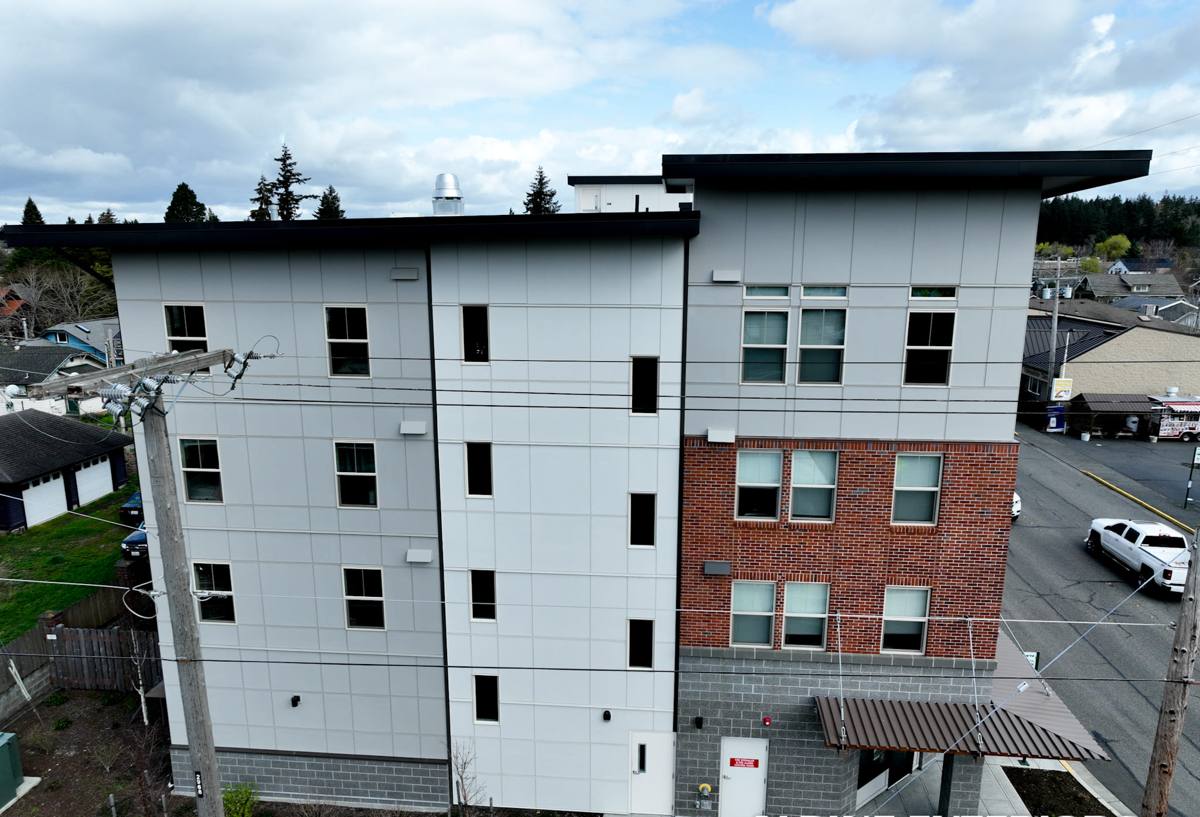
What Seminole's Climate Asks of a New Window Before It's Even Installed
A window sitting in a showroom looks the same anywhere in the country. What happens after it's fastened into a Pinellas County wall assembly is where the local climate starts to matter.
Hurricane-Force Wind
Every new window in this part of Florida has to be selected and installed to resist sustained wind pressure and windborne debris impact, not just look good. The fastening pattern, the anchor spacing, and the window's own design pressure rating all have to match what the home's height, shape, and location require. A window that's technically "hurricane rated" but installed with the wrong fastener spacing or skipped anchors is no longer rated for anything.
Intense, Year-Round UV
Florida sun isn't seasonal the way it is up north — it's a daily load on vinyl frames, seals, and glass coatings twelve months a year. Frame materials and glass packages that aren't built for sustained UV exposure will chalk, warp, or lose their seal integrity years before they should.
Salt Air and Coastal Corrosion
Seminole sits close enough to the Gulf that salt-laden air is a real factor on hardware, screens, and any exposed metal components, even away from the immediate waterfront. Fasteners, balance systems, and cladding that aren't rated for a coastal environment corrode faster here than the same products would inland.
Wind-Driven Rain
Florida storms don't just drop rain — they push it sideways, straight into wall assemblies and window openings under pressure. A window can be perfectly watertight in a lab test and still leak in the field if the sill pan flashing, the tie-in to the housewrap, and the sealant joints weren't done correctly during the new-construction install.
New-Construction vs. Replacement Windows: Why the Distinction Isn't Just Semantics
Homeowners sometimes use "new windows" to mean any window job, but new-construction and replacement windows are built and installed differently, and mixing them up on a build or addition causes real problems.
| Factor | New-Construction Window | Replacement Window |
|---|---|---|
| Frame design | Has a nailing fin that fastens to the framing before exterior finish is applied | Block-frame or insert design made to fit inside an existing, finished opening |
| When it's used | New builds, additions, full-opening rebuilds where the wall isn't finished yet | Existing homes where siding, stucco, or trim stays in place |
| Water management | Integrates directly with the sill pan and water-resistive barrier during framing | Relies on sealing to the existing opening and trim |
| Ease of correcting a mistake | Cheap to fix before finishes go on; expensive after | Errors usually mean removing interior or exterior trim |
On a Ridgecrest new build or addition, the wall is open — which means there's no excuse for cutting corners on flashing or fastening. It's the easiest point in the whole project to do it right, and the hardest point to catch mistakes once it's covered.
What a Correct New-Construction Installation Actually Involves
A properly installed new-construction window isn't just "screwed into the opening." The sequence matters as much as the window itself:
- Rough opening check — confirming the opening is square, plumb, and sized correctly before the window ever goes near it.
- Sill pan flashing — a sloped, sealed pan at the base of the opening so any water that gets past the window sheds back outside instead of pooling against the framing.
- Tie-in to the water-resistive barrier — the window's flanges have to be integrated with the housewrap or building paper in the correct shingle-lap order, not just taped over the top.
- Fastening per the manufacturer's schedule — nailing fin or screw-fin windows have a specific fastener type, spacing, and edge distance tied to the product's tested wind rating. Skipping fasteners voids that rating even if the window itself is correctly chosen.
- Shimming and squaring — the window has to be shimmed so it isn't racked or bowed once fastened, which affects both how it operates and how it seals long-term.
- Sealant joints — the right sealant, in the right locations, compatible with the window's frame material and the wall finish going over it.
Every one of those steps is easy to inspect before the wall is closed up, and difficult or impossible to verify afterward. That's why we document the install at each stage on new-construction jobs.
Meeting Florida's Wind-Borne Debris and Wind Load Requirements in Pinellas County
New construction in Pinellas County falls within Florida's wind-borne debris region, which means new windows generally need to either be impact-rated or paired with an approved opening protection system, and they need a design pressure (DP) rating appropriate for the home's height, exposure, and location. The exact requirements depend on the specific lot and structure, so they're confirmed through the county's permitting and plan review process rather than assumed from a neighboring house.
What we handle on our end is making sure the windows specified for a Ridgecrest job actually match what the permit requires — correct DP rating, correct glazing, correct anchoring — and that the installation is documented in a way that holds up at inspection. A window that's individually well-built but mismatched to the home's wind load requirement is still a failed inspection waiting to happen.
Choosing a Frame Material for a Ridgecrest New Build
There's no single "best" frame material — it depends on budget, the look you're going for, and how much long-term maintenance you want to take on. Here's how the common options compare for a coastal Pinellas County build:
| Frame Material | Strengths | Trade-offs |
|---|---|---|
| Vinyl | Won't corrode in salt air, good insulating value, generally the most budget-friendly | Can expand/contract with heat; quality varies a lot between manufacturers |
| Aluminum | Strong, slim sightlines, holds up structurally under high wind loads | Conducts heat and cold; needs a marine-grade or coastal-rated finish to resist corrosion |
| Fiberglass | Very stable in heat and UV, strong, low long-term maintenance | Higher upfront cost than vinyl |
For a Ridgecrest build, we walk through this with you against your actual budget and exposure rather than pushing one material by default — the right call is different for a full rebuild than for a small addition.
Our New-Construction Window Process
- Plan review. We look at the architectural plans or engineering drawings and confirm window sizes, DP ratings, and glazing specs against what the permit requires.
- Product selection. We recommend windows and frame materials matched to the home's exposure, budget, and your priorities on maintenance and appearance.
- Builder/GC coordination. On new builds and additions we schedule around framing and dry-in so windows go in at the right point in the sequence — not too early, not after the crew is waiting on us.
- Installation. Sill pan flashing, WRB tie-in, fastening to the manufacturer's schedule, and sealant, done in that order and documented as we go.
- Inspection. We prepare the install to pass county inspection the first time, since a failed inspection on a closed-up wall costs everyone time.
- Final walkthrough. Every window is opened, closed, and checked for smooth operation and a tight seal before we consider the job finished.
Checklist: What to Confirm Before You Sign a New-Construction Window Contract
- Are the windows' design pressure (DP) ratings specified in writing, matched to your home's exposure?
- Is the glazing impact-rated, or is there an approved opening protection plan for the openings that need it?
- Does the quote specify sill pan flashing and WRB tie-in as part of the install, not just "window installation"?
- Is the fastening schedule going to follow the manufacturer's tested installation instructions?
- Who is responsible for scheduling around your builder or GC's framing and dry-in timeline?
- Is the contractor licensed and insured for the work, and familiar with Pinellas County's permitting and inspection process?
Why Hire a Crew That Already Works Ridgecrest Homes
A lot of window problems on new builds trace back to a mismatch between the crew and the job — a great replacement-window installer who's rarely done a new-construction, nailing-fin install, or a framing crew that treats windows as an afterthought instead of a water-management system. Working regularly on Ridgecrest and other Seminole neighborhoods means we're used to coordinating with local builders and GCs on scheduling, we know what Pinellas County inspectors are looking for at the window stage, and we've seen how salt air, sun, and wind-driven rain actually affect installs in this specific area over time, not just in a spec sheet. Some streets and communities in and around Ridgecrest also carry HOA architectural guidelines on window style or color — worth checking before you finalize a product, and something we're happy to help you sort out early rather than after windows are ordered.
If you're planning a new build, an addition, or a full window package for a Ridgecrest home, we'd be glad to take a look at your plans and talk through what your specific opening sizes, exposure, and budget call for. Reach out for a free, no-pressure estimate using the form below.