 Seminole Siding
 New Roof Installation in Belleair Bluffs
Belleair Bluffs sits close enough to the water that every roof in the area is doing double duty: shedding heavy seasonal rain and standing up to salt-laden air that never really lets up. When a roof here reaches the end of its service life, a straight swap of old materials for new isn't enough. The replacement has to be specified and installed for Pinellas County conditions from the deck up, not just from the shingles down. That's the standard we build to on every new roof installation we run in Belleair Bluffs.
This page covers what that actually means in practice: how the local climate shapes the job, what a correct installation includes, how our process runs from first estimate to final inspection, and why working with a crew that's already familiar with this specific pocket of Seminole and the surrounding Pinellas County coastline matters more than it might seem.
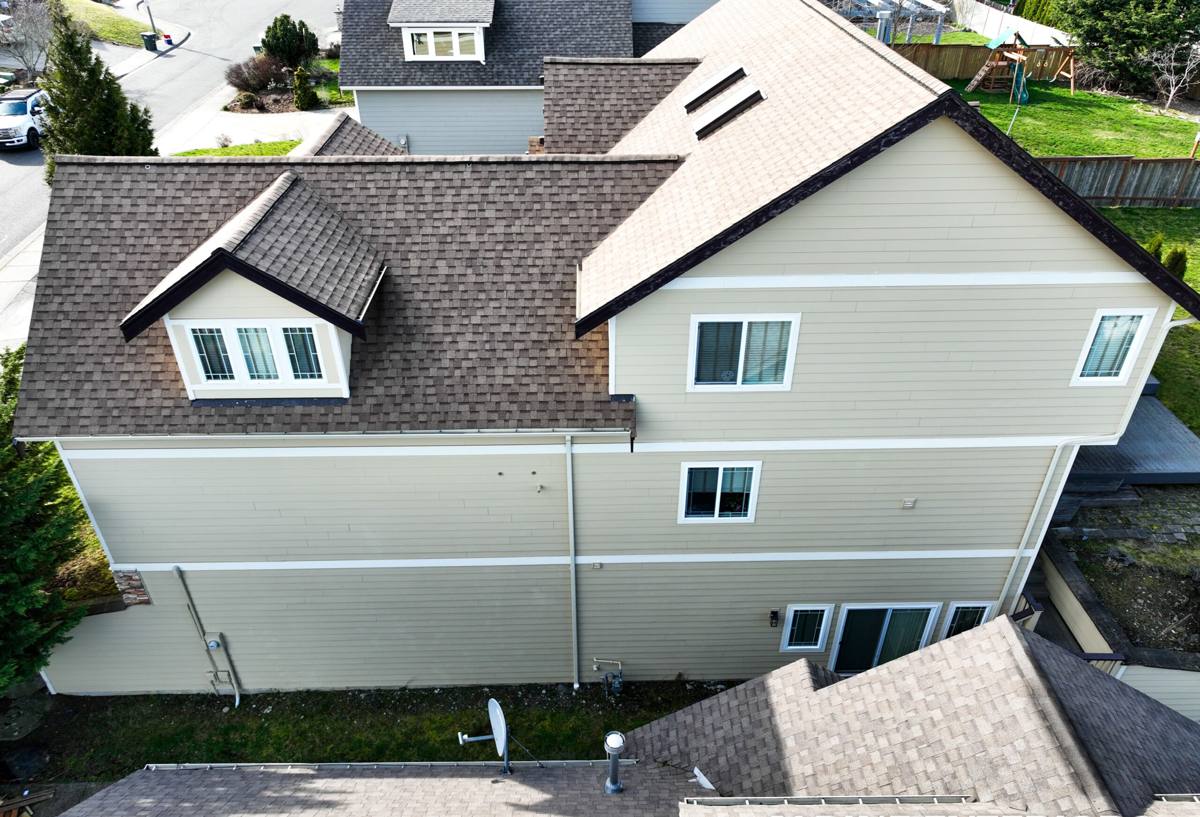
Why Belleair Bluffs Roofs Wear Differently
A new roof on a home a few miles inland faces a different set of stresses than one closer to the Gulf. Belleair Bluffs homes deal with a combination of factors that compound each other over time:
- Salt air corrosion — airborne salt accelerates the breakdown of exposed fasteners, flashing, and any metal components that aren't rated for coastal exposure.
- Hurricane-force wind loads — Gulf-fed storm systems can put uplift pressure on every edge, ridge, and penetration of a roof, and the parts of a roof that fail first are almost always the details, not the field of the roof.
- Wind-driven rain — during a tropical system, rain doesn't just fall, it's pushed sideways and upward under shingle edges and around vents, which is a very different waterproofing problem than a normal vertical rainstorm.
- Year-round intense UV — Florida's sun exposure is close to constant, and it degrades asphalt oils, breaks down sealants, and fades or embrittles lesser materials faster than in most of the country.
None of these factors are unique to Belleair Bluffs, but the combination — coastal proximity plus full hurricane exposure plus relentless sun — is why a "good enough anywhere else" roof often underperforms here. Installation quality and material selection both have to account for it.
What a Correct New Roof Installation Includes
Replacing a roof is not just laying new shingles over what's there. A proper tear-off and install in this climate covers several layers, each doing a specific job.
Deck Inspection and Repair
Once the old roofing is off, we inspect the deck for rot, soft spots, and delamination — problems that are invisible from above but that no new roofing system can perform well over. Any compromised sheathing gets replaced before anything else goes down. Skipping this step is one of the most common shortcuts in the industry, and it's the one that causes the most expensive problems later.
Underlayment
The underlayment is the roof's real waterproofing layer — the shingles or tiles on top are the first line of defense, but the underlayment is what protects the structure if wind or wear compromises that first line. In a wind-driven rain climate, we treat underlayment selection and installation as a primary decision, not an afterthought, with particular attention to sealed laps and proper coverage at valleys and penetrations.
Flashing and Edge Details
Flashing around chimneys, walls, skylights, and roof edges is where the majority of leaks originate on any roof, in any climate. Coastal salt exposure means we specify flashing metals and fasteners rated to resist corrosion, not standard-grade components that will start failing within a few years of coastal exposure.
Ventilation
Proper intake and exhaust ventilation keeps attic temperatures and moisture in check, which extends the life of the roofing materials from underneath and helps control cooling costs in a climate where the attic can get brutally hot for most of the year.
Wind-Rated Fastening
Nailing pattern and fastener count matter as much as the materials themselves when it comes to wind performance. We fasten to manufacturer specifications for high-wind zones, which in this part of Florida generally means more fasteners per shingle or panel than a baseline installation, and precise placement rather than approximate placement.
Roofing Material Options for Coastal Pinellas County Homes
There's no single "best" roofing material for every Belleair Bluffs home — the right choice depends on your home's structure, your budget, your roofline, and how long you want the system to last before its next replacement. Here's an honest comparison of the main options we install:
| Material | Typical Lifespan Here | Wind Performance | Maintenance | Notes |
|---|---|---|---|---|
| Architectural asphalt shingle | 18–25 years | Good, with proper high-wind fastening and rated shingles | Low | Best value; wide color/style range; requires quality underlayment given UV exposure |
| Metal (standing seam) | 40–50+ years | Excellent | Very low | Higher upfront cost; strong long-term value in coastal wind zones |
| Tile (concrete or clay) | 40–50+ years | Excellent when properly fastened | Moderate | Heavier — requires structural check; underlayment quality is critical since tile itself isn't fully waterproof |
| Flat/low-slope membrane | 15–25 years depending on system | Good with correct installation | Moderate | Common on additions, porches, and modern rooflines; seam quality is everything |
We'll walk through which of these makes sense for your specific roof during the estimate — there's rarely a wrong answer, just trade-offs between upfront cost, lifespan, and maintenance that only you can weigh for your situation.
Our Installation Process
Every new roof installation we run follows the same sequence, whether it's a straightforward asphalt shingle replacement or a more involved tile or metal project.
- On-site inspection and estimate — we look at the existing roof, the deck (where visible), attic ventilation, and any problem areas you've noticed, then walk you through material options and a written estimate.
- Material and permit prep — we handle the permitting required for a full roof replacement in Pinellas County and coordinate material delivery to minimize how long your roof is exposed during the job.
- Tear-off — complete removal of old roofing down to the deck, with debris managed and cleared from the property daily.
- Deck inspection and repair — as covered above, any compromised sheathing is replaced before installation continues.
- Underlayment and flashing installation — the waterproofing and detail work that determines how the roof performs during a storm, not just on a sunny day.
- Roofing material installation — installed to manufacturer specifications for high-wind coastal zones.
- Final inspection and walkthrough — we inspect our own work, coordinate any required municipal inspection, and walk the property with you before calling the job complete.
Signs Your Belleair Bluffs Roof May Need Replacing
Not every roof problem means full replacement — some are addressed with repair. But certain signs point toward a system that's genuinely at the end of its life rather than in need of a patch:
- Shingles that are curling, cracking, or losing significant granule coverage
- Recurring leaks in different locations after repairs
- Visible sagging anywhere on the roofline
- Roof age approaching or past the material's expected lifespan for this climate
- Daylight visible through the roof deck from inside the attic
- Missing or lifted shingles/tiles after a storm, especially if it's a repeat occurrence
- Rising energy bills tied to poor attic ventilation or insulation performance
If you're seeing one or more of these, it's worth an honest inspection before deciding between repair and replacement — we'll tell you straight which one actually makes sense for your roof.
Why a Crew That Already Works Belleair Bluffs Matters
Roofing crews that work this specific stretch of the Pinellas County coastline regularly develop a practical understanding that's hard to replicate from a general playbook: which flashing details tend to fail first on homes exposed to Gulf wind, how local permitting and inspection processes typically run, and what fastening and material specs actually hold up through a real hurricane season rather than just meeting code on paper.
That local familiarity shows up in small decisions throughout a job — decisions that don't show up on an estimate line item but that determine whether a roof performs the way it's supposed to when a storm actually hits. It also means faster response if you ever need warranty service or storm-related follow-up, since we're not traveling in from outside the area to reach you.
Insurance, Permits, and Documentation
A full roof replacement in this part of Florida involves more paperwork than most homeowners expect, and getting it right protects you later:
- Permits — required for a full roof replacement; we pull and close these out as part of the job rather than leaving it to you.
- Manufacturer warranty registration — proper installation and registration keeps material warranties valid; skipped steps here can void coverage without you knowing it until it's too late.
- Photo documentation — we document the deck condition and key installation stages, which is useful both for your records and for any future insurance conversation.
- Wind mitigation documentation — a new roof installed to current standards can affect your homeowner's insurance wind mitigation credit; ask us about what documentation applies to your policy.
We're not insurance agents and won't claim to be, but we can tell you what a properly documented installation looks like from the roofing side of that conversation.
Get a Local Estimate
If your roof is showing its age or didn't hold up the way you expected through the last storm season, it's worth getting a straight, no-pressure look from a crew that knows this part of Pinellas County. We'll walk your roof, tell you honestly what condition it's in, and lay out your real options — no upsell, no scare tactics. Use the form below to request your free estimate.