 Seminole Siding
 Metal Roofing Built for Pinellas Park's Weather, Not Just Any Roof
Pinellas Park sits inland enough from the Gulf to feel a little sheltered, but it still takes the same beating every other neighborhood in Pinellas County takes: long summers of intense UV, sudden downpours that turn into wind-driven rain, tropical systems that bring sustained hurricane-force gusts, and a steady dose of salt-laden air moving in off the coast. A roof here isn't decorative — it's the one system standing between your home and all four of those forces at once, year after year. Metal roofing, installed correctly, handles that combination better than almost anything else on the market. Installed incorrectly, it fails in exactly the ways homeowners fear: leaks at the seams, rust streaking down the fascia, panels that work loose in a storm.
This page is about what a correct metal roof installation actually looks like for a Pinellas Park home, why the details matter more here than in a drier, calmer climate, and how we approach the job from first inspection to final walkthrough.
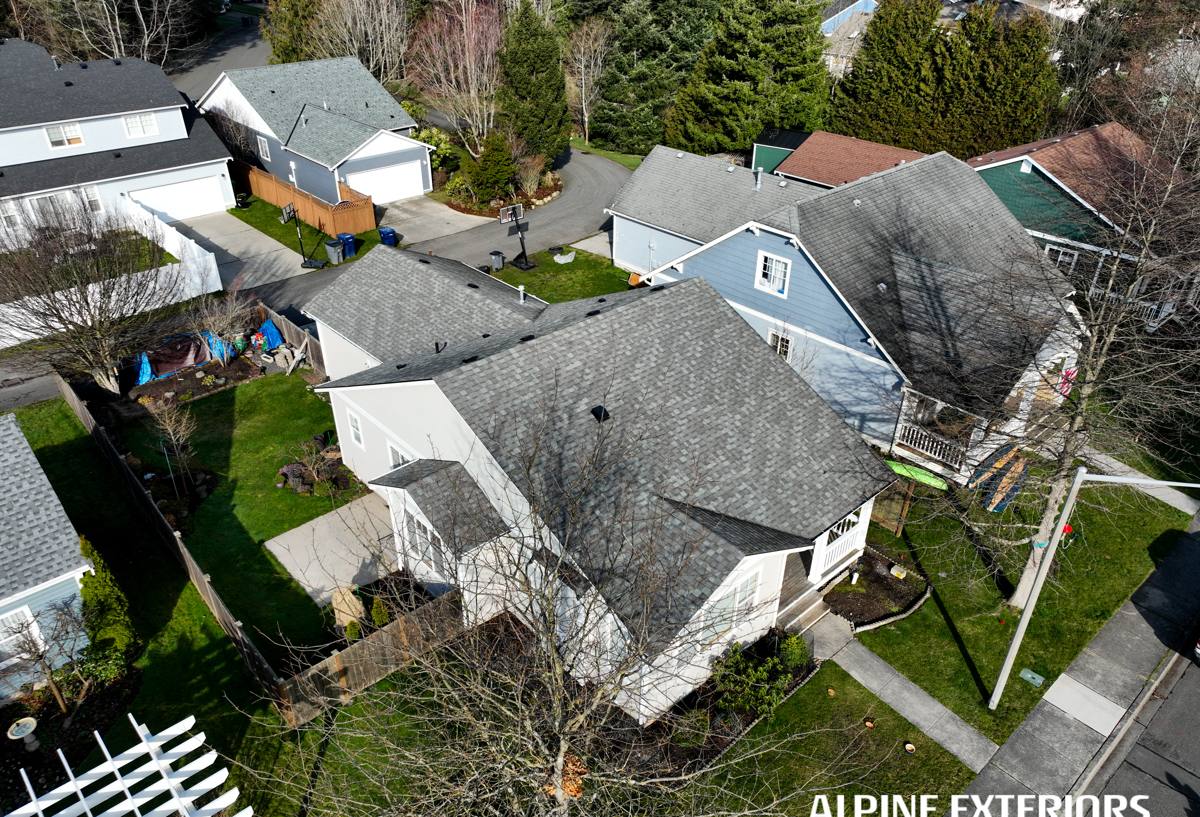
What Pinellas Park Homes Specifically Need From a Metal Roof
Every metal roof has to shed water and survive wind uplift. In this part of Florida, three additional stresses shape how the job needs to be done:
- Wind uplift resistance — Pinellas County sits in a high-wind zone under the Florida Building Code, and roof coverings have to be tested and rated for the uplift pressures that come with hurricane-force gusts, not just a generic wind rating.
- UV and thermal cycling — Florida sun degrades paint finishes and sealants faster than in northern climates, and the daily heat-up/cool-down cycle stresses fasteners and expansion joints over time.
- Salt air corrosion — even a few miles inland, airborne salt reaches roofing metal and fasteners, which means material choice and fastener compatibility matter more here than they would in a landlocked state.
- Wind-driven rain intrusion — Florida storms rarely fall straight down; they come in sideways, which puts real demand on underlayment, flashing, and seam design rather than just the panels themselves.
A metal roof that ignores any one of these is a roof that looks fine for a year or two and then starts showing problems right where you'd least want them — around penetrations, at the eaves, or along fastener lines.
What a Correctly Installed Metal Roof Actually Involves
It starts below the panels
The metal itself gets the attention, but the underlayment is what actually keeps a home dry during wind-driven rain, especially if water ever gets past a seam or a flashing detail — which, over decades, it eventually will somewhere. For coastal Florida installs we use a self-adhering, high-temperature underlayment rated for the heat that builds up under metal panels in direct sun, not a standard felt product that can degrade or slip.
Deck condition matters more than people expect
Metal roofing is only as good as what it's fastened to. Before any panel goes down, we inspect the roof deck for soft spots, water staining, or prior damage. Fastening a premium panel system to a compromised deck is one of the most common ways a metal roof underperforms its rating — the panel can be perfect and still fail to hold in a wind event if the substrate underneath it can't.
Fastening and seams are where storms are won or lost
Panel systems fail at connection points, not in the middle of a flat panel. That means fastener spacing, fastener type, and seam design have to match the wind uplift rating the system is actually engineered for — not just "close enough." Exposed-fastener systems need the right washer and gasket type for this climate; standing seam systems rely on concealed clips engineered to flex slightly with thermal movement without opening a path for water.
Flashing and penetrations
Chimneys, vent stacks, skylights, and wall-to-roof transitions are the highest-risk points on any roof. On a metal roof they require custom-formed flashing rather than generic trim, sealed and layered so wind-driven rain can't work its way underneath.
Panel Options for a Pinellas Park Home
There's no single "best" metal roofing system — the right choice depends on your roofline, budget, and how long you want to go before any maintenance. Here's how the main options compare for a coastal Pinellas County home:
| Panel Type | Fastening | Typical Lifespan | Best Fit |
|---|---|---|---|
| Standing Seam | Concealed clips, no exposed fasteners | 40–60 years | Homes wanting the lowest long-term maintenance and cleanest look |
| Exposed-Fastener Panel | Screws through the panel face, with washers | 25–40 years | Budget-conscious projects; requires periodic fastener checks |
| Metal Shingle/Tile Profile | Interlocking panels, concealed clips | 40–50 years | Homes wanting a traditional shingle or tile look with metal's durability |
The trade-off with exposed-fastener systems isn't that they're a bad product — it's that the fasteners are the maintenance item. Washers and sealant age with sun exposure, and in a high-UV climate that means they need to be checked periodically rather than forgotten. Standing seam avoids that by keeping every fastener hidden and free to move slightly with the metal as it expands and contracts, which is part of why we recommend it as the default for homes that want a true set-it-and-forget-it roof.
Wind Ratings and Florida Building Code
Pinellas County enforces Florida Building Code wind provisions that require roofing systems to be tested and rated for the uplift pressures typical of this region's storm exposure. In practice, that means the metal panel, the fastening pattern, and the underlayment all need to be installed as a matched, code-compliant system — swapping in a lighter-gauge panel or wider fastener spacing to save money can quietly take a roof out of compliance with what it's rated to survive. When we quote a metal roof for a Pinellas Park home, the system we spec is one that meets or exceeds the wind uplift requirements for this area, not a generic "hurricane-resistant" claim.
Salt Air and Corrosion: What Actually Matters
Corrosion on a coastal-adjacent metal roof almost never starts on the panel field — it starts at fastener heads, cut edges, and points where two dissimilar metals touch and create galvanic reaction. We manage this three ways:
- Matching fasteners and flashing metal to the panel material to avoid galvanic corrosion between dissimilar metals
- Using factory-applied paint finishes rated for coastal exposure rather than mill-finish or unprotected metal
- Sealing cut edges during fabrication instead of leaving raw metal exposed to salt air
None of this is exotic — it's just attention to detail that matters more here than it would fifty miles inland, and it's the difference between a metal roof that still looks new after a decade and one that starts showing rust streaks in year three.
Our Process for a Pinellas Park Metal Roof
- On-site inspection — we assess your existing roof deck, roofline complexity, and any problem areas before recommending a system.
- System recommendation and written estimate — panel type, gauge, finish, and fastening system spelled out clearly, matched to your budget and the wind requirements for your area.
- Deck prep and repair — any soft, damaged, or water-affected decking is addressed before a single panel is installed.
- Underlayment and flashing installation — the layer that does the real work during wind-driven rain, installed first and correctly.
- Panel installation — fastened or clipped to the manufacturer's and code's specified pattern, not a shortcut version.
- Final inspection and walkthrough — we go over the completed roof with you before calling the job done.
Keeping a Metal Roof Performing Long-Term
One of the real advantages of metal roofing is how little maintenance it needs compared to shingles — but "little" isn't "none," especially in a climate this demanding. A simple annual check keeps small issues from becoming roof-replacement issues:
- Visually check for loose or lifted panels after any major storm
- Clear debris and organic buildup from valleys and around penetrations
- Look for rust spots or coating wear at fastener heads and cut edges
- Confirm sealant at flashing points hasn't cracked or pulled away
- Check gutters and downspouts are still directing water away from the foundation
Cost Factors for a Metal Roofing Project
Metal roofing costs more upfront than asphalt shingles, and the honest range depends heavily on the factors below rather than a flat per-square-foot number. We give every homeowner a written, itemized estimate rather than a ballpark quote over the phone.
| Factor | Why It Affects Cost |
|---|---|
| Panel system chosen | Standing seam runs higher than exposed-fastener panels due to labor and clip hardware |
| Roof complexity | Valleys, dormers, and multiple penetrations add flashing labor and material |
| Deck condition | Repair or replacement of damaged decking is priced separately from the roofing system |
| Gauge and coating | Heavier-gauge metal and premium coastal-rated finishes cost more but last longer with less maintenance |
| Tear-off vs. overlay | Removing an existing roof versus installing over it changes labor and disposal costs |
Why Hiring a Crew That Already Works Pinellas Park Matters
A metal roof installed by a crew unfamiliar with this specific mix of Gulf-adjacent humidity, UV load, and storm exposure can look correct and still be under-built for what Pinellas County actually throws at it. We work throughout Seminole and the surrounding Pinellas County communities, which means we're specifying fastener patterns, underlayment, and flashing details based on what actually holds up here — not a generic install pulled from a national playbook. That local pattern recognition is often the difference between a roof that sails through its first real tropical system and one that needs a service call afterward.
If you're weighing a metal roof for your Pinellas Park home, we're happy to walk your roof, answer questions honestly — including where metal might not be the right fit for your budget or roofline — and put together a clear, written estimate. There's no pressure and no obligation; just fill out the form below to get started.