 Seminole Siding
 Why Redington Beach Windows Take More Than a Standard Install
Redington Beach sits right on the barrier island strip of Pinellas County, close enough to the Gulf that salt air, wind-driven rain, and near-constant UV exposure are part of daily life for every home on the island. That's a different environment than a house a few miles inland in Seminole. Window frames, seals, and hardware here take on more corrosion, more thermal cycling from intense sun, and more direct pressure from tropical storms and hurricane-strength gusts moving off open water. A window that's fine for a subdivision ten miles from the coast can fail early on a Redington Beach home — not because the product is bad, but because it wasn't matched to the exposure.
"Custom windows" in this context doesn't mean fancy shapes or oversized glass for its own sake. It means windows sized, rated, and detailed to fit the actual openings in an older or uniquely built coastal home, and rated to handle the wind pressures Pinellas County code requires for a house this close to open water. Getting that match right the first time is the whole job.
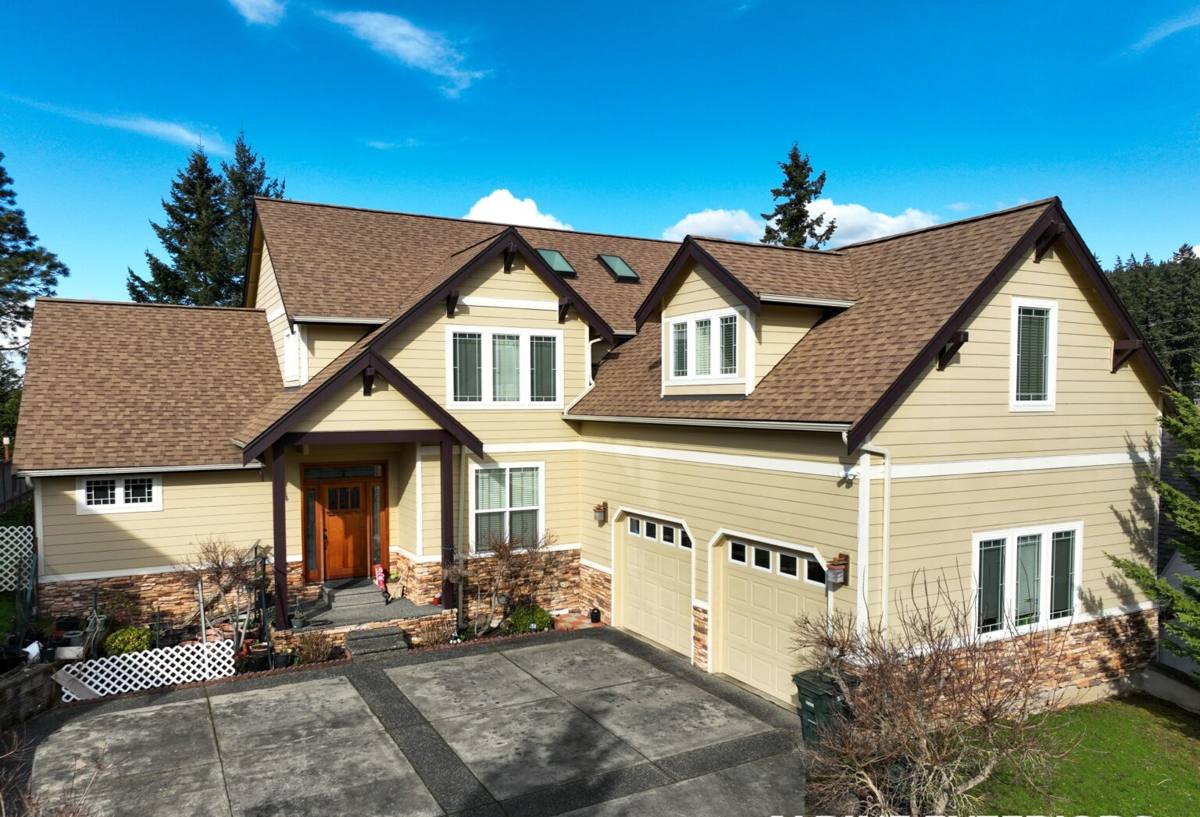
What Custom Actually Involves
Most Redington Beach homes weren't built on a modern production framing grid. Older beach cottages, additions, and renovated duplexes often have openings that are slightly out of square, non-standard sizes, or oddly proportioned to fit a specific view or wall layout. Off-the-shelf window sizes either won't fit those openings cleanly or force you into a smaller window than the opening allows, which changes the look of the house and can affect natural light and egress.
Custom fabrication solves that by building the window to the actual opening dimensions, not the other way around. That includes:
- Exact width and height sizing, including openings that are out of true square
- Matching sightlines and grid patterns across a whole elevation so windows look consistent from the street or the water side
- Selecting glass packages (impact laminate, low-E coatings, tint) suited to a south- or west-facing wall that takes heavy sun
- Frame color and finish that holds up to salt exposure without chalking or pitting early
Matching the Rest of the Home
On a siding or full exterior job, window replacement usually happens alongside other work — new siding, trim, or a repaint. Custom sizing lets us keep window lines consistent with the new exterior details instead of working around whatever gaps the old windows left behind. That coordination is one of the practical advantages of having windows and siding handled by the same crew rather than two separate contractors working from two different sets of measurements.
Wind and Impact Ratings for This Part of Pinellas County
Florida Building Code sets wind-borne debris and pressure requirements based on location, and coastal Pinellas County — including Redington Beach — falls into a wind zone that calls for either impact-rated windows or an approved protective covering (code-compliant shutters) on openings. This isn't a suggestion; it's a permitting requirement, and it's checked at inspection. There are two compliant paths, and each has real trade-offs worth understanding before you decide.
| Approach | How It Works | Trade-Offs |
|---|---|---|
| Impact-rated glass | Laminated glass bonded to resist penetration from wind-borne debris; stays in place during a storm | Higher upfront cost per window; no separate shutters to store, deploy, or maintain; better daily security and sound reduction |
| Standard glass + approved shutters | Standard window paired with code-approved storm shutters installed before a storm | Lower window cost, but shutters must be deployed every time a storm threatens, stored properly, and kept in working order; house is unprotected until they're up |
Both are legitimate, code-compliant options. For a barrier island home, we generally recommend impact glass where budget allows, simply because it protects the opening around the clock without depending on someone being home and available before a storm makes landfall. But we'll walk through both honestly based on your budget and how the home is used — full-time residence versus seasonal or rental property changes the calculus.
Install Details That Actually Matter Here
The window product is only half the equation. On a coastal home, how the window is installed determines whether it performs for fifteen years or starts leaking and corroding in three. A few specifics we don't skip:
Flashing and Water Management
Wind-driven rain on this coastline doesn't fall straight down — it comes in sideways during storms and pushes against every seam. Proper flashing integration with the wall assembly, correctly lapped and sealed, is what keeps that water out of the wall cavity. This matters more here than almost anywhere inland in the county.
Fasteners and Hardware
Standard fasteners corrode fast in salt air. We use corrosion-resistant fastening hardware rated for coastal exposure, and we pay attention to any exposed metal components — hinges, locks, cranks — that will otherwise pit and stain within a couple of seasons.
Sealant Selection and Joint Design
UV exposure this intense breaks down cheap sealants faster than the manufacturer's warranty period in many cases. We use sealants rated for high-UV, coastal use and detail the joints so they can be inspected and re-sealed as routine maintenance rather than requiring a full re-install.
Frame Material Options for Coastal Exposure
| Frame Material | Coastal Performance | Maintenance |
|---|---|---|
| Vinyl | Good corrosion resistance since there's no metal to pit; quality varies a lot between product lines | Low; occasional cleaning, no repainting needed |
| Aluminum | Strong and slim sightlines, but needs a marine-grade or coated finish to resist salt pitting long-term | Moderate; finish should be checked periodically for wear |
| Fiberglass | Very stable in heat and UV, holds paint well, strong dimensional stability near saltwater | Low to moderate; higher upfront cost |
There's no single "best" material for every home — it depends on your budget, the home's style, and how much upkeep you want to take on. We'll tell you honestly which option fits your situation instead of pushing whatever has the best margin.
Our Process on a Redington Beach Job
- On-site measurement and assessment — we measure every opening individually and check the surrounding wall condition for water damage or rot before quoting anything
- Product and glass selection — we go over impact vs. shutter options, frame materials, and finish based on your budget and how the home is used
- Permitting — we handle the permit paperwork required for window replacement in Pinellas County, including documentation of the wind rating
- Fabrication — windows are built to the exact opening sizes we measured, not generic stock dimensions
- Removal and install — old units come out, openings are checked and repaired if needed, new windows go in with proper flashing and sealant
- Final inspection — the work is signed off through the permitting process, and we walk the job with you before calling it done
Checklist: What to Confirm Before You Hire Anyone for Coastal Window Work
- Is the crew pulling a permit, and is the wind/impact rating documented on that permit?
- Are they measuring your actual openings, or quoting off stock sizes?
- What fastener and flashing materials are they using, and are those materials rated for coastal/salt exposure?
- Do they explain the impact-glass-versus-shutters trade-off, or just sell you whichever they stock?
- Have they worked on other homes in Redington Beach or similar barrier island streets, and can they speak specifically to what that exposure does to windows over time?
Why Local Experience on the Island Matters
A crew that only occasionally works this close to the water tends to treat every job the same way they'd treat a house five miles inland — same sealants, same fasteners, same install approach. On Redington Beach, that shortcut shows up within a couple of years as premature corrosion, sealant failure, or water intrusion around the frame. A crew that regularly works this stretch of the Pinellas County coastline already knows which details can't be skipped, has already sourced hardware and sealants rated for this exposure, and understands the permitting requirements for this specific wind zone without having to figure it out on your job.
If you're weighing new windows for a Redington Beach home — whether it's a full replacement, a few problem openings, or windows planned alongside a siding or exterior update — we're glad to come out, measure the actual openings, and give you a straight assessment of what the house needs. There's no pressure and no cost to get that estimate; fill out the form below and we'll set up a time to take a look.