 Seminole Siding
 Redington Beach Siding Takes a Different Kind of Beating
Redington Beach sits on a narrow barrier island between the Gulf of Mexico and Boca Ciega Bay, which means every home here is exposed on more than one side to salt-laden air moving off open water. That's a different environment than a house a few miles inland in Seminole proper. Salt air accelerates corrosion of fasteners and trim metal, wind off the Gulf hits siding with more force and more frequency, and there's rarely a wind break of any real size between a house and the water. Add Pinellas County's intense, nearly year-round UV exposure and the wind-driven rain that comes with every tropical system, and you have a siding assembly that ages faster here than almost anywhere else in the region.
Siding repair on the barrier island isn't just patching a hole. It's understanding why that hole, crack, or soft spot showed up in the first place — because on Redington Beach, small damage left alone tends to turn into moisture intrusion behind the wall far faster than it would inland.
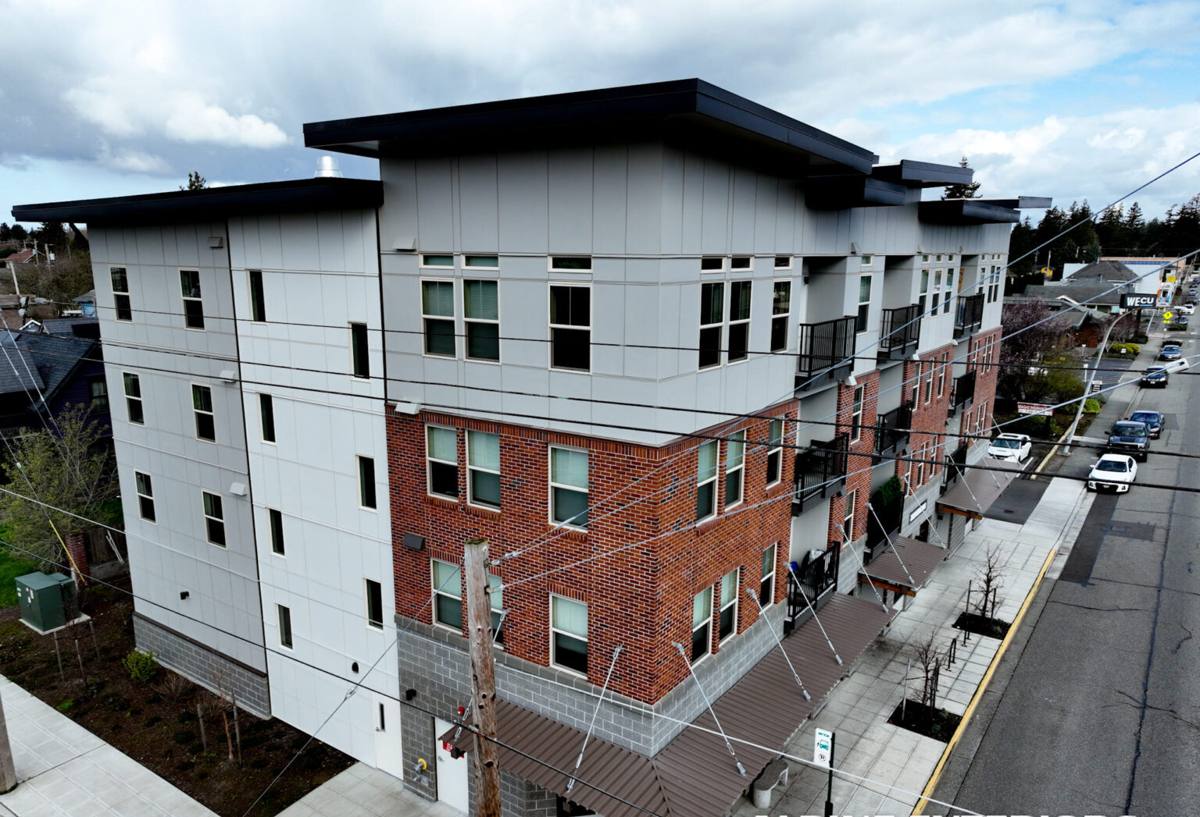
What Actually Causes Siding Damage Here
Wind and Wind-Driven Rain
Hurricane-force and tropical-storm-force winds don't just rattle siding — they drive rain sideways, forcing water up under laps, around trim, and into any gap where caulking has failed or fasteners have backed out. On an exposed barrier island lot, this happens with more frequency than a typical mainland property sees.
Salt Air Corrosion
Fasteners, flashing, and trim hardware that aren't rated for coastal exposure corrode faster here. Once a fastener starts to fail, the siding panel around it loses its hold, and water finds a way in through the resulting gap.
UV Breakdown
Florida sun is hard on any exterior material, but a beachfront exposure with reflected light off water and sand pushes that further. Paint film breaks down, caulk joints dry out and crack, and materials that rely on a surface coating for protection are the first to show it.
Moisture Behind the Cladding
The most damaging problems on Redington Beach homes usually aren't visible from the street. Water that gets behind siding through a failed seam, a cracked panel, or bad flashing can sit against sheathing and framing for months before a homeowner notices soft spots, discoloration, or a musty smell. By the time it's visible, the fix is bigger than it needed to be.
Signs Your Siding Needs Repair Now
- Cracked, split, or buckled panels, especially near corners and window trim
- Soft or spongy spots when you press on the siding by hand
- Visible gaps where panels have pulled away from the wall or from each other
- Rust streaks running down from fasteners or trim
- Peeling or bubbling paint, particularly on the side facing the water
- Caulk joints that have shrunk, cracked, or separated from the siding edge
- Discoloration or a musty odor near baseboards or interior walls, which often points to moisture already behind the cladding
- Warping or waviness across a section of wall visible from an angle in low light
Any one of these on its own might be minor. Several showing up together, or damage concentrated on the Gulf-facing side of the house, usually means the siding assembly has been under stress for a while.
What a Correct Repair Actually Involves
A siding repair that's done right is not just about making a wall look whole again. It starts with figuring out why the damage happened, because replacing a cracked panel without addressing the cause just buys a homeowner a few more years before the same spot fails again.
Step One: Find the Real Source
Before any panel comes off, a correct repair traces the damage back to its cause — a fastener that backed out, a flashing detail that was never sealed properly, a caulk joint that failed, or wind that worked a panel loose at the edge. Damage on a coastal property is frequently a symptom of something upstream, not an isolated event.
Step Two: Check What's Behind the Siding
Once panels are opened up, the house wrap or weather-resistive barrier underneath gets inspected. If it's torn, compromised, or missing in that section, replacing the visible siding without fixing the barrier underneath leaves the same vulnerability in place.
Step Three: Address Flashing and Fastening
Window and door flashing, corner details, and fastener placement all matter more on an exposed barrier island lot than they do inland. Repairs need fastening and flashing details that are actually built for coastal wind and salt exposure, not just whatever matches the surrounding wall.
Step Four: Match the Material and the Finish
A patch that doesn't match the surrounding siding in color, texture, or profile is a visible eyesore and, in some cases, a sign that the wrong material was used. This is where the product matters — more on that below.
Repair or Replace? How to Think About It
Not every damaged section needs a full re-side, but a home with widespread damage, repeated repairs in the same areas, or siding well past its expected service life is often better served by replacement than another patch. Here's a general way to weigh it:
| Factor | Leans Toward Repair | Leans Toward Replacement |
|---|---|---|
| Extent of damage | Isolated to one or two sections | Spread across multiple walls or elevations |
| Age of siding | Well within expected service life | Near or past the material's typical lifespan |
| Moisture found behind siding | None, or a small isolated area | Present in multiple locations or widespread staining |
| Repair history | First repair in this area | Same spot repaired more than once already |
| Original material | Still performing as designed | Prone to swelling, delaminating, or repeated cracking |
An honest contractor should be willing to tell a homeowner when a repair is the right call and when it's just delaying an inevitable, larger job.
Why We Repair (and Install) Only James Hardie Fiber Cement
When a repair calls for new material — a section that has to come out entirely, or a full elevation that's beyond patching — we use James Hardie fiber cement, and it's the only siding product we install. That's a deliberate standard, not a default.
Fiber cement doesn't absorb water the way wood-based or wood-alternative products can, which matters directly on a barrier island where wind-driven rain is a regular event, not an occasional one. It's also non-combustible, holds up to UV exposure without the surface breakdown that plagues painted wood products, and Hardie's ColorPlus factory finish is baked on under controlled conditions rather than applied on site — which means a better, longer-lasting bond than field-applied paint, especially in an environment this hard on exterior coatings.
For repair work specifically, this also means a cleaner match. Hardie's product lines and color program are consistent and available long after original installation, which gives us a realistic shot at matching an existing wall instead of leaving behind a visibly different patch. Hardie's HZ5 product line is engineered for the kind of high-humidity, high-wind coastal exposure that describes Redington Beach about as well as anywhere in Pinellas County.
Our Repair Process
- On-site inspection of the damaged area and a check of surrounding sections for related issues
- Assessment of what's behind the siding — house wrap, flashing, and sheathing condition
- A clear, honest recommendation: targeted repair, section replacement, or full re-side, with the reasoning explained
- Removal of damaged material without disturbing sound siding beyond what's necessary
- Repair or replacement of any compromised weather barrier, flashing, or fastening before new siding goes on
- Installation of new James Hardie material matched to the existing profile and color where possible
- Final check of caulking, trim, and fastener lines for long-term performance in coastal conditions
Why Hiring a Crew That Already Works This Island Matters
Redington Beach isn't a typical Pinellas County lot. Barrier island homes deal with tighter access, flood zone considerations, and building requirements that reflect direct Gulf exposure — details a crew that mostly works inland neighborhoods won't have built into their everyday process. A contractor who's already repaired siding on this stretch of coast knows what fastening and flashing details actually hold up here, understands the wind exposure categories that apply to homes this close to open water, and isn't guessing at how salt air will treat a repair five years down the line.
That familiarity also shows up in smaller, practical ways — knowing how to stage material and equipment on a narrow barrier island lot, understanding typical permitting expectations for exterior work in this area, and having a realistic sense of how quickly conditions can change working this close to the Gulf.
Protecting a Repair After It's Done
A repair is only as good as what happens after it. On a Redington Beach property, that means periodic visual checks — especially after any named storm — for new cracking, lifted panels, or fastener staining. Rinsing accumulated salt residue off exterior walls a few times a year helps slow corrosion of trim and fasteners. Keeping an eye on caulk joints around windows, doors, and trim, and having them refreshed before they fully fail, prevents the next round of water intrusion before it starts. None of this is complicated, but it's the difference between a repair that lasts and one that's a temporary fix.
If you're seeing cracked panels, soft spots, or water staining on a Redington Beach home, we're happy to take a look and give you a straight answer about what's actually needed — a targeted repair, a partial re-side, or something more. Reach out for a free, no-pressure estimate using the form below.