 Seminole Siding
 Redington Shores Is a Different Kind of Siding Job
Redington Shores sits on a narrow barrier island between the Gulf of Mexico and the Intracoastal Waterway, which means almost every home here takes on weather from two directions at once. Salt-laden air moves in off the Gulf, humidity holds in from the bay side, and there's rarely a windbreak of any real size between a house and open water. That combination is harder on exterior cladding than what most inland Pinellas County homes deal with, and it's why we treat siding work on the island differently than a standard Seminole job just a few miles east.
This page is about one service in one place: James Hardie fiber cement siding installed on Redington Shores homes. Not a general siding overview, and not a sales pitch for every product on the market — just what this specific environment demands, what a correct installation looks like here, and why local experience on barrier island homes actually matters.
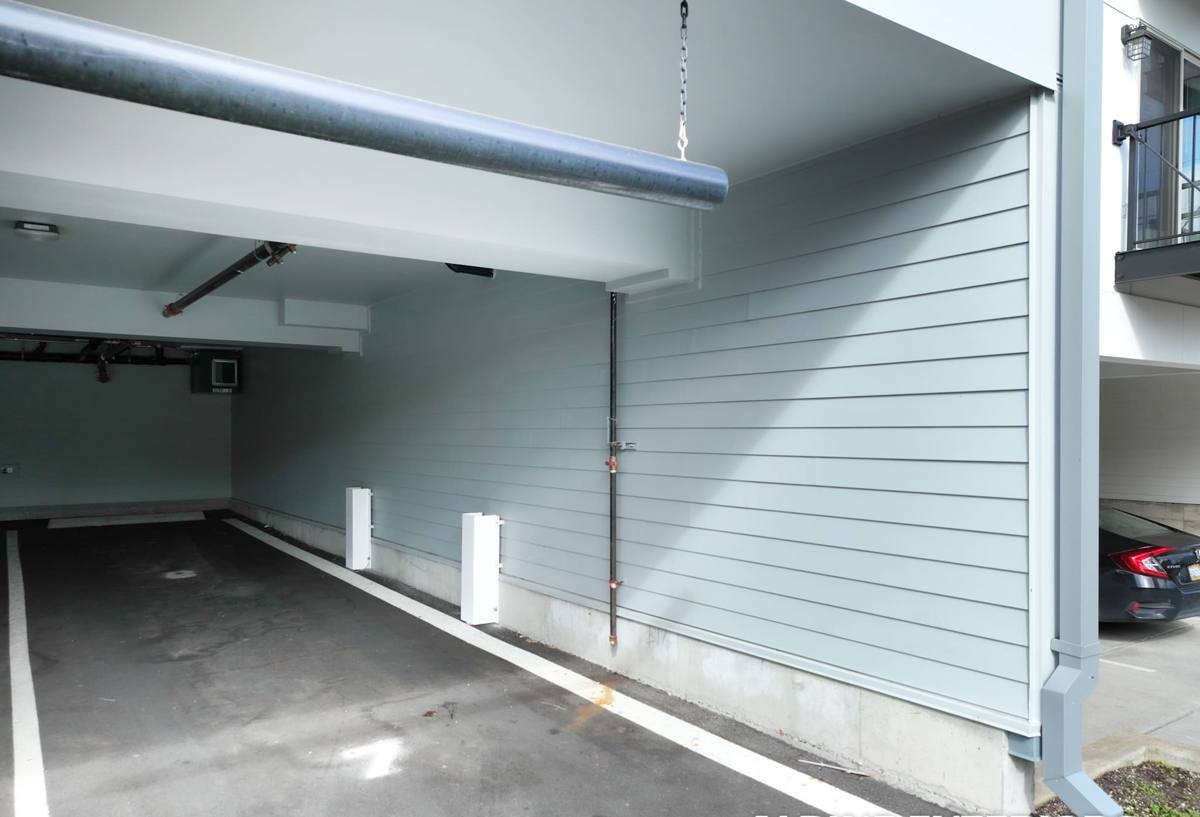
What Gulf-Front Exposure Does to Ordinary Siding Over Time
Every siding material eventually shows what its environment has been doing to it. On a barrier island, three forces work on a home's exterior nonstop:
- Salt air corrosion and staining — airborne salt settles on surfaces and accelerates the breakdown of fasteners, caulking, and lower-quality finishes.
- Constant UV exposure — Florida sun is intense year-round, not seasonal, so any paint or finish that isn't engineered for it will chalk, fade, or crack years ahead of schedule.
- Wind-driven rain — during tropical systems and everyday summer storms, rain doesn't just fall on siding, it's pushed sideways into seams, laps, and penetrations. If the water management behind the cladding isn't right, moisture gets in long before anyone sees a visible problem.
None of these forces are unique to Redington Shores, but their combined intensity this close to open water is. A siding choice and installation method that would be perfectly fine a few miles inland can underperform noticeably faster right on the island.
Why We Standardized on James Hardie Fiber Cement
We install James Hardie fiber cement exclusively — we don't offer vinyl, LP SmartSide, Cemplank, Allura, or primed wood siding, even though all of those products have a place in the broader market. On a barrier island, the trade-offs of those alternatives (moisture sensitivity, finish durability, or long-term maintenance burden) are magnified, and we'd rather stand behind one system we can install and warranty with confidence than offer several we'd have to caveat.
ColorPlus Factory Finish vs. Field-Painted Siding
Hardie's ColorPlus finish is baked on in a controlled factory process, which gives it far more consistent UV and color-fade resistance than siding painted on-site or in the field. In a location with this much year-round sun exposure, that difference shows up as fewer repaint cycles and a color that actually looks the same in year eight as it did in year one.
HZ5 Engineering for High-Moisture, High-Wind Climates
James Hardie engineers its HZ5 product line specifically for regions with higher moisture exposure and storm intensity — which describes this stretch of the Gulf coast. It's not a cosmetic difference; it affects how the material is formulated to handle humidity and wind-driven rain over the long term. For a Redington Shores home, this is the correct baseline product, not an upgrade.
What a Correct Installation Involves Here
Fiber cement siding is only as good as the assembly it's part of. On the island, we pay particular attention to a few things that matter more here than elsewhere.
Moisture Management Behind the Cladding
A weather-resistive barrier, correctly lapped flashing at every window and door, and properly detailed penetrations (vents, hose bibs, light fixtures) are what actually keep wind-driven rain out — the siding itself is the last line of defense, not the only one. We treat the water management layer as equally important as the visible siding, because on a barrier island a small flashing mistake gets tested by weather far more often than it would inland.
Fastening and Wind Resistance
Correct fastener spacing, type, and embedment matter for wind performance, and Pinellas County's coastal wind zone requirements are stricter than what's required a few counties inland. Installing to the manufacturer's high-wind fastening specification, not just a generic nailing pattern, is what keeps siding attached and sealed through tropical storm-force gusts rather than just normal weather.
Trim, Caulking, and Salt-Air Detailing
We use corrosion-resistant fasteners and trim details suited to salt air exposure, and we're deliberate about which joints get caulked versus which need to stay designed to shed water naturally. Over-caulking a joint that should drain can trap moisture behind it — a mistake that shows up as hidden rot long before it's visible from outside.
Comparing Siding Options for This Environment
We only install fiber cement, but homeowners deserve to understand why, in plain terms, rather than just being told what we do and don't offer. Here's how the common options actually compare under sustained Gulf-front conditions:
| Factor | James Hardie Fiber Cement | Vinyl | LP SmartSide | Cedar / Wood |
|---|---|---|---|---|
| Salt air / moisture resistance | Engineered for it (HZ5) | Doesn't absorb moisture, but can warp/fade | Wood-based core is moisture-sensitive | Requires constant sealing to resist moisture |
| UV / color retention | Factory ColorPlus finish, long fade resistance | Fades and can become brittle over time | Field-applied finishes fade faster | Needs frequent refinishing |
| Wind performance (correctly installed) | Strong, rated for high-wind installation | Can crack or blow off in high gusts | Adequate but panel seams are a weak point | Depends heavily on fastening and board condition |
| Combustibility | Non-combustible | Combustible | Combustible (wood-based) | Combustible |
| Ongoing maintenance | Low — occasional wash, no repainting for years | Low but degrades with age near salt air | Moderate to high — moisture monitoring needed | High — regular sealing/painting required |
Our Process for Redington Shores Projects
The steps don't change dramatically from one Pinellas County job to the next, but on the island we build in extra attention at the inspection and detailing stages:
- On-site assessment of existing siding, moisture readings where accessible, and a look at flashing and trim condition — not just a visual estimate from the driveway.
- Removal of failing material with a check for hidden water damage to sheathing before anything new goes up.
- Repair or replacement of any compromised sheathing — you don't put new siding over a soft substrate.
- Installation of a correctly lapped weather-resistive barrier and flashing at every penetration.
- James Hardie HZ5 panel or lap installation to manufacturer high-wind fastening specifications.
- Trim, caulking, and detailing suited to salt air exposure — not a one-size-fits-all approach copied from an inland job.
- Final walkthrough covering care expectations and warranty registration.
Permitting and Wind Zone Considerations
Siding replacement in Pinellas County requires permitting, and barrier island properties like those in Redington Shores typically fall under stricter Florida Building Code wind-zone provisions than inland construction. That affects fastening specs and sometimes underlayment requirements. We handle the permitting process as part of the job rather than leaving it to the homeowner, and we install to the wind rating the code actually requires for this location — not a generic statewide minimum.
What to Expect After Installation
Correctly installed Hardie siding on a Gulf-front home is genuinely low-maintenance, but "low" doesn't mean "none." Homeowners here should plan on an occasional rinse to clear accumulated salt residue, periodic visual checks of caulking at trim joints, and prompt attention if a storm causes any visible impact damage. None of this compares to the repainting and sealing cycles that wood siding demands, but staying ahead of small things is still what makes a 30-plus-year product actually last that long in this climate.
Why Local, Barrier Island Experience Matters
A crew that mostly works inland can install fiber cement siding competently and still miss the details that matter specifically here — the fastening spec for the applicable wind zone, the flashing details that hold up against wind-driven rain off open water, or the trim choices that resist salt air rather than just look fine on installation day. We work this stretch of the Pinellas County coast regularly, which means the judgment calls on a Redington Shores roofline aren't guesswork — they're based on what we've already seen hold up, and what we've seen need a second visit because it wasn't done right the first time.
If you're weighing a siding project on your Redington Shores home, we're happy to take a look and talk through what your house actually needs — no pressure, no generic sales pitch. Use the form below to request a free estimate.