 Seminole Siding
 Ridgecrest Siding Takes a Different Kind of Beating
Ridgecrest homes sit close enough to the Gulf that the air itself works against your siding every single day, not just during storms. Homeowners here call us about the same handful of problems over and over: a corner board that's split and curling, a section near a window that's gone soft and spongy, or trim that's rusted and streaking down the wall. None of that is random bad luck. It's what happens to exterior materials in Seminole, Pinellas County, when wind, sun, rain, and salt air all get a vote over the years.
This page is about one thing: repairing siding correctly on Ridgecrest homes, not replacing a whole elevation and not slapping caulk over a problem that will just come back. A repair done right addresses what caused the damage in the first place, matches the existing material so it doesn't look patched, and holds up to the next round of Florida weather instead of buying you a year or two.
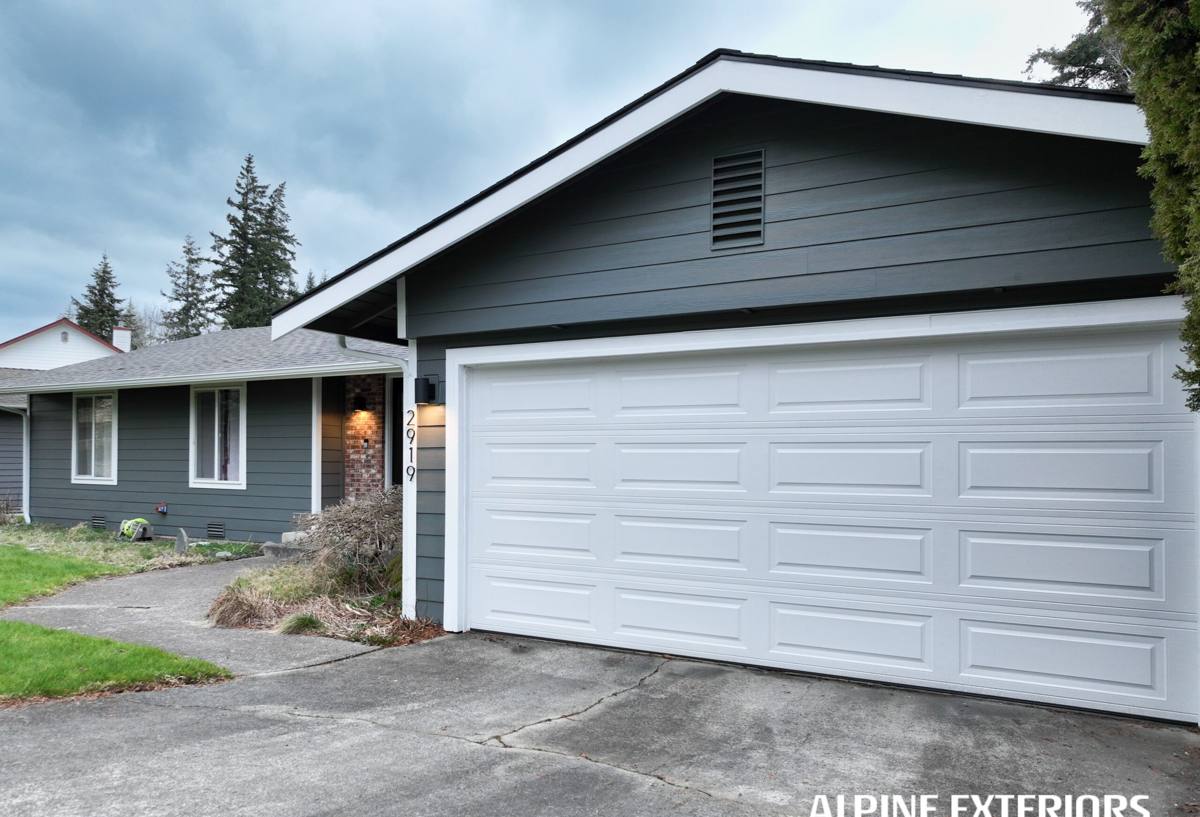
What Seminole's Climate Actually Does to Siding
Every siding failure we get called out for in this area traces back to one or more of four stresses that are constant here in a way they simply aren't for most of the country.
Hurricane-Force Wind
Sustained wind and gusts during tropical systems don't just rip siding off in dramatic fashion — more often they work fasteners loose, flex panels at the edges, and crack corner trim in ways that aren't obvious from the ground. A panel that survived a storm visually intact may already have compromised fastening or hairline cracks that let water in during the next rain.
Intense, Year-Round UV
Florida sun is relentless in every season, not just summer. UV breaks down paint film, dries out and cracks caulk joints, and on some materials causes warping or delamination as the surface degrades faster than the core. Siding on south- and west-facing walls in Ridgecrest typically shows this wear years ahead of shaded elevations.
Wind-Driven Rain
Rain that falls straight down is manageable for any siding system. Rain that's being pushed sideways by 40-60 mph gusts is a different problem — it finds every gap at a seam, a butt joint, a window return, or a piece of trim that's separated even slightly, and it drives water behind the siding into the wall assembly. That's how you get soft spots and hidden rot without an obvious leak.
Salt Air
Being close enough to the coast to catch salt-laden air means faster corrosion on fasteners, flashing, and any exposed metal, plus a chalky, faster paint breakdown on the siding surface itself. Salt exposure doesn't damage siding on its own the way wind or water does, but it accelerates every other failure mode listed here.
None of these four act in isolation on a Ridgecrest home — they compound. A fastener weakened by salt corrosion is more likely to work loose in wind, which opens a gap that wind-driven rain then exploits, while UV has already been drying out the caulk that was supposed to seal that seam.
Signs Your Siding Needs Repair Now
Most siding problems are visible before they become expensive. Homeowners in Ridgecrest should walk the exterior a couple of times a year and watch for these:
- Cracked, split, or chipped boards, especially at corners and butt joints
- Soft or spongy spots when you press on the siding by hand
- Bubbling, peeling, or blistering paint, which usually signals moisture trapped underneath
- Visible gaps at seams, corners, or where siding meets window and door trim
- Rust streaking below fasteners or trim pieces
- Panels that flex, rattle, or look slightly loose in wind
- Persistent mold or mildew in the same spot even after cleaning
- Caulk that's cracked, shrunk, or pulled away from the joint it's supposed to seal
Any one of these on its own is usually a straightforward repair. Several showing up together, especially near each other, often means water has already gotten behind the siding and the repair needs to start with what's underneath, not just what's visible.
Why a Quick Patch Job Doesn't Hold Up Here
It's tempting to fix a cracked board or a gapped seam with a tube of exterior caulk and a can of matching paint. In a milder climate that might buy a few years. In Ridgecrest, with UV breaking down caulk on an accelerated schedule and wind-driven rain testing every seal during storm season, a caulk-only patch is often a repeat visit waiting to happen. Worse, if the underlying cause wasn't addressed — a piece of flashing that's failing, a fastener pattern that wasn't right for the wind exposure, sheathing that's already taken on moisture — the patch just hides the problem until it resurfaces somewhere else on the same wall.
A correct repair treats the visible damage as a symptom and checks what's behind it before closing anything back up.
What a Correct Siding Repair Actually Involves
1. Remove and Inspect
Damaged boards come off, not just cut around. That lets us see the house wrap, flashing, and sheathing behind the siding and confirm whether water intrusion has caused any hidden damage that needs to be addressed before new material goes back on.
2. Fix the Cause, Not Just the Symptom
If the damage traces back to a flashing detail at a window or door, a missing kick-out flashing, or a seam that was never sealed correctly, that gets corrected as part of the repair. Reinstalling siding over an unresolved water path just delays the next failure.
3. Match the Material
Siding repairs stand out fast if the replacement piece doesn't match in profile, texture, or color. We source material that matches what's already on the home as closely as possible, and where the home is finished in a factory ColorPlus finish, we work to get that match right rather than relying on field-mixed paint that will weather differently over time.
4. Fasten and Seal for the Wind Zone
Pinellas County's wind exposure calls for fastening patterns and sealant details that hold up to real storm loads, not the minimum that gets by in a low-wind region. Repairs are fastened and sealed to that standard, not patched to look right and hope for the best.
5. Final Check
Before we consider a repair finished, we walk the section with the homeowner, confirm the color and profile match, and check that seams and joints are properly sealed against wind-driven rain.
Repair or Replace? How to Think About It
Not every damaged section needs a full re-side, and not every repair is worth doing if the underlying siding is near the end of its service life. These are the factors that actually matter when deciding:
| Factor | Leans Toward Repair | Leans Toward Replacement |
|---|---|---|
| Extent of damage | Isolated to one or two sections | Spread across multiple elevations |
| Age of existing siding | Under 10-15 years, otherwise sound | Nearing or past typical service life |
| Moisture behind panels | Localized, sheathing intact | Widespread, sheathing compromised |
| Material still available/matchable | Yes, can match profile and finish | Discontinued or badly faded elsewhere |
| Cost over time | One-time targeted fix | Repeated repairs adding up |
When we inspect a Ridgecrest home, we'll tell you honestly which side of that table the situation falls on. If a targeted repair solves it, that's what we'll recommend and price — we don't upsell a full replacement when it isn't needed.
Our Repair Process
- Free on-site inspection — we look at the visible damage and check for hidden moisture behind it, not just what's obvious from the driveway.
- Written scope and estimate — you'll know exactly what's being repaired, why, and what it costs before any work starts.
- Material sourcing and matching — we confirm the closest match to your existing siding's profile and finish before ordering.
- Scheduled around weather — repair work gets timed to avoid working exposed sections into an approaching storm system.
- Final walkthrough — we review the completed repair with you before calling the job done.
Why We Only Repair With James Hardie Fiber Cement
Our company installs James Hardie fiber cement exclusively, and that standard carries through to repair work. When we're replacing a damaged section, we're not going to introduce a different material into a wall that's otherwise fiber cement, and if a home is being repaired with a different siding product entirely, we'll walk you through the trade-offs honestly rather than just patching it and moving on.
Hardie's HZ5 product line is engineered for climates like Florida's — the combination of humidity, intense sun, and storm exposure that Ridgecrest sees every year. It's non-combustible, resists moisture-related swelling and rot far better than wood-based alternatives, and the ColorPlus factory finish is baked on and warrantied against fading in a way field-applied paint isn't. For a repair, that finish also happens to be the reason we can often get a genuinely close color match instead of an obvious patch. Hardie also backs its products with a strong transferable warranty, which matters on a repair just as much as it does on a full install — the section we replace should hold up as long as the rest of your siding, not fail again in a few years.
Why It Matters to Hire a Crew That Already Works Ridgecrest
Siding repair isn't identical everywhere, and a crew that mostly works inland jobs may not think first about wind-driven rain paths, salt-air fastener corrosion, or the storm-season scheduling that matters in a coastal Pinellas County neighborhood. A crew that's already familiar with how homes in this specific area take on damage tends to diagnose the actual cause faster, because they've seen the pattern before on a house down the street rather than guessing from a textbook.
There's also a practical side to it: local crews are easier to reach for a follow-up question, more likely to be available on short notice after a storm, and have a reputation in the neighborhood worth protecting — which is exactly the kind of accountability you want on a repair job.
If your Ridgecrest home has siding damage, whether it's one cracked corner board or a section that's been bothering you for a while, we're happy to come take a look. The estimate is free, there's no pressure to do more work than the house actually needs, and you'll get a straight answer about whether it's a repair or something bigger.