 Seminole Siding
 Siding Installation on a Barrier Island Is Not the Same Job as Siding Installation Inland
Belleair Beach sits on a narrow barrier island in Pinellas County, with the Gulf of Mexico on one side and the Intracoastal Waterway on the other. That location is what makes the neighborhood beautiful, and it's also what makes siding installation here a different job than the same work done a few miles inland. Homes on this stretch of coast take on salt-laden air almost every day of the year, get more direct and more constant UV exposure than homes shielded by tree canopy or distance from open water, and sit directly in the path of tropical systems and seasonal wind events with nothing to slow the wind down before it hits the wall.
None of that means siding can't perform well here. It means the installation has to account for conditions that a generic, one-size-fits-all approach ignores. A siding job that would hold up fine in a shaded inland subdivision can fail early on a barrier island home if the fastening, flashing, and material choice weren't matched to what this specific location throws at a house.
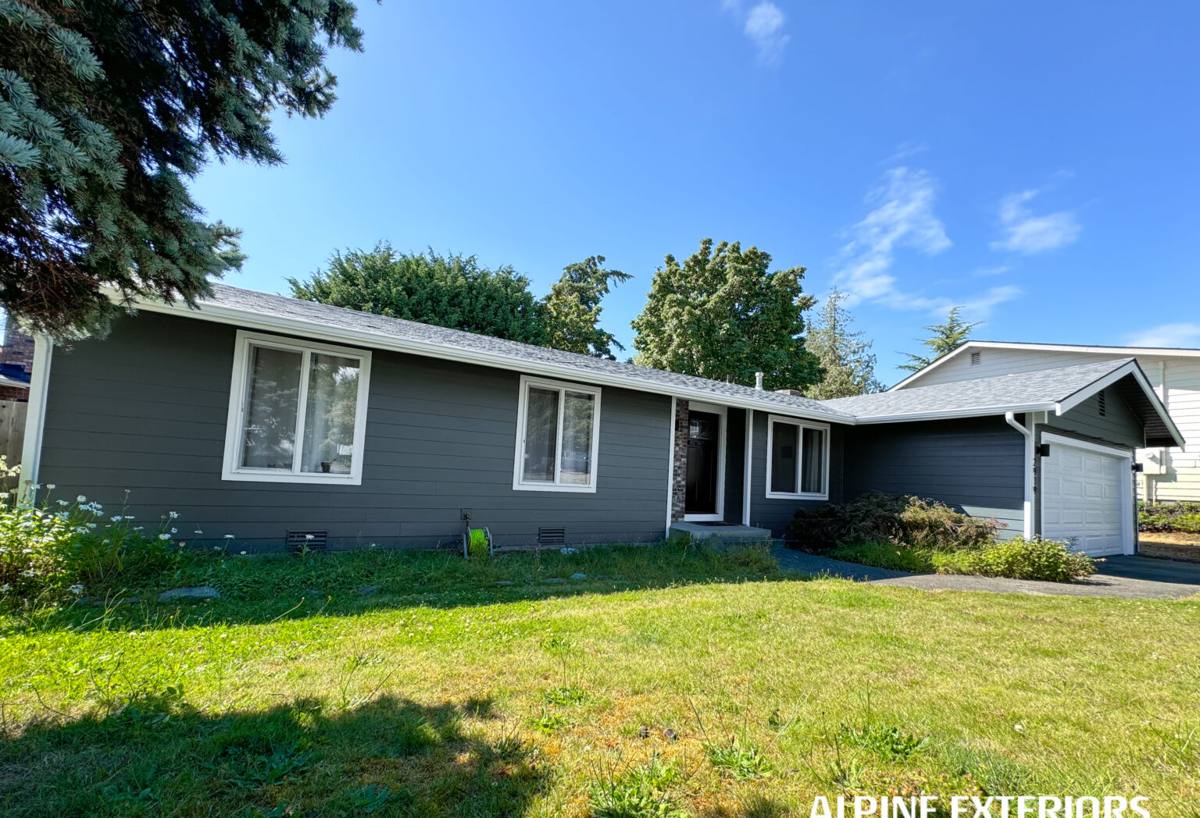
What Belleair Beach's Climate Actually Does to Siding
Salt Air and Corrosion
Airborne salt doesn't just sit on the surface of a wall — it works into fastener heads, joints, and any gap in a coating over time. Standard fasteners and trim details that are fine 20 miles inland can corrode noticeably faster this close to open Gulf water, which is why material and hardware selection near the coast matters more than it does elsewhere in the county.
Wind Load
Barrier island homes face wind loads that inland homes simply don't see, both from everyday Gulf breeze and from tropical systems. Siding on a home like this needs a fastening schedule and an underlying wall assembly engineered for those loads — not the minimum fastening pattern that would pass inspection on a sheltered inland lot.
UV Exposure
Direct, near-constant sun exposure fades and degrades lower-quality siding finishes faster than it does in shaded areas. A factory finish that's engineered to resist UV breakdown holds its color and its protective integrity far longer than a field-applied paint job that starts degrading the first summer.
Wind-Driven Rain
It's not just how much rain falls — it's how it arrives. Wind-driven rain during storms pushes water sideways and upward into laps, joints, and penetrations that would stay dry in a calmer rain event. If the weather-resistive barrier and flashing details underneath the siding aren't done correctly, this is where water finds its way into the wall assembly, often long before there's any visible sign on the surface.
What a Correct Siding Installation Actually Involves
Siding installation is often talked about like it's just hanging panels on a wall. On a coastal home, the panels are the last and least complicated part of the job. What happens underneath and around them is what determines whether the siding lasts.
The Weather-Resistive Barrier
Before any siding goes up, the wall needs a properly lapped and sealed weather-resistive barrier. This is the layer that manages any moisture that gets past the siding itself — every seam, overlap, and fastener penetration in this layer has to be done correctly, because it's invisible once the siding is on and mistakes here don't show up until there's already damage.
Flashing at Every Penetration
Windows, doors, vents, hose bibs, light fixtures, and any other wall penetration needs proper flashing that directs water back out and away from the wall assembly, not into it. On a home exposed to wind-driven rain, flashing details that get treated as an afterthought are usually the first place a home develops hidden moisture problems.
Fastening for Wind Exposure
Fastener type, length, spacing, and placement all need to match the wind exposure of the specific home — its height, its distance from open water, and its position relative to other structures that might offer some wind shielding. This isn't a detail you eyeball; it's engineered to the site.
Joint and Seam Treatment
Every horizontal and vertical joint in the siding needs to be treated correctly for the specific product being installed — caulked, flashed, or detailed per the manufacturer's specifications for the climate zone. Skipping or rushing this step is one of the most common ways an otherwise good installation starts failing early.
Why We Install Only James Hardie Fiber Cement Siding
We don't install vinyl, LP SmartSide, primed spruce, cedar, or other fiber cement brands. That's a deliberate standard, not a lack of options. James Hardie fiber cement is non-combustible, holds up to Florida's heat, humidity, and UV exposure far better than wood-based or vinyl alternatives, and comes with a factory-applied ColorPlus finish engineered to resist fading in exactly the kind of sun exposure a Belleair Beach home gets. Hardie also builds its products in climate-specific formulations — the HZ5 line used in this region is engineered for hot, humid, moisture-heavy coastal conditions rather than a generic all-climates version.
The other products we don't install aren't necessarily bad products in every application — they each have real trade-offs around moisture sensitivity, maintenance burden, impact resistance, or long-term appearance that we're not willing to put on a home in this environment. On a barrier island where the siding takes a harder daily beating than almost anywhere else in the county, we'd rather install one product correctly and stand behind it than offer a menu of options with different failure points.
Our Installation Process
- Inspection and assessment. We look at the existing siding, sheathing, and any signs of moisture intrusion before quoting anything. This tells us whether it's a straight re-side or whether there's underlying repair work needed first.
- Removal and substrate check. Old siding comes off and the sheathing underneath gets inspected and repaired as needed. Installing new siding over damaged or rotten sheathing just hides a problem instead of fixing it.
- Weather barrier and flashing. The weather-resistive barrier goes on correctly lapped, and every penetration gets flashed before a single piece of siding is hung.
- Siding installation. James Hardie panels or lap siding go up per manufacturer specification, with fastening matched to the home's wind exposure.
- Finish and detail work. Trim, joints, and caulking are finished to manufacturer spec, and the job site is cleaned up and walked through with the homeowner.
Cost Factors for Siding Installation in Belleair Beach
Every home is different, and we don't quote pricing without seeing the house, but the factors below are what typically move the price up or down on a barrier island installation.
| Factor | Why It Matters |
|---|---|
| Home size and wall complexity | More corners, dormers, and roof lines mean more cutting, flashing, and labor time |
| Condition of existing sheathing | Moisture damage found during tear-off adds repair work before new siding can go on |
| Siding profile chosen | Lap siding, shingle-style panels, and vertical board-and-batten all install differently and price differently |
| Height and access | Multi-story sections or homes elevated on pilings require more scaffolding and staging time |
| Trim and detail scope | Window and door trim, fascia, and soffit work add to the overall scope beyond the flat wall areas |
| Wind exposure of the specific lot | Homes with more direct, unshielded Gulf or waterway exposure may need a more robust fastening schedule |
Why It Matters to Hire a Crew That Already Works This Island
Belleair Beach comes with its own logistics — a barrier island with limited access points, tighter lots than you'll find inland, and permitting that runs through Pinellas County requirements built around coastal and flood-zone construction. A crew that already works this area knows how to plan material staging and site access on a narrow island lot, understands the permitting process for this jurisdiction, and has already worked through the wind and moisture details that barrier island homes require — instead of learning them for the first time on your house.
That local familiarity also shows up in smaller ways: knowing which fastener and hardware upgrades are worth the extra cost this close to open water, recognizing early signs of coastal moisture or corrosion damage during tear-off, and understanding how a specific home's orientation to the Gulf or the Intracoastal affects its wind exposure. None of that is guesswork if you've done this work up and down the Pinellas coastline before.
Signs Your Belleair Beach Home May Need New Siding
- Visible cracking, warping, or soft spots in the current siding
- Paint that's peeling, bubbling, or failing faster than it should
- Rust streaks around fasteners or trim, common in salt air environments
- Gaps or separation at seams, corners, or around windows and doors
- Rising energy bills that suggest the wall assembly isn't performing as it should
- Visible mold, mildew, or musty odors near exterior walls
- Siding that's original to a home built or re-sided more than 20-25 years ago
Any one of these on its own isn't necessarily an emergency, but on a home this close to the Gulf, problems tend to progress faster than they would inland — so it's worth having them looked at sooner rather than later.
Maintenance After Installation
Correctly installed James Hardie siding is low-maintenance, but "low-maintenance" doesn't mean "no maintenance" in a coastal environment. A periodic rinse to clear off salt residue and airborne debris, a visual check of caulking and trim joints after major storms, and prompt attention to any impact damage will keep the installation performing the way it was designed to for the long term. We're happy to walk homeowners through what to watch for after the job is finished.
If your Belleair Beach home needs new siding, or you want a second opinion on siding that isn't holding up the way it should, we're glad to take a look and put together a free, no-pressure estimate.