 Seminole Siding
 Why St. Pete Beach Roofs Wear Out Faster Than Inland Roofs
A house three blocks from the Gulf ages differently than one ten miles inland. St. Pete Beach sits right on the barrier island, which means every roof out there is dealing with a combination of stresses that most Pinellas County homes never see at the same intensity: constant salt-laden air, near-daily UV exposure, wind-driven rain that gets pushed sideways into every seam and lap, and the real possibility of hurricane-force gusts several times a decade. Asphalt shingles take a beating in that environment — granule loss speeds up, seal strips fail early, and salt air accelerates corrosion on any exposed fasteners or flashing.
Metal roofing holds up better against that specific combination of problems, which is why we see more of it going onto St. Pete Beach homes every year. This page covers what a metal roof actually needs to survive out there, what a correct installation looks like, and why local experience matters more on a barrier island than almost anywhere else in the county.
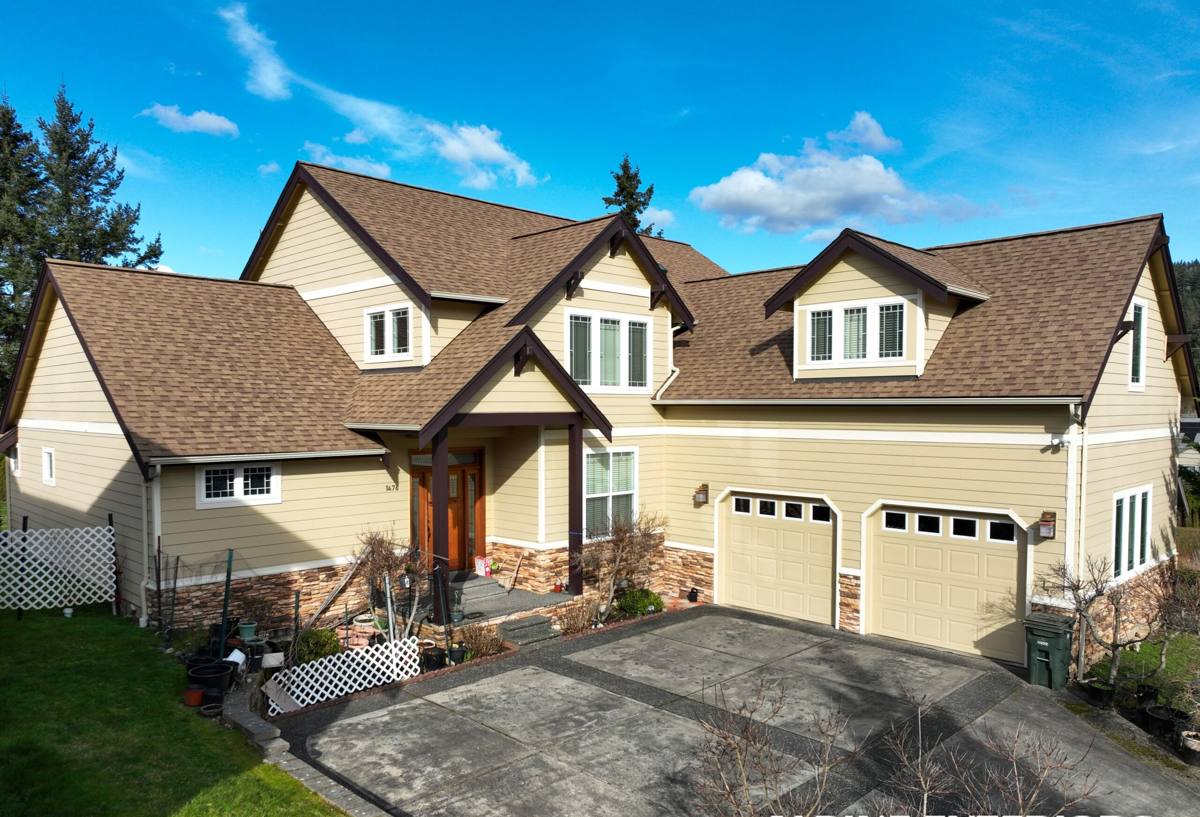
What the Coastal Environment Actually Does to a Roof
Salt Air and Corrosion
Airborne salt doesn't just sit on the surface — it works into fastener heads, panel seams, and any place two dissimilar metals touch. Left unmanaged, that leads to rust streaking, pitting, and eventually fastener failure long before the roof panels themselves wear out. This is the single biggest difference between installing metal roofing in Seminole's inland neighborhoods versus installing it on St. Pete Beach.
UV and Heat Cycling
Florida sun is intense year-round, and a beachfront roof gets full exposure with almost nothing blocking it. UV breaks down coatings over time and drives daily heat expansion and contraction in roofing materials. Panels and fasteners need to be able to move slightly without loosening seams or cracking sealant.
Wind-Driven Rain
Storms here rarely drop rain straight down. Gulf-front and near-Gulf homes routinely take rain sideways at high wind speeds, which means water gets pushed uphill under laps and around penetrations that would stay dry in a calmer climate. Underlayment and flashing details matter more here than the roof covering itself.
Wind Uplift
Pinellas County requires roofing systems to meet Florida Building Code wind-uplift standards, and barrier island homes are held to that standard for good reason. A metal roof is only as wind-resistant as its weakest attachment point — the panel material matters less than how it's fastened down.
Why Metal Roofing Is a Strong Fit for This Area
Metal roofing isn't automatically the right answer for every coastal home, but it addresses several of St. Pete Beach's specific problems well:
- Interlocking or concealed-fastener panel systems shed wind-driven rain better than lapped materials with exposed seams
- Properly coated metal resists UV degradation longer than asphalt granule surfaces
- Metal roofing systems, correctly fastened, are built to meet the wind-uplift ratings required in coastal Pinellas County
- Lighter-weight panel systems reduce structural load compared to some heavier roofing materials, which matters on older beach homes
- A well-installed metal roof can outlast two or three cycles of asphalt shingle replacement, reducing how often the home is exposed to tear-off and re-roofing risk
None of that means a metal roof is maintenance-free near the Gulf. It means the material gives you a better starting point — the installation details determine whether it actually delivers on that potential.
Panel Systems: What We're Actually Comparing
"Metal roofing" covers several different systems, and the right one depends on the home's roof pitch, architectural style, and budget. Here's how the common options compare for a St. Pete Beach application:
| System | Fastening | Best For | Coastal Trade-Offs |
|---|---|---|---|
| Standing seam | Concealed clips, no exposed fasteners on the field | Homes wanting the strongest wind and water performance | Highest material and labor cost, but fewest long-term maintenance points |
| Exposed-fastener panels | Screws driven through the panel face | Budget-conscious projects, secondary structures | More cost-effective upfront, but every fastener is a future maintenance point in salt air |
| Metal shingles/shakes | Interlocking, often concealed fastening | Homes wanting a traditional shingle look with metal performance | More seams than standing seam, so flashing detail at penetrations matters more |
For most Gulf-facing and near-Gulf homes, we steer clients toward standing seam or high-quality concealed-fastener systems specifically because they minimize the number of exposed metal-to-metal contact points that salt air can attack over time. Exposed-fastener systems can still be a sound choice on the right project — it comes down to budget, roof geometry, and how the homeowner weighs upfront cost against long-term fastener maintenance.
What a Correct Installation Actually Involves
The panels get most of the attention, but the parts of a metal roof that fail first in this climate are usually the details underneath and around them.
Deck Inspection and Prep
Before anything goes down, the existing roof deck needs to be checked for rot, delamination, or fastener pull-through — especially on older beach homes where past leaks may have gone unnoticed. Metal roofing installed over a compromised deck will fail regardless of the panel quality.
Underlayment
A high-temperature, self-adhering underlayment is the backup water barrier if wind-driven rain ever gets past the panel laps. This layer matters more on coastal homes than almost anywhere else in the county.
Fastener Selection
Standard steel fasteners corrode fast in salt air. Coastal metal roofing installations should use fasteners rated for the corrosion class of the environment, and materials in contact with each other need to be compatible to avoid galvanic corrosion between dissimilar metals.
Flashing and Penetrations
Every vent pipe, chimney, and roof-to-wall transition is a potential entry point for wind-driven rain. Flashing has to be formed and lapped correctly, not just caulked and hoped for.
Attachment for Wind Uplift
Clip spacing, fastener pattern, and panel-to-deck attachment all need to meet the wind-uplift requirements for the home's location and exposure category under Florida Building Code. This is where cutting corners shows up first in the next storm.
Our Process on a St. Pete Beach Project
- On-site inspection. We look at the existing roof, deck condition, flashing details, and any past leak history before recommending a system.
- System recommendation and estimate. We walk through panel options, coatings, and fastener specs suited to the home's exposure — beachfront properties get different recommendations than homes set back a few blocks.
- Tear-off and deck repair. Old roofing comes off, and any compromised decking gets addressed before underlayment goes down.
- Underlayment and flashing installation. This is the layer that protects the home even if wind ever pushes water past the panels themselves.
- Panel installation. Panels and fasteners go down to the manufacturer's specifications and the wind-uplift requirements for the property.
- Final inspection and cleanup. We walk the finished roof, check every penetration and flashing point, and clear the site.
Why Local Experience Matters More on a Barrier Island
St. Pete Beach isn't just "coastal Florida" in a general sense — it has its own logistics. Access can be tighter than on the mainland, permitting has to account for the property's flood zone and wind exposure category, and the salt exposure right off the Gulf is more aggressive than a few miles inland in Seminole. A crew that regularly works this specific stretch of Pinellas County already knows which fastener grades hold up, which flashing details fail first in this environment, and how to sequence a project around barrier island access and weather windows.
That experience shows up in details a homeowner might not think to ask about — coating specifications, fastener corrosion class, clip spacing — but that make the difference between a roof that looks good for five years and one that performs for decades.
Maintenance: What to Expect After Installation
A correctly installed metal roof is low-maintenance, not no-maintenance, especially this close to the Gulf. A simple annual check goes a long way:
- Rinse off salt residue and debris, especially after storms, to limit corrosion buildup
- Check flashing around vents, chimneys, and roof-to-wall transitions for gaps or lifted edges
- Look for any early rust or staining at fastener heads or seams
- Clear gutters and downspouts so water isn't backing up under roof edges
- Trim back overhanging vegetation that traps moisture and debris against the roof surface
Getting Started
If you're weighing metal roofing for a St. Pete Beach home — whether it's a full replacement or you're planning ahead for a re-roof — we're happy to take a look and walk you through what your specific property needs given its exposure and roof geometry. Reach out for a free, no-pressure estimate using the form below.