 Seminole Siding
 Roof Repair Built for a Barrier Island Climate
St. Pete Beach roofs live a harder life than roofs a few miles inland. Being surrounded by the Gulf and Boca Ciega Bay means every roof here deals with salt-laden air, near-constant humidity, and direct exposure to wind whenever a storm moves through Pinellas County. Add in Florida's year-round UV load and the kind of wind-driven rain that finds every weak seam, and it's no surprise roofs on the barrier island show wear faster than the statistics for the county as a whole would suggest. Repairing a roof out here isn't just patching a leak — it's understanding why that leak happened in this specific environment and making sure the fix holds up to the next round of the same conditions.
We work on homes throughout the St. Pete Beach area regularly, which means we're not guessing at how local roofs age. We've seen how salt air pits exposed fasteners, how UV bakes out the oils in shingle asphalt faster near open water, and how wind uplift concentrates at eaves, ridges, and any place a roof plane changes direction. That local pattern recognition is what separates a repair that lasts from one that reopens in a year.
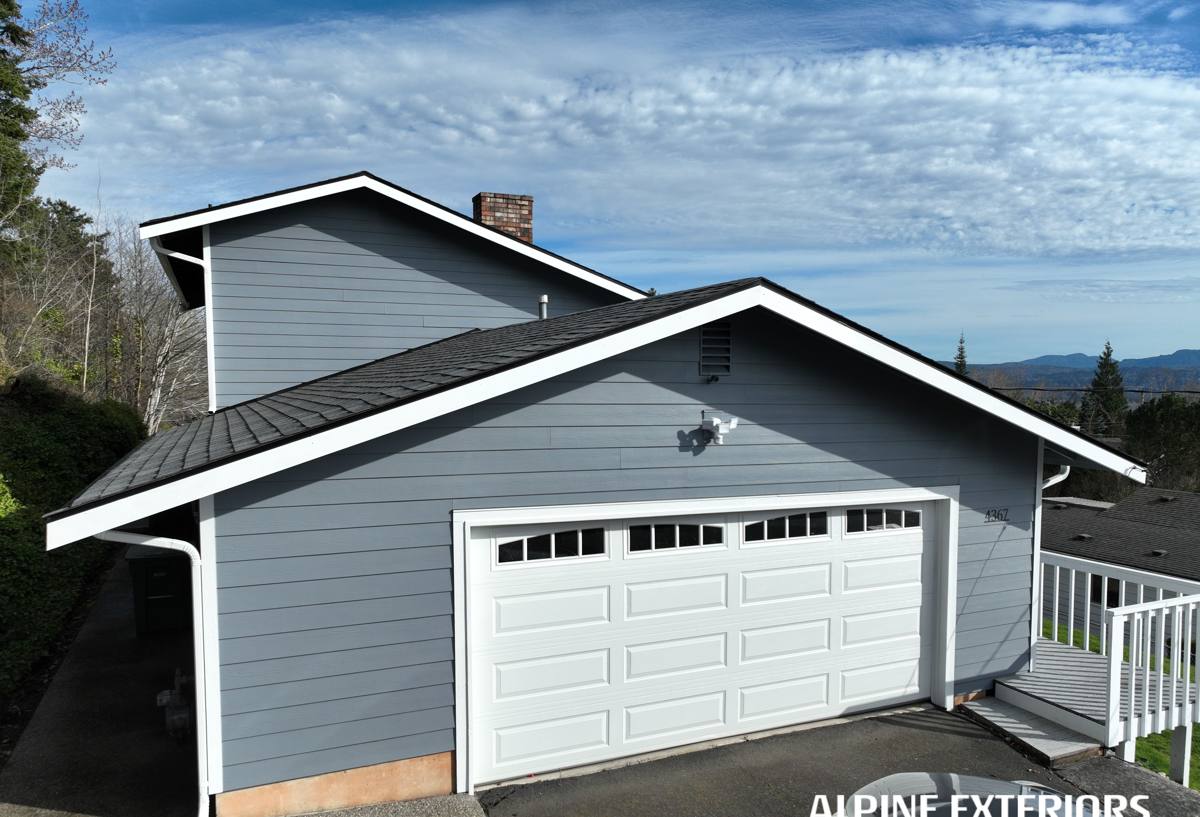
Why Coastal Conditions Wear Roofs Down Faster
Salt Air and Corrosion
Airborne salt doesn't just sit on the surface — it works into metal fasteners, flashing, and drip edges, accelerating corrosion well beyond what you'd see on an inland roof of the same age. Once a fastener or flashing seam starts to corrode, it stops sealing the way it was designed to, and that's usually where a leak starts. On St. Pete Beach roofs, we check flashing and exposed metal more carefully than we would elsewhere, because it's often the first thing to fail.
UV Exposure
Florida sun is intense everywhere, but a roof with unobstructed exposure to reflected light off the water gets hit from more angles for more of the day. That UV load dries out asphalt shingles, causes granule loss, and makes underlayment brittle faster. A roof that would have another five good years inland may need attention sooner out here.
Wind and Wind-Driven Rain
Even outside of a named storm, St. Pete Beach gets regular gusty weather off the Gulf. Wind doesn't just risk lifting shingles or tiles — wind-driven rain can push water sideways under flashing and up under shingle edges that would stay dry in a straight-down rain. A lot of the leaks we diagnose here didn't come from rain falling on the roof; they came from rain being driven into it horizontally.
Humidity and Moisture Retention
Constant coastal humidity means roof decking and underlayment don't get much chance to fully dry out between rain events. That sustained moisture is what turns a small unnoticed leak into rot or mold in the decking before a homeowner ever sees a stain on the ceiling.
What a Correct Roof Repair Actually Involves
A roof repair done right isn't just sealing the spot where water is showing up inside. Water travels along the roof deck and rafters before it ever drips through a ceiling, so the visible leak and the actual entry point are often in different places. Our process on every repair includes:
- Tracing the leak path from the interior stain or damp spot back to its actual source on the roof, not just patching the nearest visible gap
- Inspecting flashing around penetrations — vents, stacks, chimneys, skylights — since these are the most common failure points on coastal roofs
- Checking valleys and roof-to-wall transitions, where wind-driven rain is most likely to get pushed under materials
- Assessing decking condition where moisture has been present, since wet or soft decking needs to be addressed, not just covered over
- Matching repair materials to the existing roof so the fix blends in and performs consistently with the rest of the system
- Confirming fasteners and flashing metal are corrosion-resistant and rated for the coastal environment, not standard inland-grade hardware
Skipping any of these steps is how a "fixed" roof ends up leaking again from the same general area within a season. A patch over a symptom without addressing the underlying entry point or the condition of the decking underneath is a short-term fix dressed up as a repair.
Common Roof Repair Issues We See in St. Pete Beach
| Issue | Typical Cause Near the Coast | What's Involved in the Fix |
|---|---|---|
| Lifted or missing shingles | Wind uplift, UV-brittled shingle edges | Replace damaged shingles, check adjacent fasteners and seal strips |
| Flashing leaks around vents/chimneys | Corroded fasteners, degraded sealant from UV and salt exposure | Remove and replace flashing, re-seal with coastal-rated materials |
| Valley leaks | Wind-driven rain overwhelming valley metal or shingle overlap | Inspect valley underlayment, correct metal or shingle installation |
| Soft or stained decking | Prolonged moisture retention from an undetected slow leak | Cut back to sound decking, replace, then repair the roofing above it |
| Granule loss / thinning shingles | Intense, reflected UV exposure over time | Assess whether localized repair is enough or the section needs replacement |
| Corroded fasteners or drip edge | Airborne salt accelerating metal breakdown | Replace with corrosion-resistant hardware rated for coastal use |
Repair vs. Replacement: How We Help You Decide
Not every roof issue on St. Pete Beach calls for a full replacement, and not every leak should just be patched and left alone. The honest answer depends on a few factors we walk through with every homeowner:
- Age of the roof — a roof already near the end of its expected service life may not be worth repeated repairs
- Extent of the damage — isolated flashing or valley issues are usually a straightforward repair; widespread granule loss or multiple leak points across different roof planes point toward replacement
- Decking condition — if moisture has compromised a significant area of decking, that changes the scope and cost calculation
- History of repairs — a roof that's needed several repairs in a short span is telling you something about its overall condition
- Insurance and storm damage considerations — wind or storm-related damage sometimes changes what makes financial sense
We'll give you a straight answer on which category your roof falls into. We don't have any incentive to push a full replacement when a repair will genuinely hold — but we also won't recommend patching a roof that's going to keep costing you money in return visits.
Our Roof Repair Process
1. Inspection and Diagnosis
We start by physically inspecting the roof — not just the spot where you're seeing a leak inside. That includes checking flashing, valleys, penetrations, and general shingle or tile condition, since coastal wear often shows up in more than one place at a time.
2. Clear Explanation and Estimate
Once we know what's actually going on, we explain it in plain terms: what's causing the issue, what it takes to fix it correctly, and what it costs. No pressure, no inflated scope.
3. The Repair
We complete the work using materials suited to the coastal environment — corrosion-resistant fasteners, proper flashing metal, and underlayment appropriate for the humidity and UV exposure St. Pete Beach roofs deal with. We match repairs to your existing roofing material so the fix performs consistently, not just looks acceptable from the ground.
4. Verification
Before we consider the job done, we confirm the repair area is properly sealed and integrated with the surrounding roof, and we check that we haven't left any secondary vulnerabilities nearby.
Why Hiring a Crew That Already Works St. Pete Beach Matters
Roofing crews that mostly work inland can do fine work on an inland roof and still misjudge what a barrier island roof needs. The differences aren't cosmetic — they affect what materials hold up, where leaks are most likely to originate, and how a roof should be inspected in the first place. A crew that regularly works St. Pete Beach and the surrounding Pinellas County coastline already knows:
- Which flashing and fastener grades actually hold up against salt air instead of corroding within a few years
- Where wind-driven rain typically gets into a roof system on homes exposed to open water
- How to distinguish a roof that's genuinely due for replacement from one that just needs a properly done repair
- What local permitting and code requirements apply to roof work in the area
That familiarity means less time spent diagnosing and more time spent fixing the actual problem correctly the first time.
Maintaining Your Roof Between Repairs
A repair is only as good as the maintenance that follows it. A few habits go a long way for roofs in this environment:
- Have your roof visually inspected after any significant wind event, even if you don't see an active leak
- Keep gutters and downspouts clear so water isn't sitting against roof edges or fascia longer than it needs to
- Watch for granule buildup in gutters, which can signal accelerating shingle wear
- Address small leaks promptly — a delay of a few months in a humid coastal climate can turn a minor repair into a decking replacement
- Have flashing and sealant checked periodically, since these wear out faster near the water than the roofing material itself does
If you're dealing with a leak, storm damage, or just want an honest read on your roof's condition, we're happy to take a look. Fill out the form below for a free, no-pressure estimate — we'll tell you exactly what we find and what it would take to fix it right.