 Seminole Siding
 Metal Roofing Built for St. Petersburg's Climate
St. Petersburg sits close to the water on almost every side, which means homes here take a harder hit from the elements than roofs just a few miles inland. Between hurricane-force wind gusts, wind-driven rain that finds every weak seam, salt air that eats through unprotected metal, and some of the most intense year-round UV exposure in the continental United States, a roof in this part of Pinellas County has to work harder than roofs almost anywhere else in the country. Metal roofing, installed correctly with the right coatings and fasteners, is one of the few roofing systems built to stand up to all four of those stresses at once.
This page focuses specifically on metal roofing for homes in the St. Petersburg area — what the local climate demands from the system, what a correct installation actually involves, and how we approach the job differently than a crew that doesn't work this coastline regularly.
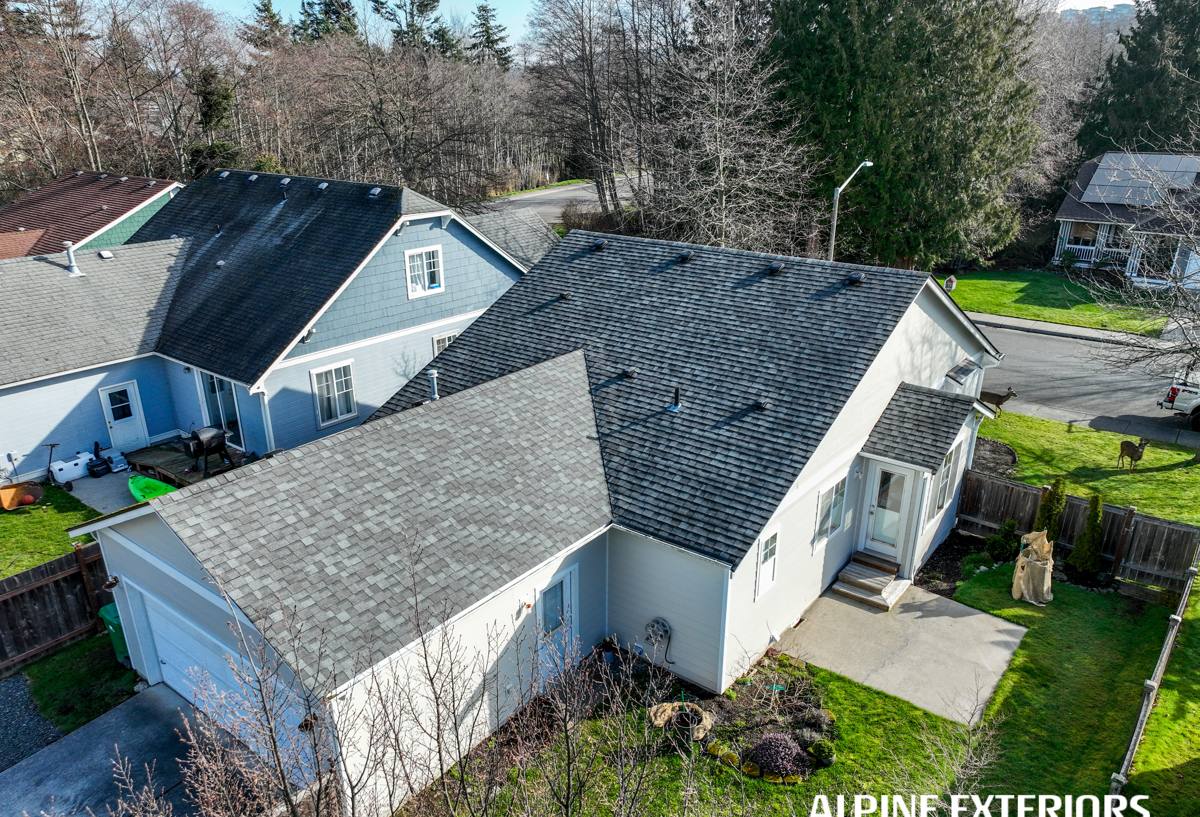
What Coastal Pinellas County Weather Does to a Roof
Every roofing material eventually loses a fight with the weather. The question is how long it holds out and how gracefully it fails. In St. Petersburg, the roof is dealing with several stresses layered on top of each other:
Wind
Tropical storm and hurricane-force gusts are a real part of life this close to Tampa Bay and the Gulf. Wind doesn't just push down on a roof — it creates uplift at edges, corners, and ridges, which is where most wind-related roof failures start. A metal roof's wind resistance comes almost entirely from how it's fastened and how the panels interlock, not from the metal itself.
Wind-Driven Rain
Rain that comes in sideways during a squall behaves differently than rain that falls straight down. It gets pushed up under laps, around penetrations, and into any gap that a calm-weather installation would never expose. Underlayment and flashing details matter more here than in drier, calmer climates.
Salt Air
Being close to the coast means airborne salt is a constant, low-level presence, even miles from the water. Salt accelerates corrosion on fasteners, cut edges, and any exposed steel. Not every metal roofing product or fastener is rated for this kind of exposure, and using the wrong one shortens the life of the whole system regardless of how well it was installed.
UV Exposure
Florida sun is intense and consistent almost every month of the year. UV breaks down coatings, fades finishes unevenly, and dries out sealants faster than in most other states. A roof's finish system has to be rated for this kind of sustained exposure, not just resistant to occasional sun.
Why Metal Holds Up Well Against All Four
Metal roofing isn't automatically hurricane-proof or maintenance-free — no roofing material is. But when the panel gauge, fastening system, and coatings are matched to a coastal environment, metal offers real advantages over other roofing types for a home in this area:
- Interlocking or concealed-fastener panel systems resist wind uplift better than roofs that rely on exposed fasteners or adhesive alone
- Solid metal panels shed wind-driven rain more consistently than assemblies made of many small overlapping pieces
- Properly coated steel and aluminum resist salt-air corrosion far longer than uncoated or poorly finished metal
- Reflective finishes reduce heat absorption, which helps with both roof longevity and cooling costs in a climate with very little relief from the sun
The trade-off is that metal roofing is unforgiving of shortcuts. Every one of those advantages depends on correct installation — the material itself doesn't do the work alone.
Panel Types and Finish Options
Not every metal roofing product is built the same way, and the right choice depends on the home's style, budget, and how long the owner plans to stay in it. Here's an honest comparison of the options we most commonly discuss with St. Petersburg homeowners:
| Panel Type | Best For | Coastal Considerations |
|---|---|---|
| Standing seam (concealed fasteners) | Homes wanting the longest service life and cleanest look | Best wind and water performance; fasteners are hidden and protected from salt exposure |
| Exposed-fastener panels | Budget-conscious projects, outbuildings, garages | Lower upfront cost, but fasteners need periodic inspection since they're exposed to salt air and sun |
| Stone-coated steel | Homeowners who want the look of tile or shingle with metal's durability | Heavier system; coating protects the steel core from corrosion |
| Aluminum panels | Homes very close to the water | Naturally corrosion-resistant, doesn't rust, good option for the most salt-exposed lots |
For most St. Petersburg homes, we lean toward standing seam or aluminum systems specifically because of proximity to Tampa Bay and the Gulf — the concealed fasteners and corrosion resistance are worth the difference in upfront cost for a lot of owners once they understand the trade-off.
What a Correct Metal Roof Installation Actually Involves
The panels get most of the attention, but the parts of a metal roof that determine whether it survives a real storm are mostly things you can't see once the job is done.
Deck Inspection and Prep
Before any underlayment goes down, the roof deck needs to be sound. Soft spots, old fastener holes, and water-damaged sheathing all get addressed first — installing a metal roof over a compromised deck just hides a problem instead of fixing it.
Underlayment
A high-quality synthetic or self-adhering underlayment is the roof's backup line of defense against wind-driven rain. In a coastal climate like this one, we don't treat underlayment as an afterthought — it's the layer that keeps the house dry if wind ever drives water past the panel seams.
Fastening and Panel Attachment
This is where wind resistance is actually won or lost. Fastener spacing, clip type, and panel overlap all need to match the wind exposure of the specific home — a house on a more exposed lot near open water needs a tighter fastening pattern than one tucked behind other structures.
Flashing and Penetrations
Chimneys, vents, skylights, and wall transitions are where most roof leaks start, metal roofs included. Correct flashing detail at every penetration matters more than almost anything else on the job.
Edge and Ridge Detail
Roof edges, eaves, and ridges see the highest wind uplift forces during a storm. These areas get reinforced attachment and properly formed trim so the roof's edges don't become the failure point.
Our Process, Start to Finish
1. On-Site Inspection and Honest Assessment
We start by walking the roof and attic (where accessible) to understand the current deck condition, existing ventilation, and any problem areas. We'll tell you plainly if a full metal roof is the right call or if a repair or a different system makes more sense for your situation and budget.
2. Clear Scope and Written Estimate
You get a written scope that spells out panel type, underlayment, flashing details, and fastening approach — not just a single price with no explanation of what's included.
3. Tear-Off and Deck Prep
Old roofing material comes off, the deck gets inspected and repaired as needed, and the job site is protected throughout.
4. Underlayment and Flashing Installation
We install underlayment and flash every penetration before a single panel goes down, since these layers are much harder to fix correctly after the fact.
5. Panel Installation
Panels go on with fastening and seam details matched to your home's wind exposure, not a one-size-fits-all pattern.
6. Final Walkthrough
We walk the finished roof with you, review the work, and make sure you know what maintenance (if any) the system needs going forward.
What Drives the Cost of a Metal Roof
Metal roofing costs more upfront than asphalt shingles, and the total depends on several factors specific to your home and site:
| Factor | Why It Matters |
|---|---|
| Panel type and gauge | Standing seam and heavier-gauge metal cost more than exposed-fastener panels but last longer and perform better in wind |
| Roof complexity | More hips, valleys, and penetrations mean more flashing work and labor time |
| Deck condition | Rotted or damaged sheathing found during tear-off adds repair cost but is necessary for a sound installation |
| Wind exposure of the lot | Homes closer to open water may need tighter fastening patterns and additional bracing detail |
| Coating and finish | Higher-grade corrosion and UV-resistant finishes cost more but matter significantly in this climate |
We'll walk through these factors specific to your home during the estimate so you understand exactly what you're paying for, rather than being handed a number with no explanation.
Signs Your Current Roof May Need Attention
Whether you already have a metal roof or you're weighing a switch from another material, a few warning signs are worth a call sooner rather than later:
- Visible rust streaking or corrosion at fasteners, seams, or cut edges
- Loose, lifted, or missing panels after a storm
- Chalky or faded finish that's lost its reflective coating
- Leaks or staining around chimneys, vents, or skylights
- Soft or spongy spots noticed from the attic, especially after heavy rain
- Panels that "oil-can" (visible waviness) more than expected for the product type
None of these automatically mean a full replacement, but they're worth a professional look before the next storm season tests them.
Why Hiring a Crew That Already Works St. Petersburg Matters
Metal roofing installation isn't unique to this region, but the details that make it last here are. A crew that mostly works inland, calmer climates may not default to the fastening patterns, underlayment specs, or corrosion-resistant fasteners that a Tampa Bay-area coastal home actually needs. We work throughout Seminole and the surrounding St. Petersburg area regularly, which means we're not guessing at how a roof needs to perform against this specific combination of wind, salt, and sun — it's what we see and account for on every job in this part of Pinellas County.
Maintenance That Actually Extends the Life of a Metal Roof
A well-installed metal roof doesn't need much, but a little attention goes a long way in a coastal climate:
- Rinse off accumulated salt and debris periodically, especially on homes closer to the water
- Keep gutters and downspouts clear so water isn't sitting against roof edges
- After major storms, do a visual check (or have us check) for lifted panels or damaged flashing
- Trim back overhanging branches that can scratch coatings or drop debris into valleys
None of this is demanding, but skipping it in a salt-air environment shortens the life of even a well-installed system.
Get a Straightforward Estimate
If you're weighing a metal roof for your St. Petersburg home, we're happy to take a look, answer your questions honestly, and put together a clear, no-pressure estimate based on your roof's actual condition and exposure — not a generic quote. Fill out the form below to get started.