 Seminole Siding
 Why Treasure Island Roofs Wear Out Faster Than Inland Roofs
Treasure Island sits right on the Gulf, and that location is exactly what makes roofing here different from roofing ten miles inland in Seminole or Largo. A roof on this barrier island deals with airborne salt spray almost every day of the year, not just after a storm. Combine that with intense, near-constant Florida UV exposure, wind-driven rain that gets pushed sideways under poorly sealed edges, and the real possibility of hurricane-force gusts, and you have an environment that ages roofing materials on an accelerated timeline. A shingle or metal roof that would hold up for decades in a drier, calmer climate can show corrosion, fastener failure, or granule loss years ahead of schedule out here.
None of that means metal roofing is a bad choice for Treasure Island — it's often the opposite. Metal, when specified and installed correctly for a coastal environment, handles wind uplift and driving rain better than most other roofing materials. But "correctly" is doing a lot of work in that sentence. The wrong alloy, the wrong fastener, or a rushed install will corrode and fail faster here than almost anywhere else in Pinellas County.
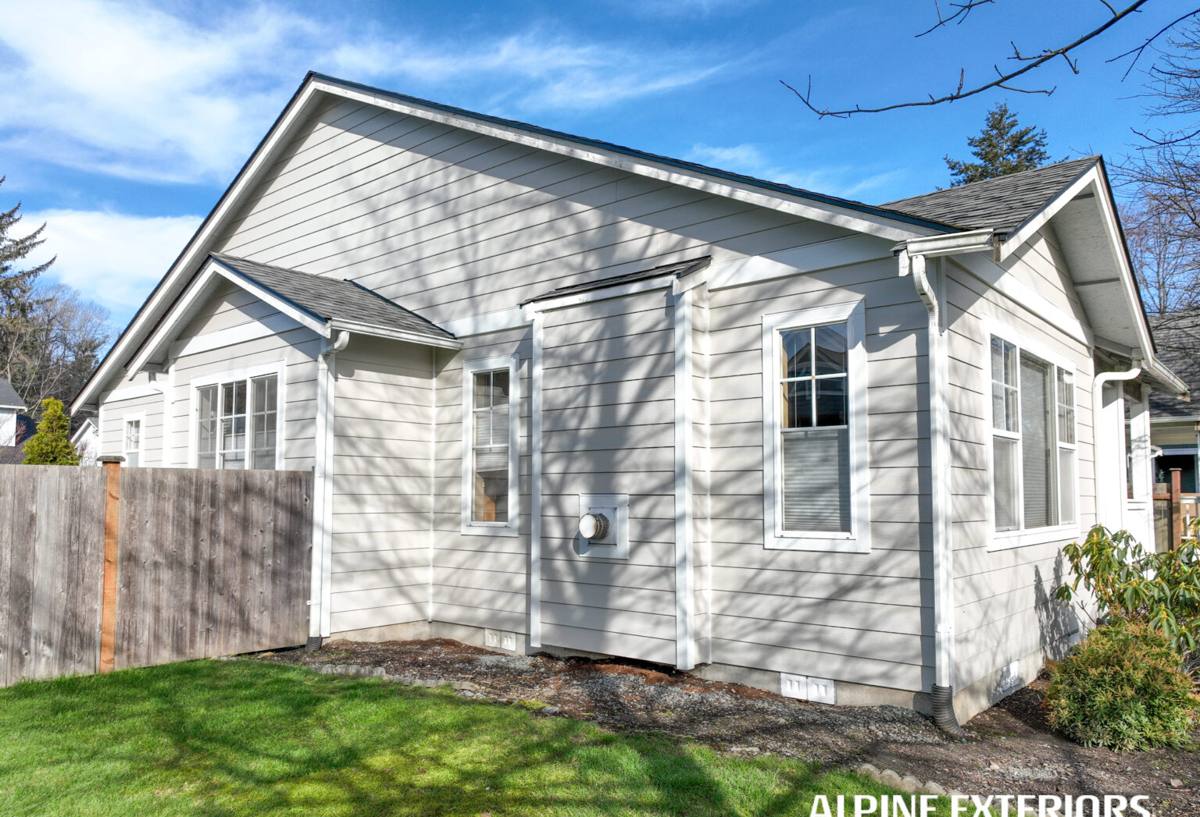
What a Correct Metal Roof Installation Involves
A metal roof is a system, not just a layer of panels. Each part of that system has to be right for coastal conditions, or the whole roof underperforms regardless of how good the panels themselves are.
Deck and Substrate
We check the roof deck for soft spots, rot, and existing moisture damage before anything goes down. On an island property, previous water intrusion around old flashing or fastener penetrations is common even when the roof looks fine from the ground. Any compromised decking gets replaced — installing new metal over a weak deck just hides a problem that will resurface later.
Underlayment
We use a high-temperature, self-adhering underlayment rated for coastal and high-wind exposure, not a basic felt product. This layer is your backup water barrier if wind ever drives rain up under a seam or around a penetration, which happens more often near the water than it does inland.
Fastening and Attachment
This is where a lot of roofs fail during storms, and it's not usually the panel's fault — it's the fastening pattern and clip spacing. We follow fastening schedules sized to the wind uplift requirements for this part of Pinellas County, not a generic manufacturer minimum. That includes correct clip spacing for standing seam systems and correct screw patterns and stitch spacing for exposed-fastener panels.
Flashing and Penetrations
Valleys, wall transitions, chimneys, vent stacks, and skylight curbs are where nearly every roof leak actually starts, metal or otherwise. We detail these with coastal-grade flashing and sealants rated for constant UV and salt exposure, not general-purpose caulk that chalks and cracks within a couple of seasons out here.
Choosing the Right Metal System for a Barrier Island Home
Not every metal roofing profile makes sense for a saltwater-adjacent property. Here's how the common options compare for a home like yours on Treasure Island.
| System | Coastal Suitability | Trade-offs |
|---|---|---|
| Standing seam (concealed fastener) | Best fit for direct coastal exposure | Higher upfront cost; no exposed screws to maintain or re-seal over time |
| Exposed-fastener panel (screw-down) | Workable with the right screws and maintenance plan | Lower cost, but fastener gaskets degrade under UV and need periodic inspection |
| Metal shingle/shake panels | Acceptable, more detail work | More seams and laps means more places for salt-driven corrosion to start |
| Uncoated or mill-finish steel | Not recommended this close to the Gulf | Corrodes noticeably faster without a marine-grade coating system |
For most homes on the island, we lean toward standing seam because the concealed fastener design removes the weakest point of a coastal metal roof — exposed screw penetrations that rely on a rubber washer to stay watertight for the life of the roof. That washer is the first thing UV and salt air degrade.
Material and Coating Matter More Here Than Almost Anywhere
Salt air accelerates corrosion on any exposed metal, but not all metal roofing corrodes at the same rate. Aluminum is naturally corrosion-resistant and is often our first recommendation for properties this close to saltwater, since it doesn't rely entirely on a coating to resist rust. Galvanized and Galvalume steel panels can also perform well here, but only with a quality paint finish system designed for coastal exposure, and that finish needs to stay intact — scratches and cut edges are where corrosion gets a foothold, so proper edge treatment during fabrication and installation matters. We won't cut corners on coating quality just to hit a lower price point, because that's the exact shortcut that shows up as rust streaks and premature failure in a few years on an island roof.
Wind Performance: What "Hurricane-Rated" Actually Requires
Pinellas County, including Treasure Island, falls under Florida Building Code wind provisions that require roofing systems to meet specific uplift resistance for this coastal wind zone. A metal roof's wind rating on paper only matters if the installation matches the tested assembly it earned that rating with — the right panel gauge, the right clip or fastener spacing, and the right underlayment and deck attachment. We pull permits and install to the wind-uplift specifications that apply to this area, and we can walk you through what that means for your specific roof pitch and exposure before we start.
Our Process, Start to Finish
- On-site inspection and measurement — we look at your existing roof, deck condition, and any problem areas before quoting anything.
- Written estimate — panel type, gauge, coating, and fastening plan spelled out, not a vague lump-sum number.
- Permitting — we handle the permit process for your jurisdiction and wind zone.
- Tear-off and deck repair — old roofing removed, deck inspected and repaired as needed.
- Underlayment and flashing installation — the coastal-grade water barrier and detail work that protects the home even if a panel seam is ever compromised.
- Panel installation — installed to the fastening schedule the wind rating requires.
- Final walkthrough — we go over the finished roof with you and explain what maintenance, if any, it needs going forward.
Maintenance a Treasure Island Homeowner Should Actually Do
A well-installed metal roof is low-maintenance, not no-maintenance, especially this close to saltwater. A short annual routine catches small issues before they become leaks.
- Rinse accumulated salt residue off the roof surface periodically, especially after long dry stretches without rain
- Check exposed fasteners (if you have a screw-down system) for washer wear or backing-out screws once a year
- Clear debris from valleys and around penetrations so water doesn't pool
- Look for any scratched or exposed metal at panel edges and have it touched up before rust starts
- After any major storm, do a visual check for lifted panels, loose trim, or damaged flashing
- Keep gutters and downspouts clear so water sheds off the roof the way it's designed to
What Affects the Cost of a Metal Roof Here
| Factor | Why It Matters |
|---|---|
| Panel material and coating | Aluminum and premium coastal coatings cost more upfront but resist salt corrosion longer |
| Panel profile | Standing seam runs higher than exposed-fastener panels due to labor and materials |
| Roof complexity | More valleys, dormers, and penetrations mean more flashing detail and labor time |
| Deck condition | Rot or soft decking found during tear-off adds repair cost before panels go on |
| Wind-uplift requirements | Meeting coastal fastening schedules can mean more clips, screws, or thicker gauge panel |
We won't quote a number without seeing the roof first — pitch, square footage, and existing condition all move the price, and a fair estimate accounts for what your specific roof actually needs rather than a flat per-square rate.
Why It Matters That We Already Work on Treasure Island
A crew that mostly works inland doesn't always account for how much harder salt air and constant coastal wind are on fasteners, coatings, and flashing details. We've done roofing and exterior work on homes in this part of Pinellas County and we size materials and fastening for what this specific environment does to a roof over time, not for a generic Florida spec. That local familiarity affects real decisions — which coating grade is worth the extra cost here, which flashing details need extra attention on an island lot, and what maintenance schedule actually makes sense given how fast salt residue builds up this close to the Gulf.
If you're weighing metal roofing for a home in Treasure Island, we're happy to take a look and give you a straight answer on what your roof needs — no pressure, no inflated scare tactics about storm damage. Reach out for a free estimate using the form below.