 Seminole Siding
 Window Installation for Belleair Bluffs Homes
Belleair Bluffs sits in a part of Pinellas County where age and exposure work against a home's windows at the same time. A lot of the housing stock here dates back decades, which means original single-pane or early-generation aluminum windows are still doing the job long after they should have retired. Add in the coastal air that rolls through this whole stretch of the Gulf coast, and you've got a recipe for windows that look fine from the curb but are quietly failing where it counts — seals, frames, and hardware.
Seminole Siding Company installs replacement windows for homeowners throughout Belleair Bluffs and the surrounding Seminole area. This page covers what actually matters for a window job done right in this specific climate, not a generic rundown of window types.
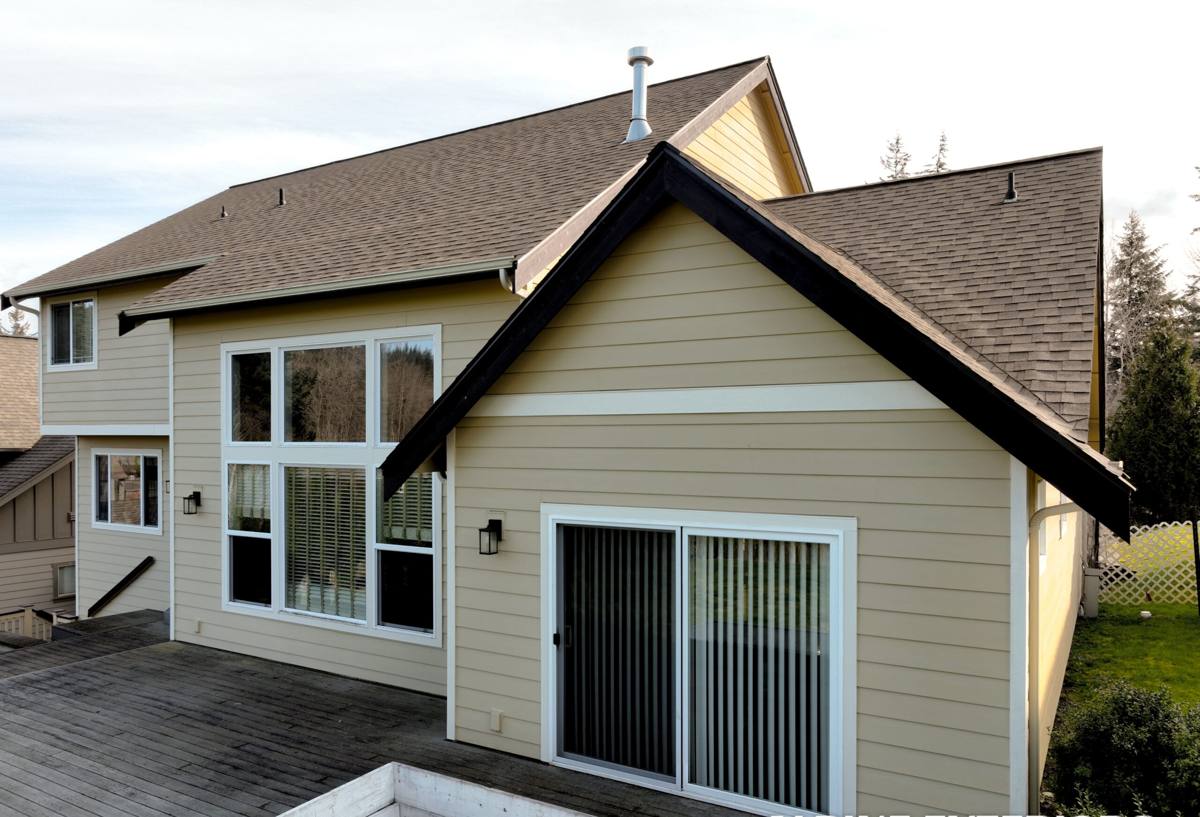
What This Climate Does to Windows
Pinellas County homes deal with a combination of stressors that few inland markets see all at once:
- Hurricane-force wind loads — even homes outside the immediate coastline need windows rated to withstand pressure changes and wind-borne debris during tropical storms and hurricanes.
- Wind-driven rain — Florida storms don't just fall straight down. Rain gets pushed sideways into frames and gaps that would stay dry in a calmer climate, which is why flashing and sealant detail matters more here than almost anywhere else in the country.
- Intense, year-round UV exposure — sun breaks down vinyl, degrades seals, and fades interior finishes near windows faster than in northern climates.
- Salt air — even a few miles from the water, airborne salt accelerates corrosion on hardware, screens, and metal components that aren't rated for coastal exposure.
None of this is unique to Belleair Bluffs specifically — it's true across the Tampa Bay coastal belt. But it's worth saying plainly because it changes what "a good window" actually means here. A window that performs perfectly in Ohio can fail in a Gulf Coast storm within a couple of seasons if it's the wrong product or installed loosely.
Signs Your Windows Are Already Behind
- Fogging or moisture between panes on double-pane units — the seal has failed
- Frames that feel soft, chalky, or show pitting or corrosion around hardware
- Drafts or a noticeable temperature difference near the window when the AC is running
- Difficulty opening, closing, or locking — frames have shifted or warped
- Visible daylight or gaps around the frame from outside
- Rising cooling bills without any other explanation
Impact-Rated Windows: Why It's Not Optional Here
Pinellas County's building code requires wind-borne debris protection in most areas, which in practice means either impact-rated windows or an approved protection system on non-impact glass. For a straightforward replacement project, impact-rated windows are almost always the more practical long-term choice — you get the protection built into the window itself, with no shutters to install before a storm.
Impact-rated windows use laminated glass with an interlayer that holds the pane together under impact, paired with a frame and anchoring system engineered to stay in the opening under pressure. The frame and installation method matter just as much as the glass rating — a correctly rated window installed with the wrong fasteners or insufficient anchoring doesn't meet code and doesn't protect the house the way it's supposed to.
Impact-Rated vs. Standard Windows
| Factor | Impact-Rated | Standard Window + Shutters |
|---|---|---|
| Storm prep | None needed — built in | Shutters must be installed before every storm |
| Daily use | Full clear view, no visible hardware | Clear view, but shutter tracks/hardware visible |
| Noise reduction | Noticeably better due to laminated glass | Standard glass performance |
| UV/fade protection | Laminate blocks significant UV | Depends on glass package |
| Upfront cost | Higher per window | Lower window cost, added shutter cost |
| Insurance impact | Often qualifies for windstorm mitigation credit | May qualify depending on shutter type/rating |
We'll walk through both paths honestly during your estimate — for some homes and budgets, a mix makes sense. What we won't do is sell you a window that isn't rated for what this coast throws at it.
What a Correct Installation Actually Involves
Most window failures in this climate aren't a bad window — they're a window installed without the right prep. The glass and frame get all the attention in a sales conversation, but the installation detail is what determines whether that window is still watertight in five years.
The Details That Matter Most
- Opening prep — removing the old unit down to the rough opening, checking the framing underneath for rot, moisture damage, or settling before anything new goes in
- Flashing and weatherproofing — properly lapped flashing tape and sealant so wind-driven rain can't work its way behind the frame
- Correct anchoring — fasteners and spacing that match the window's engineering specs and meet local wind load requirements, not just "close enough"
- Shimming and leveling — a window that isn't plumb and square will stress at the corners and fail its seals early
- Sealant application — the right sealant, applied at the right joints, rated for exterior exposure and UV
- Interior and exterior trim finish — a clean finish that also serves as a secondary water management layer
Skip any one of these steps and you can end up with a code-compliant window that still leaks, still fails early, or still lets in more heat and noise than it should. This is the part of the job that doesn't show up in a brochure but shows up in the next hurricane season.
Our Process for Belleair Bluffs Homes
1. On-Site Assessment
We look at your existing windows, the surrounding framing, and how your home is oriented to sun and prevailing weather. We'll point out anything we see — rot, settling, prior water intrusion — before it becomes a surprise mid-project.
2. Product Selection
We go over impact ratings, frame materials, and glass packages based on your home, budget, and priorities — energy performance, noise reduction, storm protection, or all three.
3. Permitting
Window replacement in Pinellas County typically requires a permit, and impact-rated products need to meet the applicable wind zone requirements for this area. We handle the permit process as part of the job.
4. Installation
Old units come out, openings get inspected and prepped, new windows go in plumb, level, and properly anchored and flashed, and everything is sealed and finished on both sides.
5. Final Walkthrough
We check operation on every window, confirm the finish work, and make sure you understand what maintenance (if any) the new windows need going forward.
What Drives Cost on a Window Project
| Factor | Why It Matters |
|---|---|
| Impact vs. standard glass | Impact-rated laminated glass costs more per unit than standard glass |
| Frame material | Vinyl, aluminum, and composite frames vary in cost and long-term maintenance |
| Window size and count | Larger openings and whole-house replacements shift per-unit economics |
| Condition of existing openings | Rot or framing repair adds labor beyond the window itself |
| Access and second-story work | Upper-floor windows take more time and equipment |
| Trim and finish scope | Full interior/exterior trim replacement vs. reusing existing trim |
Costs vary enough by home and product that we don't quote ranges without seeing the job — anyone who gives you a firm number over the phone is guessing. What we can tell you is that the cheapest window on the market is rarely the cheapest option over a 10- or 15-year span once you factor in energy loss, storm risk, and premature failure.
Why Local Experience in Belleair Bluffs Matters
A contractor who works this specific stretch of Pinellas County knows the permitting process with the local jurisdiction, understands the wind zone requirements that apply to homes here, and has seen firsthand how salt air and storm exposure affect different window products over time. That's different from a crew that installs windows in a dozen unrelated climates and treats Belleair Bluffs like any other stop.
We also know that homes in this area range from older construction with original framing to more recently updated properties, and each of those situations calls for a different level of prep work before a new window ever goes in. Getting that read right the first time saves you from surprises during installation.
Maintaining Your New Windows
- Rinse frames and glass periodically to clear salt residue, especially after storms
- Inspect exterior sealant annually for cracking or gaps and have it addressed before it becomes a leak
- Keep weep holes (small drainage openings in the frame) clear of debris and paint
- Operate locks and hardware occasionally even on windows you rarely open, to keep mechanisms from seizing
- Have your windows inspected after any major storm, even if you don't see obvious damage
If you're weighing whether it's time to replace the windows on your Belleair Bluffs home, we're happy to take a look and give you a straight answer — including telling you if repair or a partial replacement makes more sense than doing the whole house at once. Reach out for a free, no-pressure estimate using the form below.