 Seminole Siding
 Why Window Replacement Looks Different on St. Pete Beach
St. Pete Beach sits right on the Gulf, on a narrow barrier island that takes on weather most inland Pinellas County homes never see in the same intensity. Windows here aren't just holes in a wall that let light in — on a barrier island home, they're one of the largest and most vulnerable parts of the entire building envelope. A window that's slightly under-specified for wind load, poorly flashed, or installed with the wrong fasteners doesn't just leak air on a mild day. It's a potential failure point during the exact kind of event — a strong summer storm, a tropical system, wind-driven rain pushing sideways for hours — that this stretch of coast sees regularly.
We work throughout Pinellas County, and St. Pete Beach comes up often because it combines several stressors at once: constant salt air off the Gulf, some of the most intense sun exposure in the country, and direct exposure to hurricane-force wind with nothing between the house and open water to slow it down. A lot of the housing stock here is older, with original single-pane or early dual-pane windows that were never built for the wind and impact requirements homes in this zone are expected to meet today. This page walks through what actually goes wrong with windows out here, what a correct replacement job involves, and why hiring a crew that already works this island — rather than one learning it on your project — makes a real difference.
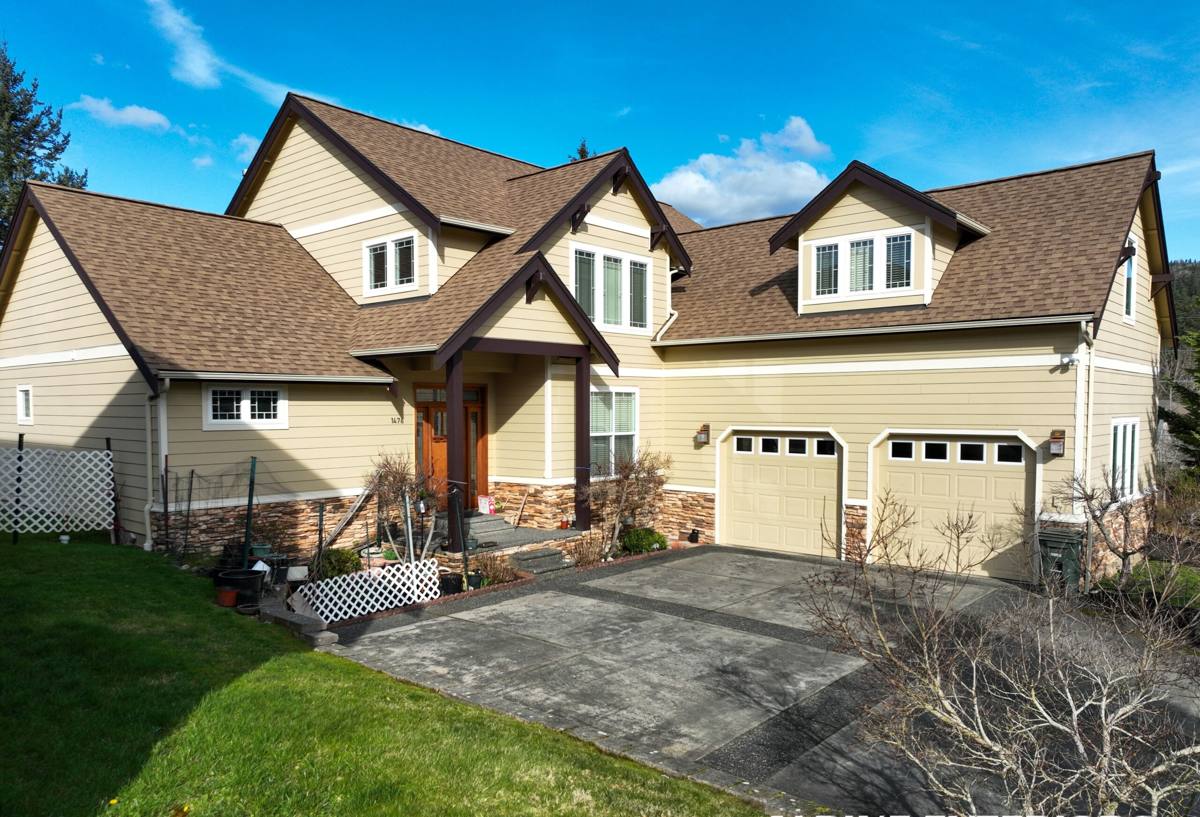
What Barrier-Island Conditions Do to Windows Over Time
Salt Air and Corrosion
Airborne salt off the Gulf settles on every exterior surface on St. Pete Beach, windows included, and it works on hardware and frame components continuously, not just during storms. Hinges, cranks, balance mechanisms, and screws that aren't rated for coastal exposure corrode faster here than almost anywhere inland, which is why windows that operate smoothly for years in a drier climate can start sticking, binding, or developing hardware failures much sooner on a Gulf-front or near-Gulf property.
UV Load
Florida's sun angle and day length mean window frames and seals absorb a heavy dose of cumulative UV exposure every year. On lower-grade vinyl and on aging weatherstripping and glazing seals, that UV load causes frames to yellow or become brittle and lets seals lose their flexibility years before they would in a milder climate. Once a seal hardens and cracks, the window's ability to keep water and air out drops fast.
Wind-Driven Rain and Water Intrusion
Rain falling straight down is easy for almost any window to shed. Rain being driven sideways by 40, 50, or 60-plus mph wind is a different problem entirely — it finds its way into gaps at the frame-to-wall interface, weep holes, and corner seals that stay dry in ordinary weather. On St. Pete Beach, where storms come with real wind behind the rain, marginal flashing or aging sealant around a window is one of the most common paths water takes into a wall cavity.
Wind Load and Impact Risk
Because St. Pete Beach sits in a coastal wind-borne debris zone, current Florida Building Code requirements call for windows here to either be impact-rated or protected by code-compliant shutters, and the wind-load rating a window needs to meet is higher than what's required a few miles inland. Older windows on many barrier-island homes predate these standards entirely, which means a straightforward like-for-like swap isn't always an option — the replacement needs to actually meet today's code for this location, not just fit the existing opening.
Signs Your Windows Need Replacing
Not every issue means a full replacement, but these are the signs that tend to point that direction on a coastal home:
- Windows that are difficult to open, close, or lock, especially if this has gotten worse over the past year or two
- Visible fogging or moisture between panes of double-glazed windows, which means the seal has failed
- Drafts or a noticeable temperature difference near the window even when it's fully closed
- Frame or sill that feels soft, or shows staining, warping, or paint that keeps failing no matter how often it's touched up
- Corroded or seized hardware — cranks, hinges, or locks that no longer move freely
- Noticeably higher energy bills without another clear explanation
- Visible daylight or water intrusion around the frame during wind-driven rain
- Single-pane glass or windows you know predate current impact and wind-load standards
Frame Material: What Actually Holds Up Out Here
Frame material matters more on a barrier island than it does a few miles inland, because salt air and UV exposure are harder on some materials than others. There isn't one universally "best" option — the right choice depends on the home, the budget, and how the window will be used — but the trade-offs are worth understanding before you choose.
| Factor | Vinyl | Aluminum | Fiberglass / Composite |
|---|---|---|---|
| Salt air / corrosion resistance | Good — doesn't corrode, hardware is the main concern | Can pit and corrode over years unless marine-grade and well-finished | Very good — dimensionally stable, resists corrosion well |
| UV / heat performance | Can expand, contract, or discolor over time in intense sun | Handles heat well, conducts more energy through the frame | Stable across temperature swings, low expansion |
| Impact / wind-load capability | Available in impact-rated lines, frame strength varies by product | Strong, common in higher-end impact-rated systems | Strong, increasingly used in premium impact-rated lines |
| Maintenance | Low — occasional cleaning | Moderate — finish needs to hold up to salt exposure | Low — durable factory finish |
| Relative cost | Lower to mid-range | Mid to upper range | Upper range |
What we recommend depends on the specific opening, the home's exposure to direct salt spray versus a more sheltered lot, and your budget. We'll walk through which material makes sense for your situation rather than defaulting to one option for every job.
What a Correct Window Replacement Involves
Meeting Code for This Location, Not Just the Opening's Old Size
Because St. Pete Beach falls within a wind-borne debris region, a proper replacement means confirming the new units are rated for the wind loads required at this address, whether that's achieved through impact-rated glass or a code-compliant shutter system. We check this before ordering, not after — reordering an under-rated window after installation is a delay and expense nobody wants.
Correct Flashing and Water Management
The window unit itself only does part of the job. How it's flashed and integrated with the wall's water-resistive barrier is what actually determines whether wind-driven rain stays out over the life of the window. That means proper sill pan flashing, correctly lapped side and head flashing, and sealant used as a backup to good flashing detail rather than as the primary defense.
Fastening and Frame Attachment
Windows need to be fastened per the manufacturer's tested installation instructions and the specific wind zone requirement for this address — this isn't a place to save time with fewer fasteners or the wrong fastener type. On a coastal property, we also pay attention to fastener material, since standard-grade hardware corrodes faster in salt air than coastal-rated stainless or coated fasteners.
Insulation and Air Sealing
Gaps between the window frame and rough opening need to be properly insulated and air-sealed, not just caulked at the exterior trim. Done correctly, this improves comfort and energy performance and removes a common path for both drafts and moisture.
New Construction vs. Insert (Retrofit) Replacement
There are two general approaches to replacing a window, and which one applies depends on the condition of the existing frame and opening.
- Insert (retrofit) replacement. The new window is installed into the existing frame, which stays in place. This is faster and less invasive, and it works well when the existing frame and surrounding wall are sound.
- New construction (full-frame) replacement. The existing frame is removed down to the rough opening, exposing the wall structure so flashing, sheathing, and framing can be inspected and repaired if needed. This takes more time and cost but is often the right call on older barrier-island homes where the existing frame shows water damage, or where bringing the opening up to current wind and impact standards means the existing frame simply won't work anymore.
We'll tell you honestly which approach your home needs after a real look at the existing openings, rather than defaulting to whichever is easier to sell.
How Our Process Works
Every project starts with a walk of the home to look at existing window condition, frame material, signs of past water intrusion, and what the current openings will support. From there we measure precisely, confirm the wind-load and impact requirements for the property, and go over material and style options based on what actually fits the home and budget.
What a Typical Project Includes
- On-site assessment of existing windows, frames, and any signs of past water intrusion
- Precise measurement and confirmation of code requirements for this specific address
- Removal of existing windows and inspection of the rough opening and surrounding wall
- Repair of any damaged sheathing or framing found during removal, before the new window goes in
- Installation of proper flashing and water-resistive barrier integration at every opening
- Window installed and fastened to manufacturer specification and local wind-load requirements
- Interior and exterior trim work, insulation, and air sealing
- Final walkthrough covering operation, care, and warranty details
Why It Matters That We Already Work St. Pete Beach
A contractor who mostly installs windows inland can still do competent work here, but a barrier-island project has variables that come up far more often on this stretch of coast than elsewhere in Pinellas County — wind-load requirements tied to direct Gulf exposure, corrosion patterns specific to salt-heavy air, and permitting that can involve coastal construction review or elevation considerations depending on the property. Working this island regularly means we're not guessing at those requirements or figuring them out mid-project. We know what fastener grade and flashing detail actually hold up out here, and how local permitting works for window replacement on this kind of property, because we've handled it on homes like yours before.
That familiarity also means a more accurate estimate the first time — fewer surprises once work is underway, because the initial assessment already accounts for how this environment behaves rather than applying a generic inland checklist to a Gulf-front home.
Ready to Talk About Your Windows?
Whether you're dealing with windows that are visibly failing, planning ahead of the next storm season, or just want a straight read on where your current windows stand, we're glad to take a look and explain what we find plainly — including if the honest answer is that repair or targeted replacement makes more sense than doing the whole house at once. Reach out below for a free, no-pressure estimate.