 Seminole Siding
 Windows on a Barrier Island Take More Punishment Than Windows Anywhere Else
Belleair Beach sits on a narrow barrier island in Pinellas County, exposed to the Gulf on one side and the Intracoastal on the other. That location is what makes the neighborhood beautiful, and it's also what makes ordinary windows fail there years before they would in an inland home just a few miles away. Salt-laden air, constant humidity, direct sun, and the wind load that comes with living this close to open water all work on a window at the same time, every day, not just during storms.
When we talk about "energy-efficient windows" for a Belleair Beach home, we're not just talking about lower utility bills, though that matters. We're talking about a window package that's built to survive this specific environment while it does its job of keeping conditioned air in and heat, moisture, and wind out. A window that's efficient on paper but not built for coastal exposure won't stay efficient for long out here.
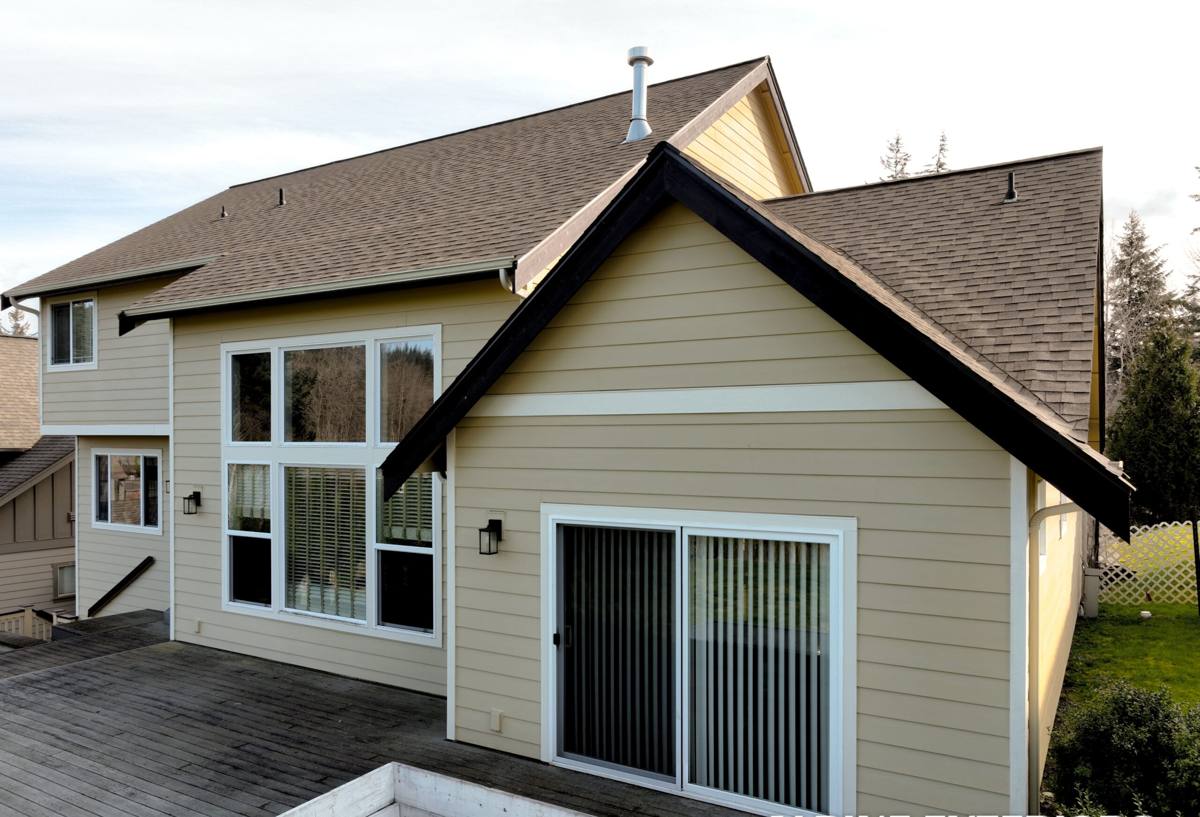
What the Gulf Coast Climate Actually Does to a Window
Salt Air and Corrosion
Airborne salt settles on everything near the coast, including window hardware, screen frames, and metal components. On lower-quality frames and fasteners, that salt accelerates corrosion, pitting, and hardware failure. Locks stick, rollers seize, and finishes chalk out well ahead of a normal service life. This is one of the biggest reasons frame material and hardware grade matter more here than they would fifteen or twenty miles inland.
UV Exposure
Florida sun is intense year-round, and a west- or south-facing window on the island gets hammered by it. UV breaks down vinyl, degrades seals, and fades interior finishes and furnishings faster than most homeowners expect. Low-E coatings and UV-blocking glazing are not an upsell here — they're a practical necessity if you want the glass and the interior of your home to hold up.
Wind-Driven Rain and Humidity
Wind-driven rain finds any weakness in flashing, sealant, or frame fit and pushes water where it doesn't belong. Combined with Pinellas County's year-round humidity, a poorly sealed window doesn't just leak during a storm — it can drive slow moisture intrusion into the wall cavity that causes hidden damage long before a homeowner notices a stain.
Hurricane-Force Wind
Belleair Beach is in a wind-borne debris region, which means window and door products installed here need to meet Florida Building Code wind load and impact requirements for this area. A window has to hold up structurally to sustained wind pressure and, depending on the product path chosen, resist impact from flying debris.
What "Energy-Efficient" Means for a Home Like This
Efficiency in a coastal Pinellas County home comes down to a few measurable factors, not marketing language:
- U-factor — how well the window resists heat transfer; lower is better for keeping conditioned air where it belongs.
- Solar Heat Gain Coefficient (SHGC) — how much solar heat passes through the glass; in this climate, a lower SHGC keeps interiors cooler and reduces AC load.
- Air infiltration rating — how much air leaks around the sash and frame under pressure; tighter is better for both comfort and hurricane performance.
- Frame insulation value — the frame material itself conducts heat and cold, so its construction matters as much as the glass.
The good news for coastal homeowners is that the same glazing package that improves impact resistance — laminated glass with an interlayer, for example — also tends to improve sound dampening and thermal performance. A properly specified impact window is usually also a more efficient window, not a trade-off between the two.
Choosing a Frame Material for a Barrier Island Home
Frame material has a bigger impact on long-term performance near the water than most homeowners realize. Here's how the common options compare for a home like those in Belleair Beach:
| Frame Material | Coastal Durability | Maintenance | Relative Cost |
|---|---|---|---|
| Vinyl | Good — won't corrode, but quality varies widely by manufacturer | Low | Lower |
| Aluminum | Fair to good — strong, but standard finishes can pit and chalk in salt air over time unless properly coated | Moderate | Moderate |
| Fiberglass | Excellent — very stable, resists corrosion and UV degradation well | Low | Higher |
| Wood/Wood-Clad | Poor to fair in direct salt exposure without diligent upkeep | High | Higher |
We don't push one material on every job. The right choice depends on the home's exposure, the homeowner's maintenance appetite, and budget. What we won't do is recommend a frame that looks fine on day one but is a poor match for a barrier island install — that's a decision that costs the homeowner more down the road in maintenance and premature replacement.
Meeting Florida's Wind and Impact Requirements
Any window replacement in this part of Pinellas County has to satisfy the Florida Building Code's wind-borne debris requirements, which govern both structural wind load and, in most cases, impact protection. There are two accepted paths:
- Impact-rated windows — laminated glass built to resist debris impact directly, with no separate shutter system needed.
- Standard windows with code-approved shutters or protection — a lower upfront cost path that requires the homeowner to deploy protection before every storm.
Every window product installed has to carry a valid Florida product approval or Miami-Dade Notice of Acceptance rating for the wind zone the home sits in, and the installation has to be permitted and inspected by the local building department. This isn't optional paperwork — it's what protects the homeowner if there's ever an insurance claim or a future home sale, when unpermitted work becomes a real problem to untangle.
What a Correct Installation Actually Involves
The window product only performs as well as the installation around it. A rushed or incorrect install undermines even a top-tier window. A correct job includes:
- Removing the old window and inspecting the rough opening framing and sheathing for hidden water damage or rot before anything new goes in.
- Correcting any substrate issues found — installing over damaged framing just traps the problem behind a new window.
- Installing flashing in the correct order (sill pan, jamb, head) so any water that does get past the window sheds outward, not into the wall.
- Setting the window level, plumb, and square, with shimming at the manufacturer's specified points to avoid stress on the frame.
- Fastening to the manufacturer's and code-required schedule — this is what gives the window its rated wind resistance, and it's frequently shortcut on lower-quality installs.
- Sealing with the correct sealant and backer rod, not just a bead of caulk around the trim.
- Verifying weep holes and drainage paths are clear and functional before closing up the exterior finish.
Every one of those steps is invisible once the job is finished and trimmed out. The only way a homeowner knows it was done right is by hiring a crew with a track record of doing it right, every time, on homes with this exact exposure.
Our Process for a Belleair Beach Window Replacement
We keep the process straightforward because window replacement is disruptive enough without added confusion:
1. On-Site Assessment
We look at existing window condition, framing, exposure direction, and any signs of past water intrusion before recommending a product path.
2. Product Selection
We walk through frame material, glazing package, and impact-versus-shutter options based on the home's specific exposure and the homeowner's priorities — efficiency, budget, maintenance, or all three.
3. Measurement and Ordering
Each opening is measured individually. Barrier island homes, especially older ones, often have openings that are slightly out of square, and accurate measurement avoids costly reorders or a sloppy fit.
4. Permitting
We handle the permit application with the local building department and make sure the product documentation matches what's required for the home's wind zone.
5. Installation
Removal, flashing, setting, fastening, and sealing following the steps above, with attention to protecting the interior and landscaping during the work.
6. Inspection and Walkthrough
We coordinate the required inspection and walk the homeowner through the finished work, including basic care and hardware maintenance guidance for a coastal environment.
What Drives the Cost of a Window Project Here
There's no single price that applies to every home, but the main variables are consistent from job to job:
| Factor | Why It Affects Cost |
|---|---|
| Number and size of openings | More or larger windows mean more material and labor |
| Impact-rated vs. standard glazing | Laminated impact glass costs more than standard insulated glass |
| Frame material | Vinyl, aluminum, and fiberglass carry different material costs |
| Framing repairs | Rot or water damage found during removal adds labor and material |
| Access and complexity | Second-story openings or tight coastal lot access can add time |
| Permitting requirements | Varies by scope and jurisdiction, but is a fixed part of any compliant job |
We provide a written estimate that breaks these factors down so a homeowner knows exactly what they're paying for and why, rather than a single lump number.
Signs Your Current Windows Are Already Costing You
- Visible corrosion, pitting, or chalky residue on frames and hardware
- Locks or rollers that stick, bind, or no longer latch fully
- Fading carpet, flooring, or furniture near south- or west-facing windows
- A noticeable draft or temperature difference near the window when the AC is running
- Condensation forming between panes, which signals a failed seal
- Soft or discolored trim or drywall around the window frame
- Rattling or flexing during windy conditions
- Rising cooling bills without a clear cause elsewhere in the home
Any one of these on its own isn't necessarily urgent, but a home showing several of them at once is usually a sign the windows are past the point where efficiency alone justifies keeping them.
Why It Matters That We Already Work in Belleair Beach
A crew that hasn't worked this island before is learning on your house. We already know what exposure direction typically causes the most wear on a Belleair Beach home, what the local permitting process requires, and how to plan logistics on a barrier island where access and staging are tighter than on a typical mainland lot. That familiarity shows up in fewer surprises, a smoother permit process, and a product recommendation that's based on what actually holds up here, not on a generic checklist. Pinellas County's coastal homes are not interchangeable with inland construction, and the installer should understand that difference before the first window ever comes out.
Ready to Talk Through Your Options?
If your windows are original to the home, showing coastal wear, or just costing you more in energy and comfort than they should, we're happy to take a look and walk you through honest options for your specific home and budget. Use the form below to request a free, no-pressure estimate — there's no obligation, just a straight answer about what your home needs.