 Seminole Siding
 Largo Sits Right in the Path of Everything the Gulf Coast Throws at a House
Largo is inland enough from the immediate coastline to feel a little sheltered, but it's still squarely inside Pinellas County's marine air zone, and it still takes a direct hit from every tropical system that crosses the peninsula. Homes here deal with the same core stresses as anywhere else in this part of Florida: sustained hurricane-force wind loads, wind-driven rain that gets pushed sideways under normal flashing details, salt-laden air that corrodes fasteners and trim over time, and some of the most intense year-round UV exposure in the continental United States. Siding that was engineered for a mild climate somewhere else doesn't hold up the same way here — it just fails on a longer timeline, which makes the problem harder to see coming.
A siding product and installation method that's correct for Largo has to be evaluated against all four of those stresses at once, not just wind rating or just water resistance. That's the lens we use on every Largo project, and it's the reason we standardized on one product system instead of offering several.
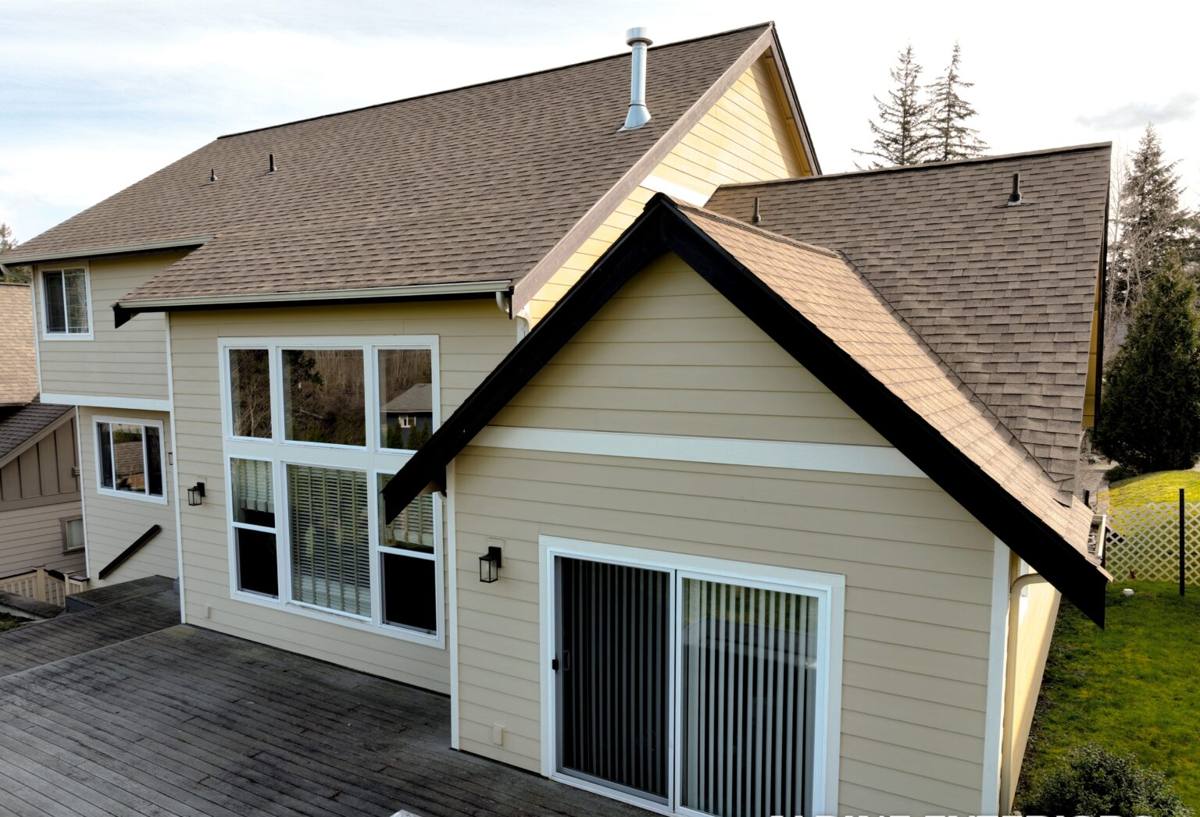
What Siding Actually Has to Survive Here
Wind and Wind-Driven Rain
Wind uplift on siding isn't just about the material's tensile strength — it's about how well the fastening pattern and panel overlap keep wind from getting behind the cladding in the first place. Once wind-driven rain gets past the face of the siding, it's the water-resistive barrier and flashing details underneath doing the real work. Siding that's undersized for local wind exposure, or installed with a fastening schedule built for a calmer climate, is where blow-off and water intrusion start.
Intense, Constant UV
Central Florida sun is hard on any exterior finish. Paint film breaks down faster here than it does in most of the country, which shows up as fading, chalking, and eventually cracking that opens the door to moisture. A siding finish that isn't formulated to hold color and film integrity under this UV load will need repainting years sooner than the same product in a milder climate.
Salt Air and Corrosion
Even set back from the immediate coastline, Largo homes get enough salt aerosol to accelerate corrosion on exposed metal — fasteners, trim flashing, hardware. Materials and fastener specs that aren't rated for coastal exposure corrode faster, and a corroded fastener holding siding to a wall is a failure point waiting to happen.
Humidity and Moisture Cycling
Florida's humidity means wall assemblies rarely get to fully dry out. Any siding product that absorbs and holds moisture, or that relies on a paint film alone to stay watertight, is working against the climate instead of with it.
Why We Install Only James Hardie Fiber Cement Siding
We made a decision to install one siding system — James Hardie fiber cement — rather than offer vinyl, LP SmartSide, or other fiber cement brands. That's not a marketing position, it's a standard we set because of how those other products perform under the specific stress load described above. Fiber cement itself is inert to rot and insects and doesn't burn, which matters in a state where both moisture exposure and wildfire-adjacent brush conditions exist. Hardie's HZ5 product line is specifically engineered for high-humidity, high-moisture climates like ours, and their ColorPlus factory-applied finish is baked on under controlled conditions with a UV-resistant formulation — a meaningfully different process than field-applied paint, which is exactly the finish that struggles most under Florida sun.
We also stand behind Hardie's transferable warranty structure, which matters to homeowners who plan to sell within the product's service life. Between the non-combustible core, the HZ5 engineering, the factory finish, and the warranty backing, it's the product we're willing to put our name behind on every job — including the ones in Largo where wind, sun, and salt all show up on the same house.
What a Correct Fiber Cement Installation Involves
Substrate and Moisture Barrier Prep
Before any siding goes up, the wall needs a continuous water-resistive barrier with properly lapped and taped seams, and any existing sheathing damage needs to be addressed — not covered over. Skipping this step is the single most common cause of hidden moisture problems behind new siding.
Clearances and Flashing
Fiber cement siding needs correct clearance from grade, roof lines, decks, and other horizontal surfaces so water has somewhere to go instead of wicking into the bottom edge of the panel. Every window, door, and penetration needs flashing installed in the correct shingle-lap sequence so water is directed out, not trapped behind the cladding.
Fastening Pattern
Fastener type, spacing, and embedment depth all need to match Hardie's published specifications for our wind exposure category — this is not an area where a generic fastening approach is good enough on a coastal Florida home. Corrosion-resistant fasteners are non-negotiable given the salt air.
Joints, Caulking, and Paint Lines
Butt joints need to be treated correctly — sealed or flashed per manufacturer detail, not just butted and caulked — and any field-cut edges need to be sealed and touched up with compatible product before they're exposed to weather. This is where a lot of shortcuts get taken on rush jobs, and where problems show up first.
Fiber Cement vs. Other Siding Options for a Largo Home
| Factor | James Hardie Fiber Cement | Vinyl Siding | Wood / Primed Spruce |
|---|---|---|---|
| Wind performance | Engineered and rated for high-wind exposure when installed to spec | Lighter panels, more prone to flexing and blow-off in sustained high wind | Depends heavily on fastening; prone to warping over time |
| UV / finish durability | Factory ColorPlus finish resists fading and chalking | Color molded into the material but can chalk and fade in intense sun | Field-applied paint breaks down fastest under Florida UV |
| Moisture behavior | Engineered for humid climates (HZ5); doesn't rot | Doesn't absorb water but traps moisture behind panels if not vented right | Absorbs moisture, prone to rot and insect damage |
| Salt air / corrosion | Inert material; needs coastal-rated fasteners | Panel is corrosion-proof but trim hardware still at risk | Hardware and fasteners corrode; wood itself is not affected by salt |
| Fire performance | Non-combustible core | Combustible | Combustible |
| Typical service life when installed correctly | Decades, backed by transferable warranty | Shorter, especially in high-UV coastal exposure | Shortest without frequent repainting and maintenance |
Our Process for a Largo Project
We start with an on-site assessment of the existing siding and substrate condition, wind exposure of the specific lot, and any problem areas — old water stains, soft spots, previous patch jobs. From there we handle the permitting required through Pinellas County and the City of Largo before any work begins; skipping proper permits on exterior work is a shortcut that creates real problems at resale. Installation follows manufacturer specification for our wind zone, with moisture barrier, flashing, and fastening done in the sequence described above — not compressed to save a day. We do a final walk-through with the homeowner before calling the job complete, and we stand behind the workmanship in addition to the manufacturer's product warranty.
Maintaining Fiber Cement Siding in This Climate
Fiber cement is low-maintenance compared to wood, but "low-maintenance" doesn't mean "no maintenance" in a coastal Florida climate. A short annual routine catches small issues before they become expensive ones.
- Rinse siding annually to remove salt residue, pollen, and mildew buildup, especially on north-facing walls that stay shaded and damp longer
- Inspect caulking at joints, window and door trim, and penetrations each year and re-caulk any cracked or shrunken beads before the next rainy season
- Check for any hairline cracks after major storms, particularly around corners and fastener points
- Keep irrigation heads and sprinklers from spraying directly on siding, which accelerates staining and keeps panels wet longer than they should be
- Trim back landscaping so siding gets airflow and isn't held wet by shrubs against the wall
Why Hiring a Crew That Already Works in Largo Matters
Wind exposure requirements, flashing details, and permitting expectations aren't identical from one Florida county to the next, and they're not identical from one lot to the next inside the same city depending on proximity to open water and roof geometry. A crew that regularly works in Largo and the surrounding Seminole area already knows the local permitting process, already understands how this specific stretch of Pinellas County wind and salt exposure behaves on real houses, and isn't learning those lessons on your home for the first time. That local track record is part of what a correct installation actually depends on — the product only performs as engineered if the installation matches the conditions it's going on.
If you're weighing a siding replacement or repair in Largo, we're glad to come take a look and give you a straightforward, no-pressure assessment of what your home actually needs — use the form below to request a free estimate.