 Seminole Siding
 Siding Repair Built for a Barrier Island Climate
Belleair Beach sits right on the Gulf, which means the siding on these homes works harder than siding almost anywhere else in Pinellas County. Salt-laden air moves off the water and settles on exterior surfaces every day, not just during storms. Add in intense year-round Florida UV and the wind-driven rain that comes with every serious thunderstorm or tropical system, and it's no surprise that siding here shows wear faster than it would a few miles inland. Repair work in this area isn't about cosmetics — it's about catching small failures before they become structural ones.
When we get a call for siding repair in Belleair Beach, we're usually looking at one of three things: storm impact damage, long-term UV and moisture breakdown, or a failure point that was never installed correctly to begin with. Each of those needs a different approach, and getting that diagnosis right is most of the job.
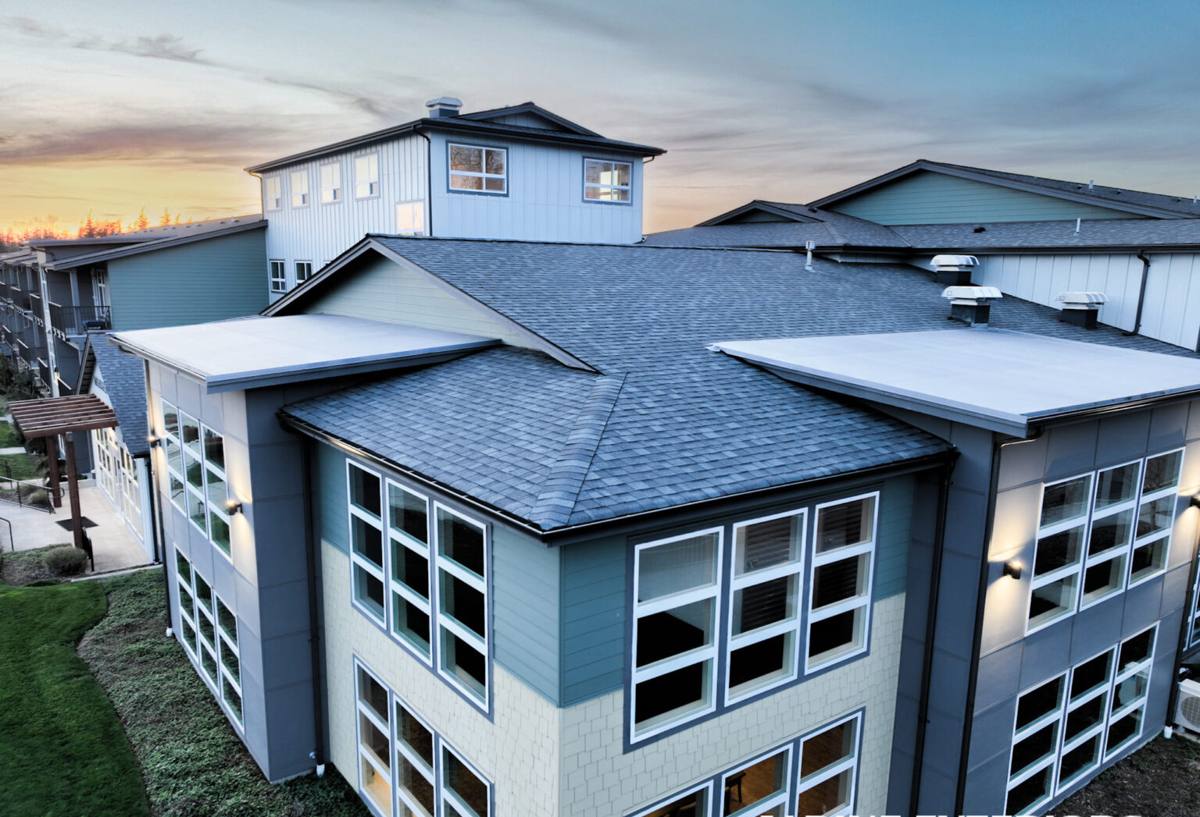
What Belleair Beach's Climate Does to Siding
Hurricane-Force Winds
Even storms that don't make direct landfall nearby can push sustained winds strong enough to lift panel edges, snap fasteners, or drive debris into a wall. Barrier island homes take the brunt of this before it reaches the mainland, so wind damage shows up here first.
Wind-Driven Rain
Straight-down rain rarely causes problems. Rain forced sideways under pressure is a different story — it finds gaps at seams, corners, and trim that would otherwise stay dry, and it's the leading cause of hidden moisture damage behind siding.
Salt Air
Persistent salt exposure accelerates corrosion on fasteners, flashing, and any exposed metal components. It also degrades paint and caulk faster than in non-coastal areas, which is why a repair job that ignores the fasteners and sealant isn't a complete repair.
Year-Round UV
Florida sun is relentless, and Belleair Beach gets it with almost nothing to block it. UV breaks down factory finishes, dries out caulking, and causes some siding materials to fade, chalk, or warp well before their expected lifespan.
Signs Your Siding Needs Repair
Most siding problems start small and stay hidden until they're expensive. Homeowners who catch these signs early save money and avoid interior damage.
- Cracked, split, or visibly warped boards or panels
- Soft spots when you press on the siding near the base of the wall
- Bubbling, peeling, or discolored paint in one concentrated area
- Gaps opening up at seams, corners, or around window and door trim
- Rust streaks running down from fasteners or metal flashing
- Increased pest activity — ants or wood-boring insects near the wall line
- Musty smell or visible staining on interior walls that back up to exterior siding
- Panels that rattle, flex, or feel loose to the touch
Any one of these on its own might be a minor fix. Several appearing together, especially after a storm, usually means moisture has already gotten behind the siding and the repair needs to include what's underneath, not just what's visible.
What a Correct Repair Actually Involves
A siding repair that only addresses what's visible from the street is a temporary fix. A correct repair follows a specific sequence, and skipping steps is exactly how the same problem comes back in a year or two.
1. Diagnose Before You Patch
Before any board comes off, we need to know why it failed. Was it a one-time impact, a chronic moisture entry point, a fastener issue, or a flashing detail that was never right? Patching over an unresolved cause just delays the next repair call.
2. Check What's Behind the Siding
Siding is the visible layer of a larger moisture-management system that includes house wrap, flashing, and properly lapped seams. If water has been getting in, we check the sheathing and framing underneath before closing anything back up. Repairing the surface over compromised structure is not a real repair.
3. Match the Material and Profile
Replacement sections need to match the existing siding's profile, exposure, and finish as closely as possible. This is easier with some materials than others, and it's one of the reasons material choice matters even for a repair-only job.
4. Rebuild the Water Management Details
Flashing, house wrap laps, and caulk joints all need to be restored to shed water correctly — not just sealed with extra caulk. Caulk is a backup, not a water barrier on its own.
5. Refasten and Finish Correctly
In a coastal environment, fastener choice and placement matter more than inland. Corrosion-resistant fasteners, set correctly per the manufacturer's pattern, are non-negotiable here.
Repair or Replace? How to Tell
Not every damaged section needs a full re-side, but a repair that's fighting a losing battle against widespread deterioration isn't a good use of money either. This is the honest breakdown we walk homeowners through.
| Situation | Repair Usually Makes Sense | Replacement Is Usually Smarter |
|---|---|---|
| Damage extent | Isolated to one or two sections | Spread across multiple walls or elevations |
| Underlying moisture | None found behind the siding | Rot or sheathing damage discovered during inspection |
| Siding age | Well within its expected service life | Near or past manufacturer lifespan, especially with visible wear elsewhere |
| Material match | Matching material and finish still available | Discontinued color or profile, causing visible patchwork |
| Cause of failure | One-time storm or impact event | Recurring failure from an installation or material issue |
If we inspect your home and a repair is the right call, we'll tell you that directly — we don't push replacement on homes that don't need it. But if the underlying siding is failing systemically, patching it piece by piece usually costs more over a few years than doing the job once, correctly.
Why We Repair — and Rebuild — With James Hardie
We install James Hardie fiber cement exclusively, and that standard carries into our repair work. When a section of siding needs to be replaced rather than patched, we use Hardie's climate-engineered HZ5 product line, which is formulated specifically for hot, humid, storm-exposed regions like the Gulf Coast. It's non-combustible, resists moisture-driven swelling and rot far better than wood-based products, and holds its factory ColorPlus finish through the kind of relentless UV and salt exposure Belleair Beach sees every year.
This matters for repairs specifically because fiber cement patches into existing Hardie siding cleanly — the profiles, exposures, and finishes are consistent and still in production, so a repaired section doesn't stand out from the rest of the wall. That's not something every siding material can offer once it's a few years old and the manufacturer has moved on to new colors or discontinued a profile.
We're not going to tell you a vinyl or wood-repair job is a bad decision if that's what's already on your home — but when a section needs to come off and be rebuilt, we'll always recommend fiber cement for the replacement piece, because it's what holds up best against this specific coastline.
Our Repair Process
- Inspection: We assess the damaged area and check for moisture or structural issues behind it, not just what's visible.
- Honest recommendation: We tell you plainly whether repair or replacement is the right call, and why.
- Written scope: You get a clear description of what's being repaired, what materials are used, and what the water-management rebuild involves.
- The repair itself: Damaged material is removed, the substrate is checked and corrected if needed, and new material is installed with proper flashing, fastening, and sealant.
- Final check: We walk the repaired area with you before considering the job finished.
Why Local Experience on Belleair Beach Matters
Barrier island homes face conditions that inland Pinellas County properties simply don't deal with to the same degree — closer salt exposure, more direct wind load during storms, and constant sun with almost no tree canopy to soften it. A crew that regularly works this specific stretch of coastline knows what failure patterns to expect and where to look for hidden damage before it's obvious. That's the difference between a repair that lasts and one that's back on the schedule next season.
We also know the practical side of working on a barrier island — tighter lot access, proximity to the water during the job, and the kind of weather windows that make scheduling storm-related repairs a little more complicated than an inland job. Local, consistent experience in Belleair Beach specifically means fewer surprises during the work itself.
Get a Straight Answer About Your Siding
If your siding in Belleair Beach is showing storm damage, cracking, soft spots, or wear from years of sun and salt, we'll come take a look and give you an honest read on what it actually needs — repair or replacement, no upsell either direction. The estimate is free and there's no pressure to move forward; you can request one using the form below.