 Seminole Siding
 Windows on a Barrier Island Live a Harder Life
Belleair Beach sits right on the Gulf, and that location changes what a window has to survive. Inland, a window mostly deals with heat and the occasional storm. Here, it's dealing with salt-laden air every single day, sustained onshore wind loads, driving rain that gets pushed sideways during a squall, and UV exposure that's more intense and more constant than almost anywhere else in the country. None of that is dramatic on its own, but stacked together year after year, it wears down frames, seals, and hardware faster than most homeowners expect.
We work throughout Seminole and the surrounding Pinellas County coastline, and Belleair Beach is one of the areas where we see the clearest gap between "a window that looks fine" and "a window that's actually doing its job." A frame can look presentable for years while the seal behind it has already failed, letting moisture and wind pressure work on the structure around it. Good window installation on a barrier island isn't just about picking a nice-looking unit — it's about getting the product, the flashing, and the fastening right for exactly this environment.
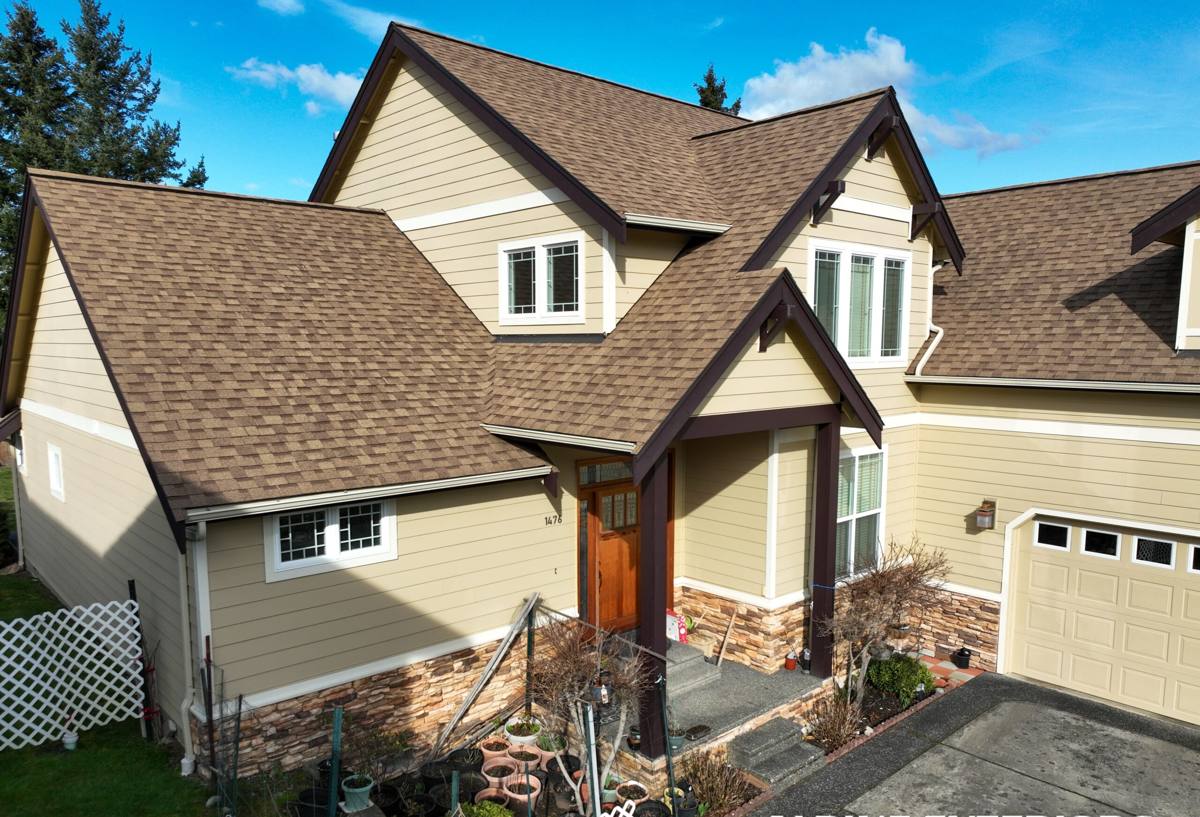
What Coastal Exposure Actually Does to a Window
Salt Air and Corrosion
Airborne salt settles on everything, including window hardware, frame fasteners, and screen tracks. Over time it accelerates corrosion on lower-grade metal components and can pit or cloud certain finishes. This is why frame material and hardware quality matter more here than in an inland install — a component rated for general use isn't necessarily rated for direct salt exposure.
Wind Pressure and Wind-Borne Debris
Even outside of a named storm, a beachfront or near-beachfront home takes real, sustained wind load on its windows on a regular basis. During a hurricane or tropical storm, that load spikes dramatically, and wind-borne debris becomes a real threat to ordinary glass. Florida's building code accounts for this with wind-borne debris protection requirements in coastal wind zones — which is why impact-rated glazing or code-compliant protection isn't optional here, it's baseline.
Wind-Driven Rain
Rain that comes in sideways during a coastal storm doesn't behave like rain falling straight down. It gets forced into any gap in flashing, sealant, or frame fit under real pressure. A window that would stay dry in a calm rain a few miles inland can leak here if the installation details aren't right — this is almost always an installation issue, not a product issue.
UV Degradation
Florida's sun breaks down vinyl, weatherstripping, and sealants faster than most manufacturers' national warranty assumptions account for. Frames can discolor or become brittle, and rubber gaskets lose flexibility, which is often the first quiet step toward a seal failure.
Building Code and Product Ratings You Should Understand
Pinellas County enforces the Florida Building Code, and coastal properties like those in Belleair Beach fall within the wind-borne debris region, meaning new and replacement windows generally need to be impact-rated or paired with code-approved protection. A few terms worth knowing before you talk to any contractor:
- Design Pressure (DP) rating — indicates how much wind load a window is rated to withstand; higher-exposure coastal homes need a DP rating matched to their specific site conditions, not just a generic "hurricane window" label.
- Impact-rated glazing — laminated glass built to resist penetration from wind-borne debris, tested under standards like ASTM E1996 and E1886.
- Product approval — many impact-rated products carry Florida or Miami-Dade product approval documentation, which is a useful reference point even outside the counties that require it.
- Permit and inspection — window replacement in Pinellas County generally requires a permit and inspection; this isn't paperwork for its own sake, it's the check that confirms the installation was actually done to code.
A contractor who can walk you through these ratings specifically for your home's exposure, rather than just pointing at a brochure, is a good early signal of who actually understands coastal work.
Choosing a Frame Material for a Belleair Beach Home
There's no single "best" frame material for every coastal home — it depends on your budget, your home's exposure, and how much upkeep you want to take on. Here's how the common options actually hold up in this environment:
| Frame Material | Salt Air / Corrosion Behavior | Maintenance Needs | Where It Fits Best |
|---|---|---|---|
| Vinyl | Doesn't corrode; UV can cause discoloration or brittleness over time in high-sun exposure | Low — occasional cleaning, no painting | Cost-conscious replacements, most residential applications |
| Aluminum | Naturally corrosion-resistant when properly finished; lower-grade coatings can pit near the water | Moderate — finish should be inspected periodically | Larger openings, impact framing systems, modern aesthetics |
| Fiberglass | Excellent — very stable in salt air and UV, minimal expansion/contraction | Low | Homeowners wanting long-term durability and are willing to pay more upfront |
| Wood / wood-clad | Poor without diligent upkeep — moisture and salt accelerate rot and finish failure | High — regular refinishing and sealing required | Interior-facing or well-protected openings where the look matters most |
We're candid with homeowners about wood and wood-clad frames on direct coastal exposure: the look is nice, but the maintenance burden and moisture risk are real, and we won't oversell a product that's going to become a headache in this climate. If you want that aesthetic, there are vinyl and fiberglass products that get close without the upkeep.
What a Correct Installation Actually Involves
The window unit itself is maybe half the equation. The other half is installation detail, and it's where most coastal failures actually originate — not in the product, but in gaps around it.
Rough Opening Prep
Every opening gets inspected before the new window goes in. On older Belleair Beach homes, this sometimes reveals prior water intrusion, deteriorated framing, or old flashing that needs to be corrected before a new window is set — not covered up behind it.
Flashing and Weatherproofing
Proper flashing directs any water that gets past the window back out and away from the wall assembly, not into it. This is layered correctly, sill pan first, then side and head flashing shingled to shed water downward and outward — never nailed in a way that creates a dam.
Fastening to Rated Specifications
Impact and high-DP windows are only as strong as their attachment. Fastener type, spacing, and embedment depth all need to match the manufacturer's tested installation instructions and the wind load the opening is engineered for — this is one of the most common places we find shortcuts taken by less experienced crews.
Sealant Selection and Application
Not all sealants hold up to UV and salt exposure equally. We use products suited for coastal, high-UV applications, and apply them at the joints and interfaces that actually need a continuous seal — not just a bead around the visible trim.
Our Installation Process
- On-site assessment — we look at your home's specific exposure, existing window condition, and any signs of past moisture issues before recommending anything.
- Product and rating selection — we match frame material, glazing, and DP rating to your home's actual coastal exposure, not a one-size-fits-all package.
- Permitting — we handle the Pinellas County permit process so the work is documented and inspected properly.
- Removal and opening inspection — old units come out carefully, and we check the framing and sheathing underneath before anything new goes in.
- Flashing, setting, and fastening — installed to the manufacturer's tested specifications and the wind load requirements for your address.
- Sealing and finish work — interior and exterior sealant, trim, and cleanup.
- Final walkthrough and inspection — we review the work with you and coordinate the required county inspection.
Mistakes We See on Older Coastal Installations
When we're called out to look at a leaking or failing window on a barrier island home, a handful of issues come up again and again:
- Sealant used as a substitute for proper flashing, instead of in addition to it
- Fasteners spaced wider than the product's rated installation instructions to save time
- Standard hardware used in place of corrosion-resistant hardware rated for direct salt exposure
- Windows installed without a permit or inspection, so there's no record the wind rating was actually verified for the opening
- Reusing old, deteriorated flashing instead of replacing it during a window swap
None of these are visible from the curb. They show up years later as a leak, a soft spot in the wall, or a window that fails to perform when a real storm actually tests it.
Maintaining Your Windows After Installation
Even a correctly installed coastal window benefits from basic upkeep. Rinse frames and hardware periodically to reduce salt buildup, especially after a storm with heavy sea spray. Check weep holes (the small drainage openings along the sill) to make sure they aren't clogged with debris or paint. Inspect exterior sealant lines annually for cracking or separation, since sealant is a wear item even when everything else is sound. And if you notice fogging between panes of an insulated glass unit, that indicates a seal failure in the glass itself and is worth addressing before it worsens.
Why Local Experience in Belleair Beach Matters
A crew that mostly works inland can still install a window correctly on paper — but they may not have the day-to-day feel for how aggressively this specific stretch of coastline treats a building. We work regularly throughout Seminole and the surrounding Pinellas County coastal communities, which means we're familiar with the county's permitting process, the wind exposure differences between a home directly on the Gulf and one a few blocks back, and the failure patterns that show up specifically in barrier island construction. That familiarity shows up in the details — the flashing sequence, the fastener spec, the sealant choice — that don't show up in a sales brochure but absolutely show up in how the window performs five or ten years down the line.
If you're considering new or replacement windows for your Belleair Beach home, we're happy to take a look, walk you through what your specific exposure calls for, and give you a straightforward, no-pressure estimate. There's a form below — reach out and we'll go from there.