 Seminole Siding
 Board & Batten Siding for Belleair Bluffs Homes
Belleair Bluffs sits on one of the higher points along the Pinellas County coastline, tucked between Largo, Belleair, and Seminole near the Intracoastal side of the peninsula. That elevation gives the area some of its character, but it doesn't shield homes from what coastal Florida throws at exterior walls year-round: salt-laden air drifting in off the water, punishing UV exposure, wind-driven rain, and the very real threat of hurricane-force winds during storm season. Board and batten siding — with its clean vertical lines and strong shadow lines — is a popular look on ranch and cottage-style homes throughout this part of Pinellas County, but it only holds up here if it's built from the right material and installed correctly for this specific climate.
This page covers what board and batten siding needs to survive in Belleair Bluffs, what a correct installation actually involves, and why we install it exclusively in James Hardie fiber cement rather than wood, vinyl, or engineered wood alternatives.
What Belleair Bluffs' Climate Does to Vertical Siding
Board and batten's design — wide vertical boards with narrower strips covering each seam — is part of why it looks so good on coastal homes. It's also why the material choice matters more here than almost anywhere inland. The seams and the vertical run of the boards create more edges and joints than a typical horizontal lap profile, and every one of those seams is a potential entry point for moisture if the wrong product or a sloppy install is used.
Salt Air and Corrosion
Homes near the Intracoastal and Gulf-facing communities in this part of Pinellas County deal with airborne salt that settles on siding, trim, and especially fasteners. Salt accelerates corrosion in exposed metal and breaks down cheaper coatings and adhesives faster than manufacturers' lab tests in non-coastal climates ever account for.
UV Exposure
Florida sun is intense and constant. Painted wood battens and boards chalk, fade, and crack under UV load faster than most homeowners expect, which is why maintenance cycles on painted vertical siding in this area tend to run shorter than the same product would need up north.
Wind-Driven Rain
Storms here rarely deliver rain straight down. Wind pushes it sideways and up under laps, trim, and battens. A board and batten system that isn't detailed correctly at the seams, corners, and window returns will let water track behind the cladding long before the boards themselves show visible damage.
Hurricane-Force Wind Loads
Pinellas County sits in a wind-borne debris region, and every board and batten installation on a Belleair Bluffs home needs a fastening schedule that accounts for real uplift and lateral pressure, not the minimum spacing that might pass in a calmer inland market.
Why Board & Batten Suits This Area
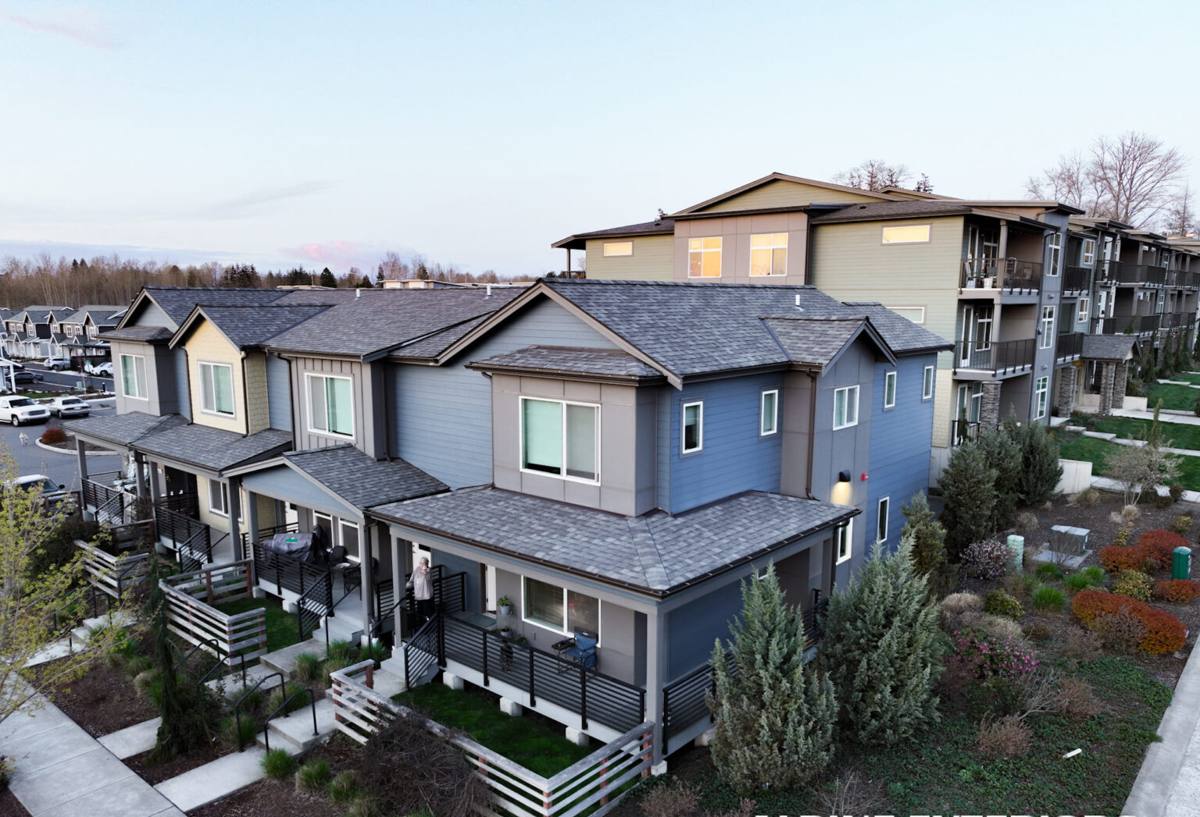
Vertical board and batten shows up often on ranch and mid-century homes throughout the greater Seminole and Belleair area, and it works well on additions, garages, gable ends, and full-home applications alike. The strong vertical lines pair naturally with coastal and cottage-style architecture, and it's a common way to add visual texture when it's mixed with horizontal lap siding on the same home — battens on a gable or an entry feature, lap on the main walls. Done correctly, it's not just a style choice; the vertical drainage path can actually shed wind-driven rain effectively when the water-resistive barrier and flashing underneath are installed to spec.
What a Correct Board & Batten Installation Actually Involves
Board and batten looks simple from the street, but it's less forgiving of shortcuts than horizontal lap siding. The board is only as good as everything installed underneath and around it.
- Weather-resistive barrier: A continuous, properly lapped water barrier behind the boards, with seams taped and penetrations sealed before the first board goes up.
- Vertical furring or drainage plane: Vertical board and batten needs a drainage path so any moisture that gets behind the cladding can escape downward instead of pooling against the sheathing.
- Fastening schedule: Boards and battens fastened per the manufacturer's high-wind fastening schedule appropriate for our county's wind zone — not the generic minimum spacing.
- Batten placement over seams: Every board-to-board seam covered cleanly by a batten, with consistent spacing and reveal so the wall reads as one continuous, intentional pattern.
- Flashing at every penetration: Windows, doors, hose bibs, light fixtures, and vents all need proper flashing and sealant details — these are the spots where most real-world siding failures start.
- Corner and trim detailing: Outside corners, inside corners, and trim boards installed with the same moisture-management principles as the field boards, not treated as an afterthought.
- Factory-finished material: A factory-applied finish that's already cured and UV-stabilized before it ever goes on the wall, rather than being painted on site after installation.
Skip any one of these steps and the siding may look fine for a year or two before problems show up behind the boards where you can't see them.
James Hardie Board & Batten Options
We install board and batten exclusively in James Hardie fiber cement, using vertical HardiePanel siding with HardieTrim battens over the seams, or Hardie's Artisan-level vertical siding products where a more refined reveal and shadow line is called for. All of it comes through in Hardie's ColorPlus factory finish, which means the color and UV protection are baked on before the material ever reaches Belleair Bluffs — not applied by a painter standing on a ladder in August heat.
Why We Standardized on Hardie for This Application
Fiber cement doesn't expand and contract with humidity swings the way wood does, it doesn't feed mold or rot when it stays damp behind a batten, and it's a non-combustible material — a real consideration for any home near dry brush or close-set neighbors. It also carries a strong transferable warranty backed by a manufacturer that engineers specific product lines for high-humidity, coastal climates like ours (Hardie's HZ5 formulation is built for exactly the moisture and humidity conditions found throughout the Tampa Bay area). That combination of durability, finish quality, and climate-specific engineering is why board and batten leaves our shop in Hardie and nothing else.
Comparing Board & Batten Materials for Coastal Pinellas Homes
| Material | Moisture & Rot Behavior | Coastal Wind/Impact Durability | Maintenance in This Climate | Fire Rating |
|---|---|---|---|---|
| James Hardie Fiber Cement | Engineered for high-humidity climates; won't rot or feed mold | Rated for high-wind installation with proper fastening schedule | Occasional rinse; factory finish holds color for years | Non-combustible |
| Primed Wood / Cedar | Absorbs moisture, prone to rot and swelling at seams | Splits and cracks under repeated wind and moisture cycling | Repainting and caulk maintenance every few years | Combustible |
| Vinyl Board & Batten Panels | Doesn't rot, but seams can allow water intrusion behind panel | Can crack, warp, or blow off in sustained high winds | Low, but fading and brittleness over time in strong UV | Combustible (melts/deforms) |
| Engineered Wood (LP-type) | Vulnerable to moisture absorption at cut edges and seams if not sealed | Performs reasonably when new; installation-sensitive over time | Edge sealing and inspection maintenance recommended | Combustible |
Our Process for Belleair Bluffs Board & Batten Projects
1. On-Site Evaluation
We walk the home, check the current siding and any water intrusion signs, and talk through where board and batten makes sense — full elevation, gable accents, or a mixed lap-and-batten approach.
2. Product and Reveal Selection
We help you choose board width, batten spacing, and a ColorPlus color that fits the home and the neighborhood, whether that's a clean modern coastal look or something closer to the area's traditional ranch styling.
3. Tear-Off and Substrate Check
Old siding comes off and we inspect the sheathing underneath for any hidden rot or moisture damage before anything new goes up — a step that matters more in this climate than almost anywhere else.
4. Weather Barrier and Furring Installation
We install a continuous water-resistive barrier and the vertical drainage plane the system needs to actually perform in wind-driven rain.
5. Board, Batten, and Trim Installation
Boards go up to Hardie's high-wind fastening specification, battens are set with consistent spacing, and every corner, window, and penetration is flashed and sealed properly.
6. Final Walkthrough
We walk the finished job with you, check every seam and reveal, and make sure the home is ready for whatever the next storm season brings.
Why Local Experience in Belleair Bluffs Matters
A contractor who works this stretch of the Pinellas coastline day in and day out knows how fast salt air and UV exposure age the wrong materials here, and knows what a fastening schedule actually needs to look like for a home this close to open water and the Intracoastal. That's different knowledge than a crew that mostly works inland neighborhoods and treats every job the same. When we bid a board and batten project in Belleair Bluffs, the wind zone, the humidity, and the salt exposure are already part of the plan — not something we figure out after the first callback.
Signs Your Current Board & Batten Siding Needs a Closer Look
- Soft or spongy spots when you press on boards near the base of the wall
- Visible gaps opening up between battens and boards, especially after storm season
- Peeling, chalking, or fading paint on wood siding that keeps coming back within a year or two of repainting
- Staining or discoloration running down from seams, corners, or window trim
- Warping, cupping, or separation at board ends and butt joints
- Visible rust streaking from fasteners, a sign the fastener itself may be corroding
If any of these sound familiar, it's worth having someone look at what's happening behind the siding, not just at the surface.
What to Ask Before Hiring a Board & Batten Contractor
Board and batten is detail-sensitive work, and the questions you ask up front will tell you more than any brochure. Ask what water-resistive barrier system they use, how they handle drainage behind vertical boards, what fastening schedule they follow for our wind zone, and whether they're a factory-certified installer for the fiber cement product they're proposing. A contractor who can answer those clearly, without hedging, is one who understands why this detail work matters on a home this close to the water.
If you're weighing board and batten siding for a home in Belleair Bluffs or anywhere else around Seminole, we're happy to come take a look and walk you through your options. Fill out the form below for a free, no-pressure estimate.