 Seminole Siding
 Building Decks in Belleair Bluffs' Coastal Climate
Belleair Bluffs sits in one of the tighter, more established pockets of Pinellas County, close enough to the Intracoastal Waterway that Gulf air is part of daily life here. A lot of the homes in and around this community lean on their outdoor space — a deck isn't a luxury add-on, it's where people actually spend their time. The problem is that the same coastal air that makes a deck worth building is exactly what wears one out fastest. Salt-laden humidity, near year-round UV, wind-driven rain, and the real possibility of hurricane-force wind all work against a structure that wasn't specified for this environment from day one. A deck built the way it would be built inland doesn't hold up the same way here, and homeowners usually find that out the hard way — loose railings, rusted hardware, or soft spots near the house a few years in.
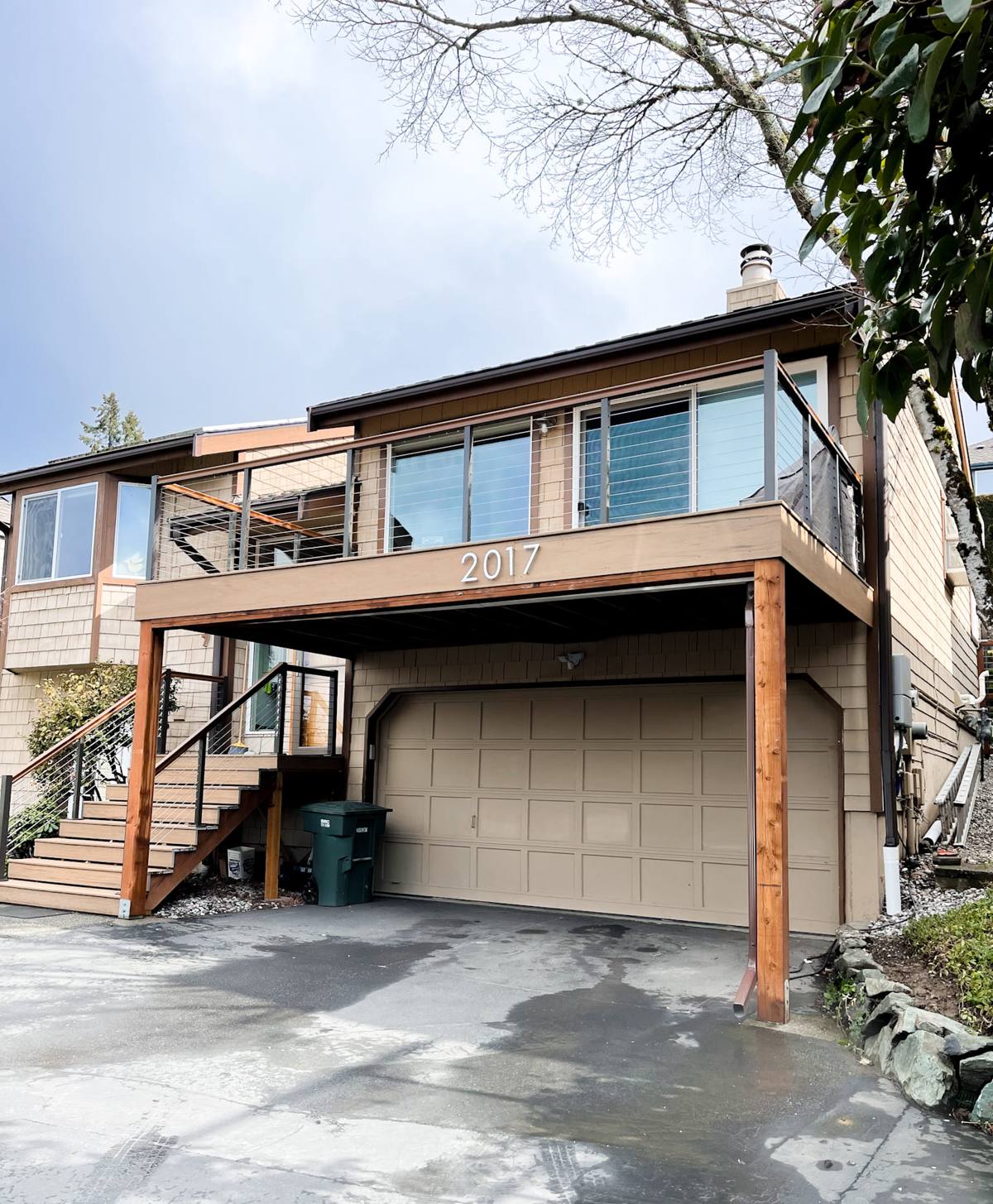
What This Climate Actually Does to an Unprotected Deck
Salt Air and Corrosion
Proximity to the water means airborne salt is settling on every exposed surface, including hardware you can't see once the decking is down. Standard exterior-rated fasteners, joist hangers, and bolts that would be fine two hours inland can corrode from the inside out here, quietly weakening structural connections long before any visible rust shows up on the surface.
Year-Round UV Exposure
Florida sun is intense for most of the year, not just in summer. That constant UV load bakes exposed wood fibers, breaks down sealers and finishes faster than the label suggests, and leaves deck boards graying, cracking, and splintering if refinishing gets skipped or delayed. Composite and PVC boards handle UV better than wood, but even those products vary a lot in how they're formulated to resist fading and heat buildup.
Wind-Driven Rain
Storms in this part of Pinellas County rarely fall straight down. Wind pushes rain sideways and up under ledger boards, railing posts, and stair stringers. If the ledger flashing wasn't detailed correctly the first time, moisture works its way behind the board and starts rotting the house's rim joist — a problem with the home itself, not just the deck.
Hurricane Wind Loads
Every storm season brings the possibility of tropical-storm or hurricane-force wind reaching this stretch of the Gulf coast. A deck's guardrails, stair connections, and ledger attachment all need to resist uplift and lateral load, not just support someone standing still on a calm day.
Choosing the Right Decking Material for This Climate
There's no single "best" decking material — the right choice depends on how much upkeep a homeowner actually wants to do and how long they plan to stay in the house. Here's how the common options compare for a coastal Pinellas County property:
| Material | Upfront Cost | Maintenance | Salt Air / UV Resistance | Typical Lifespan Here |
|---|---|---|---|---|
| Pressure-treated wood | Lowest | Annual cleaning and resealing | Moderate — depends on upkeep | 10-15 years with consistent care |
| Composite decking | Mid to high | Occasional wash, no sealing | Good, varies by product line | 20-25 years |
| PVC / capped polymer | Highest | Minimal | Best resistance to salt, moisture, and fading | 25+ years |
Wood is still a fine choice for homeowners willing to stay on top of maintenance and who like the look and feel of real lumber. Composite and PVC cost more up front but shift the long-term burden away from constant refinishing, which matters in a climate that's hard on any exposed surface. We'll walk through the honest trade-offs for your specific project rather than pushing whatever has the best margin.
Framing, Fasteners, and Structure: What a Correct Build Requires
Footings and Post Bases
Footing depth and post base connections have to account for local soil conditions and the wind and load requirements that apply to this part of the county. Undersized or shallow footings are one of the most common shortcuts on a rushed deck build, and they're also one of the hardest problems to fix after the fact without tearing the structure back apart.
Ledger Board Attachment and Flashing
Where the deck ties into the house is the single most moisture-sensitive connection on the whole project. Proper flashing, a moisture barrier behind the ledger, and correctly spaced structural fasteners keep wind-driven rain from finding its way into the house framing. This is the detail we see skipped most often on older or lower-budget deck builds in this area.
Fasteners and Hardware
Given the salt air this close to the water, we specify stainless steel or hot-dip galvanized fasteners and connectors rated for coastal exposure, not the standard exterior-grade hardware that's fine for an inland build. It costs more up front and saves the homeowner from hidden corrosion problems down the line.
Guardrails and Stairs
Guardrail height, baluster spacing, and stair stringer connections all need to meet code and hold up to real wind load, not just a building inspector's visual check. These are also the components most exposed to weather, so the hardware and attachment methods matter as much here as anywhere else on the structure.
Permits, Codes, and Wind Ratings in Pinellas County
Most deck projects in and around Belleair Bluffs require a permit through the local building department, and larger or elevated decks typically need engineered or sealed plans covering footing size, guardrail design, and wind load per the Florida Building Code. Because parts of this community sit close to the Intracoastal Waterway, some lower or ground-level decks may also fall under flood zone considerations that affect footing depth or material choices near grade. Expect inspections at the footing stage, framing stage, and final completion — skipping or rushing any of those steps is how problems get built in and then hidden under decking boards.
Our Deck Building Process
- Site visit and assessment — we look at the existing structure, grade, drainage, and how the deck will tie into the house before anything is designed.
- Design and material consult — honest discussion of decking material, railing style, and layout based on your budget and how you'll actually use the space.
- Permitting and engineering — we handle the paperwork with the local building department, including any engineered plans the project requires.
- Construction — footings, framing, ledger attachment, decking, and railings, built with coastal-rated hardware throughout.
- Inspections — footing, framing, and final inspections completed as required, not skipped or shortcut.
- Final walkthrough — we go over the finished deck with you, including what maintenance it actually needs going forward.
What a Belleair Bluffs Deck Project Typically Costs
Every property is different, but a few factors move the price more than anything else:
| Cost Factor | How It Affects the Project |
|---|---|
| Size / footprint | More square footage means more footings, framing, and decking material |
| Height off grade | Elevated decks need more substantial framing, stairs, and guardrails |
| Decking material | Wood costs less upfront; composite and PVC cost more but need less upkeep |
| Railing style | Cable, glass, and custom rail designs cost more than standard baluster railings |
| Roof or cover addition | Adds structural requirements and typically its own permitting |
| Site access | Tight lots or limited equipment access can add labor time |
We'll give you a clear, itemized number after seeing the property — not a rough guess based on square footage alone.
Why Hiring a Crew That Already Works in Belleair Bluffs Matters
A deck builder who works this specific stretch of Pinellas County knows the local building department's process, knows what tends to come up on lots this close to the water, and has already seen how earlier decks in the area have held up — or failed to — after a few storm seasons. That experience shows up in the details: where flashing gets extra attention, which hardware actually holds up, and how to plan around tight lots and mature tree canopy that are common in this community. It's the difference between a deck built to pass inspection once and one built to still be solid five hurricane seasons from now.
Keeping a New Deck in Good Shape
A well-built deck in this climate still needs some ongoing attention. A few habits go a long way:
- Rinse off salt film with fresh water periodically, especially after storms
- Inspect visible fasteners and hardware once a year for early rust or looseness
- Reseal or refinish wood decking on the schedule the product actually needs, not just when it looks bad
- Check ledger board flashing and caulk lines for gaps or cracking
- Watch for standing water or poor drainage after heavy rain
- Keep nearby vegetation trimmed back to reduce trapped moisture and debris
If you're planning a new deck or replacing one that hasn't held up to the weather here, we're happy to take a look and give you a straight answer on what it needs — no pressure, no upsell. Fill out the form below for a free estimate.