 Seminole Siding
 Energy-Efficient Windows Built for Belleair Bluffs, Not a Showroom in Ohio
Belleair Bluffs sits right up against the Intracoastal, which means every window on these homes is doing double duty. It has to keep summer heat and humidity out of the air-conditioned interior, and it has to survive salt-laden air, driving rain, and the kind of wind gusts that come with a Gulf Coast storm season. A window that was designed and tested for a house in the Midwest — even a good one — was never engineered with any of that in mind. When we talk about "energy-efficient windows" for a Belleair Bluffs home, we're talking about a product and an installation that account for Pinellas County's climate first, with energy savings built on top of that foundation, not bolted on afterward.
This page covers what that actually looks like: what our climate does to windows over time, what a correct energy-efficient window job involves here, how our process works, and why it matters that the crew showing up already knows this neighborhood.
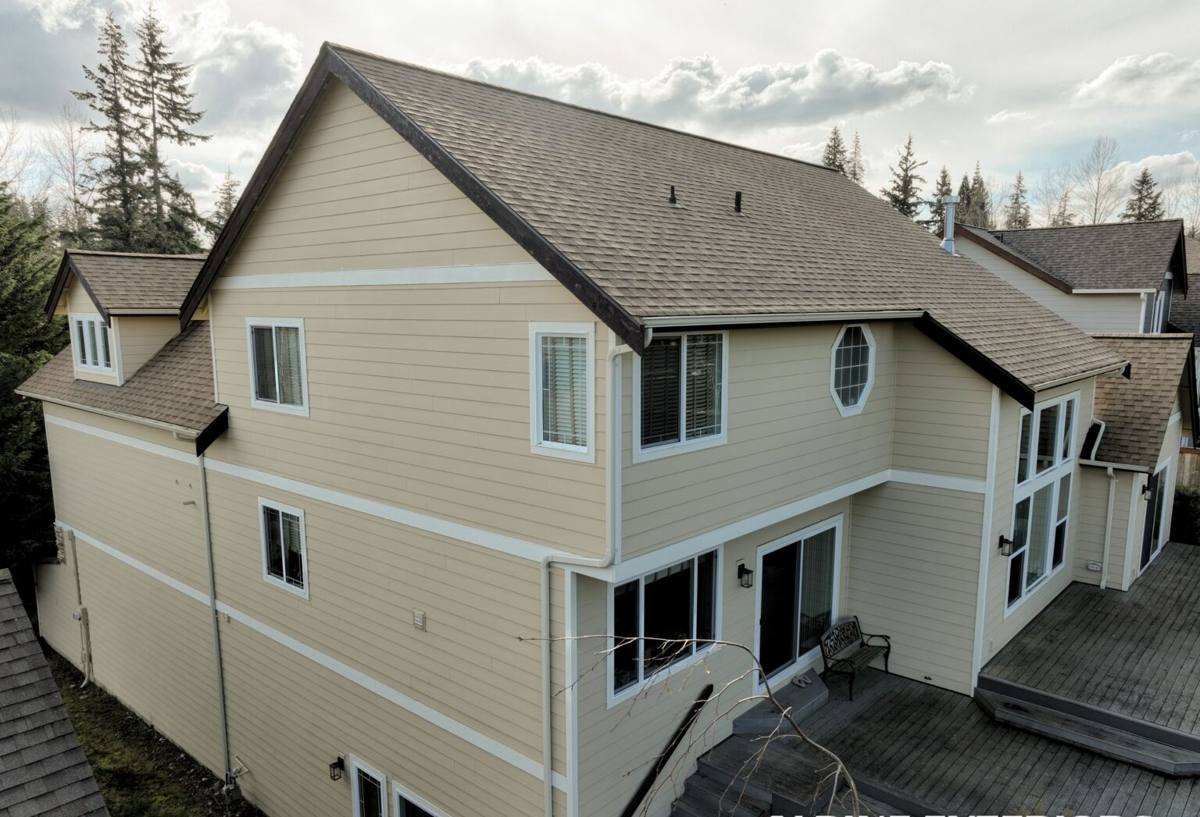
What Belleair Bluffs' Climate Actually Does to a Window
Year-Round UV Exposure
Florida sun isn't seasonal the way it is up north — it's a near-constant load on anything installed outside, and windows take it directly. UV breaks down vinyl plasticizers over time, causing frames to chalk, discolor, or grow brittle at the corners. It also degrades cheap seals and gaskets faster than the manufacturer's glossy brochure ever admits. A window rated for efficiency in a lab doesn't automatically hold that rating after a decade of unfiltered Florida sun.
Salt Air and Coastal Corrosion
Being close to the water is part of what makes Belleair Bluffs desirable, but salt air is corrosive to hardware — hinges, locks, cranks, and especially aluminum components that aren't rated for coastal exposure. We see this constantly on older replacement windows that used standard, non-marine-grade fasteners and hardware. Within a few years the operating hardware seizes up or corrodes, even if the glass and frame still look fine.
Wind-Driven Rain
A window doesn't have to fail structurally to fail on efficiency and moisture. Wind-driven rain during a tropical system or even a strong summer storm can push water past poorly sealed or poorly flashed windows, leading to sill rot, interior staining, and — worse — moisture intrusion into the wall cavity that you won't see until it's a bigger problem. Efficiency and weathertightness are the same conversation on this coast; you can't really separate them.
Hurricane-Force Wind Pressure
Pinellas County's wind zone requirements exist because storm-force wind loads are a real, recurring event here, not a rare edge case. Windows need to hold their seal and structural integrity under repeated pressure cycling, not just a single test. That has direct implications for frame reinforcement, anchoring, and glass makeup, which we'll get into below.
What "Energy-Efficient" Actually Means Here
Efficiency for a Belleair Bluffs home is a combination of glass performance, frame material, and how well the unit is sealed and installed — not any single spec on a sticker.
Low-E Coatings and Glass Makeup
Low-emissivity (Low-E) coatings reflect infrared heat while still letting visible light through, which matters enormously in a climate where the AC is running most of the year. Insulated (double-pane) units with an argon or krypton gas fill between the panes add another layer of thermal resistance. For coastal Florida, we generally recommend Low-E glass paired with a tint or coating package that specifically targets solar heat gain, since west- and south-facing exposure here can be brutal on interior room temperatures.
Frame Material
Vinyl frames are a common, cost-effective choice and perform well when the vinyl compound is UV-stabilized for coastal sun. Fiberglass and composite frames cost more but resist warping and UV degradation better over the long haul, and they hold paint or color better if the homeowner wants a non-white frame. Aluminum frames are strong but conduct heat and cold far more than vinyl or fiberglass, which works against the "energy-efficient" goal unless the aluminum is thermally broken — a design that separates the interior and exterior metal with an insulating barrier.
Impact Considerations
Depending on the home's wind zone and the county's current code requirements, windows may need to meet impact standards or be paired with approved protection. Impact-rated glass — laminated glass with an interlayer that holds together under impact — also happens to block a meaningful amount of UV and add a layer of sound dampening, which is a nice side benefit for anyone near a busier road. We'll walk you through what applies to your specific address before any work begins, since requirements can vary by exact location and structure.
Signs Your Current Windows Are Costing You Money
- Rooms near west- or south-facing windows feel noticeably hotter than the rest of the house in the afternoon
- You can feel a draft or air movement at the frame or sash even with the window fully closed and locked
- Condensation regularly forms between the panes, which usually means the seal has failed and the gas fill is gone
- Cranks, locks, or sliding hardware are stiff, corroded, or don't fully engage anymore
- Frames show chalking, discoloration, soft spots, or visible warping
- You notice staining, softness, or a musty smell at the sill or surrounding drywall
- Your energy bills climb every summer regardless of thermostat settings
Our Process for a Belleair Bluffs Window Job
1. On-Site Assessment
We start at the house, not on the phone. We look at existing window condition, framing, current flashing and sealant condition, and any signs of past moisture intrusion. We also confirm what wind zone and code requirements apply to that specific property.
2. Product Selection Based on Exposure
Not every window on the house needs the same glass package. A window that takes direct afternoon sun on the west side may get a different solar-control coating than a shaded window on the north side. We walk through the real trade-offs — cost, appearance, performance — rather than pushing one product for the whole house.
3. Removal Without Collateral Damage
Old windows come out carefully, with attention to the surrounding stucco, siding, or trim so we're not creating new repair work in the process of doing this one.
4. Correct Flashing and Sealing
This is the step that determines whether a window actually performs the way its spec sheet says it will. Proper flashing tape, backer rod, and sealant compatible with the substrate matter more to long-term performance than the brand name on the glass. We install to manufacturer specifications and local code, every time — this is not the place to cut corners on a coastal home.
5. Hardware and Finish Check
Every unit gets checked for square, level, and smooth operation before we consider the job done, and we verify all locking hardware engages fully and correctly.
6. Cleanup and Walkthrough
We walk the homeowner through the finished work, operation of new hardware, and any manufacturer warranty paperwork.
Comparing Window Options for a Coastal Pinellas County Home
| Frame Type | Coastal Durability | Thermal Performance | Typical Maintenance |
|---|---|---|---|
| Vinyl (UV-stabilized) | Good, with quality-dependent variation | Strong; low thermal conductivity | Low — occasional cleaning |
| Fiberglass/Composite | Very good; resists warping and UV wear | Strong; dimensionally stable in heat | Low; holds paint well if refinished |
| Aluminum (thermally broken) | Good if hardware is marine-grade | Moderate; better than non-broken aluminum | Moderate — watch hardware for corrosion |
| Aluminum (standard, non-broken) | Fair; prone to hardware corrosion near coast | Weak; conducts heat and cold readily | Higher — hardware needs monitoring |
We don't install every option in this table on every job. Where a frame type has real long-term trade-offs for a coastal property — moisture behavior, hardware corrosion, or warranty structure that doesn't hold up well under salt exposure — we'll tell you honestly rather than let a homeowner find out five years in.
What a Correct Installation Involves
- Accurate measurement of each opening, since older Belleair Bluffs homes often have slight variations from unit to unit
- Removal of old caulk, deteriorated flashing, and any water-damaged framing material before the new unit goes in
- Proper flashing sequence so water sheds outward and never behind the new window
- Shimming for square and plumb, not just "close enough to fit"
- Fastening per manufacturer spec and local wind-zone requirements
- Low-expansion foam or backer rod plus sealant at the perimeter, appropriate to the substrate
- Functional check of every lock, crank, and sash before we call it complete
- Interior and exterior trim finished to match the surrounding wall, not left raw
What Drives the Cost of a Window Project
| Factor | Why It Matters |
|---|---|
| Glass package (Low-E, gas fill, impact rating) | Higher-performance glass costs more but reduces long-term energy loss and, where applicable, may reduce insurance or hurricane-protection needs |
| Frame material | Vinyl is typically the most budget-friendly; fiberglass and composite cost more upfront but last longer in coastal conditions |
| Number and size of openings | Larger openings and more windows naturally scale total project cost |
| Condition of existing framing | Hidden rot or prior water damage found during removal adds repair scope |
| Code and wind-zone requirements | Impact-rated or reinforced installations cost more than standard non-impact units |
We don't quote sight-unseen prices over the phone for this reason — a real number depends on what we find at your specific home, not a generic per-window average.
Why a Crew That Already Works Belleair Bluffs Matters
A contractor who already works this stretch of Pinellas County isn't guessing at what your home needs — we've seen how homes in this exact coastal environment age, where moisture problems tend to start, and what wind zone and permitting requirements typically apply here. That familiarity shows up in small but important ways: knowing which flashing details actually hold up against wind-driven rain off the Intracoastal, knowing which hardware corrodes fastest in salt air, and not treating your project as a first attempt at understanding this climate. It also means we're a known, reachable local business if a warranty question or adjustment comes up down the road — not a crew that finished the job and moved on to a market three states away.
If your windows are older, drafty, foggy between the panes, or just costing you more on cooling than they should, we're happy to take a look and give you an honest read on what's going on and what your realistic options are — no pressure, no hard sell. Use the form below to request a free estimate for your Belleair Bluffs home.