 Seminole Siding
 Why Belleair Decks Wear Out Faster Than You'd Expect
Belleair sits close enough to the Gulf that its outdoor structures live under conditions most decking products were never really designed for. It isn't one thing that wrecks a deck here — it's the combination. Intense, near year-round UV breaks down wood fibers and fades or chalks the surface of lower-grade composites. Salt-laden air corrodes fasteners, hardware, and any metal connectors that weren't rated for coastal exposure. Wind-driven rain gets pushed sideways into board gaps, ledger connections, and railing posts, then sits there instead of draining. And when a tropical system or hurricane-force gust comes through, a deck's framing and attachment points are what keep it from racking, lifting, or separating from the house entirely.
None of that means a deck can't last in this climate — it means the materials, fasteners, and framing details have to be chosen for it specifically, not just for looks. A deck built to a generic national spec, without Gulf coast conditions in mind, tends to show problems years before it should.
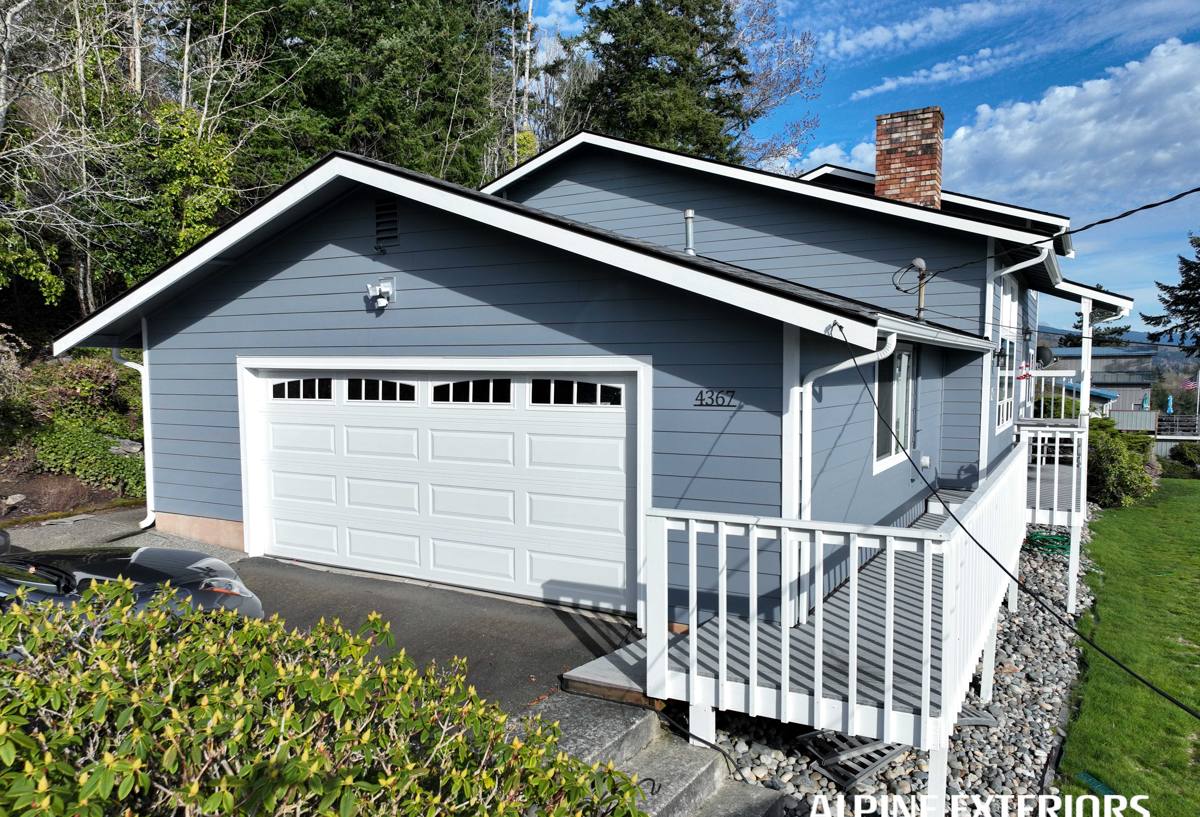
Signs a Belleair Deck Needs Replacement, Not Just Repair
Homeowners often ask us whether a deck can be patched instead of replaced. Sometimes yes — but there's a point where repair is just delaying the inevitable and spending money that should go toward a real fix. Here's how we tell the difference:
- Soft or spongy decking underfoot usually means moisture has gotten into the board core or the framing below it — a localized board swap can work, but if it's widespread, the whole surface is compromised.
- Rust streaks around fasteners signal the hardware wasn't coastal-rated to begin with, and every other fastener on the deck is likely on the same timeline.
- Ledger board separation from the house, even slight, is a structural safety issue — this is the connection that keeps the deck attached and level, and it's not something to wait on.
- Wobble in the railing or posts often traces back to rotted post bases or undersized footings, not just a loose railing itself.
- Visible cupping, splitting, or graying wood across most of the deck means the UV and moisture cycle has already done its damage broadly, not in one spot.
If the framing underneath is still sound, sometimes a resurface makes sense. But if the substructure has moisture damage, undersized footings for current wind code, or fastener corrosion throughout, replacement is the honest recommendation — and it's usually more cost-effective than repeated repairs over the following few years.
What a Correct Deck Replacement Actually Involves
A deck replacement done right isn't just pulling up old boards and screwing down new ones. The parts nobody sees are what determine whether the deck holds up through the next decade of Pinellas County storm seasons.
Framing and Footings
Footings need to be sized and depth-rated for local soil and wind conditions, not just "what was there before." Joists should be spaced to match the decking manufacturer's spec — this matters more with composite and PVC boards, which often need tighter joist spacing than wood to avoid deflection over time.
The Ledger Connection
This is the single most important structural point on most decks, and the most common source of failure. It needs proper flashing to keep water from getting behind it and rotting the house's rim joist, plus lag bolts or structural screws rated for the load — not just deck screws or nails.
Fasteners and Hardware
Everything below the surface — joist hangers, post bases, structural screws — should be stainless steel or a coastal-rated coated fastener. In a salt air environment, standard galvanized hardware corrodes years ahead of schedule, and by the time rust is visible on the surface, the hidden connectors are often further along.
Drainage
Board spacing and any under-deck drainage system need to account for wind-driven rain, which doesn't fall straight down here the way it might in a low-humidity climate. Standing water at the ledger or between boards is where rot starts.
Choosing Decking Material for Belleair's Climate
There's no single "best" decking material — there's a best fit for how you use the deck, your maintenance appetite, and your budget. Here's how the common options actually perform under Gulf coast sun, humidity, and salt air:
| Material | Coastal Durability | Maintenance | Typical Lifespan Here |
|---|---|---|---|
| Pressure-treated wood | Good if maintained; prone to UV graying and splitting if neglected | Sealing/staining every 1-2 years | 10-15 years |
| Capped composite | Strong resistance to moisture and salt; some fading over time depending on grade | Occasional washing, no sealing | 20-25+ years |
| PVC/cellular decking | Excellent — doesn't absorb moisture, unaffected by salt exposure | Lowest of the group; occasional washing | 25-30+ years |
| Tropical hardwoods | Naturally dense and rot-resistant, but sensitive to installation quality | Regular oiling to maintain color | 15-25 years with upkeep |
We won't push a single product on every homeowner. Wood is a legitimate choice if you're comfortable with the upkeep and like the natural look. Composite and PVC cost more upfront but trade ongoing maintenance for long-term stability in exactly the conditions that stress decks here — moisture, salt, and sun. The honest trade-off with any capped or cellular product is that installation quality matters more, not less: gapping, fastening, and ventilation have to follow the manufacturer's spec closely, or you lose the durability advantage you paid for.
Permitting and Wind Load in Pinellas County
Deck replacement in this area isn't a weekend DIY-permit afterthought — it's structural work that falls under Florida Building Code wind load requirements, and Belleair, like other Pinellas County communities, requires a permit and inspection process for it. The exact submittal requirements vary by jurisdiction, and we handle that process as part of the job rather than leaving it to the homeowner. Skipping the permit might save a few days upfront, but it can cause real problems at resale, with insurance claims after storm damage, or if the work needs to be opened back up later — unpermitted structural work is a liability that follows the house.
Our Deck Replacement Process
- On-site assessment. We inspect the existing deck, framing, and ledger connection to determine what's driving the failure and whether replacement is actually the right call.
- Material and layout conversation. We walk through decking options, budget ranges, and any layout changes you want, based on how you actually use the space.
- Permitting. We handle the permit submittal and coordinate required inspections so the finished deck is fully compliant, not just fully built.
- Demolition and disposal. The old deck comes down and off-site — we don't leave debris piled in the yard.
- Framing and structural work. Footings, joists, and the ledger connection are built to current code and coastal fastener standards before a single decking board goes down.
- Decking, railing, and finish work. Boards, railings, and any stairs are installed to the manufacturer's spec for spacing and fastening.
- Final walkthrough and inspection. We review the finished deck with you and make sure it passes final inspection.
Keeping Your New Deck in Shape
Whatever material you choose, a little routine attention goes a long way in this climate. A short list worth keeping:
- Rinse salt residue and pollen off the surface every few weeks, more often close to the water
- Keep gutters and downspouts clear so runoff isn't dumping extra water onto or under the deck
- Check railing posts and stair connections once or twice a year for movement
- For wood decks, reseal or stain on the schedule your product calls for — don't wait until it looks obviously weathered
- After any major storm, do a quick visual check of fasteners, boards, and the ledger area before heavy use
Why Local Experience with Belleair Homes Matters
A deck built by a crew that hasn't worked this specific stretch of the Gulf coast is a guess dressed up as a plan. We know which fasteners hold up against salt air here versus which ones look fine for a year and then streak with rust. We know how Pinellas County's permitting and wind load requirements apply to residential decks, so there's no scramble or rework after the fact. And because we're already doing siding, roofing, and exterior work throughout the Seminole and Belleair area, we understand how a deck ties into the rest of the house — flashing at the ledger, drainage around the foundation, and how the whole exterior holds up together against the same weather.
If your deck is showing its age, or you just want a straight answer on repair versus replacement, we're glad to take a look. Reach out for a free, no-pressure estimate — we'll walk the deck with you, tell you what we actually see, and lay out honest options before any work begins.