 Seminole Siding
 New-Construction Windows in Belleair: What This Job Actually Involves
New-construction window installation is a different trade than replacing an old window in an existing opening. It happens when a home is being built from the studs out, when an addition is going up, or when a full wall section is being opened to the rough framing. The window isn't being fitted into an existing frame — it's being integrated into the wall assembly itself, with its nailing fin tied directly into the house wrap, flashing, and eventual siding or stucco layer. Get that sequence wrong and the mistake gets buried behind the finished wall for years, usually surfacing as a leak long after the crew that installed it is gone.
For homeowners and builders in Belleair, this isn't just a technical distinction. It's the difference between a window system that's built to handle this part of Pinellas County's weather and one that was installed like it was going into a house in a different climate entirely.
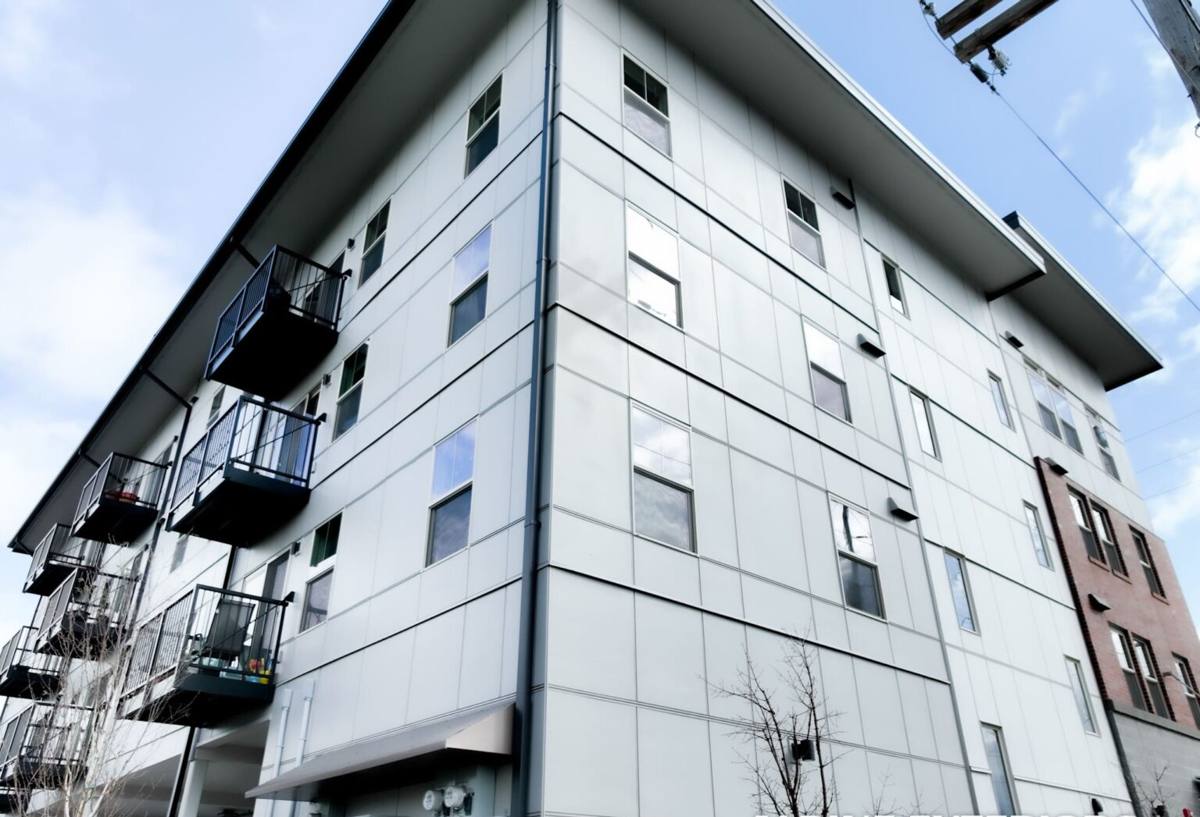
Why Belleair's Climate Changes the Approach
Belleair sits close to open water, which means the building envelope here takes on stresses that inland Florida homes simply don't deal with to the same degree. Four factors drive almost every decision we make on a new-construction window job in this area:
- Hurricane-force wind: Sustained coastal winds and storm gusts put direct pressure and suction loads on window openings, and on the fasteners and flashing holding them in place.
- Intense, year-round UV: Florida sun degrades vinyl, sealants, and low-grade weatherstripping faster than in most of the country, which shortens the useful life of anything installed with cheap materials.
- Wind-driven rain: Storms here don't just drop rain — they push it sideways and upward under pressure, which means water can find its way into a poorly flashed opening even when the window itself is a good product.
- Salt air: Proximity to the Gulf means airborne salt accelerates corrosion on hardware, fasteners, and lower-grade metal components.
None of these factors are unique to Belleair by themselves, but the combination — coastal wind exposure, constant UV load, and salt in the air — is exactly the environment that separates a window installation that lasts fifteen years from one that lasts thirty.
New Construction vs. Replacement: Why It Matters Here
A replacement window is built to fit inside an existing frame, often with a lot of the original structure still in place around it. A new-construction window has a nailing fin around its perimeter that gets fastened directly to the wall sheathing, then integrated with flashing tape and house wrap before any exterior finish goes on. That fin-and-flashing assembly is what actually keeps water out of the wall cavity — the window unit alone doesn't do that job on its own.
This matters more in Belleair than in a lot of places because the margin for error is smaller. A flashing detail that would be a minor issue in a low-wind, low-rain climate becomes a real vulnerability when wind-driven rain is pushing against that same wall several times a year. On new construction and additions, we get one real shot at doing this correctly before siding or stucco covers it up.
Where Homeowners Get Surprised
Most callbacks we see on new-construction windows in coastal Pinellas County trace back to one of three things: flashing that wasn't lapped in the right order (so water runs behind it instead of over it), fasteners that weren't rated for the wind zone, or gaps around the rough opening that were sealed with the wrong material instead of properly shimmed and insulated. None of these are visible once the wall is closed up — which is exactly why the installation sequence matters more than the window brand.
Florida Building Code and What Belleair Homeowners Need to Know
Pinellas County falls under Florida's high-velocity coastal wind requirements, and Belleair's location near open water means wind load calculations for a given opening can be significant. New-construction windows here need to carry the correct design pressure rating for the specific wall and elevation they're going into — not just a generic "impact-rated" label. Corner openings, upper floors, and walls facing open water typically carry higher pressure requirements than a sheltered interior wall.
Impact-rated glass is standard practice for good reason: it protects the opening during a storm and reduces the chance of a wind-driven breach that can pressurize and damage a roof structure from the inside. But the glass rating only means something if the frame, fin, and anchoring were installed to match it. We pull permits and coordinate inspections as part of every new-construction window job, because in this part of the county, that inspection isn't a formality — it's a real check on whether the opening will perform under actual storm conditions.
Getting the Installation Right: Flashing, Water Management, Fastening
The sequence matters as much as the materials. On a coastal job like this, our process follows a shingle-lap logic from the bottom of the opening up, so every layer sheds water onto the layer below it rather than behind it:
- Rough opening is checked for square, level, and correct dimensions before the window ever shows up on site.
- A sill pan is installed at the base of the opening to catch and direct any water that gets past the window back to the exterior.
- Flashing tape is applied at the sides and head in the correct lapped order, tying into the house wrap above and below.
- The window is set, shimmed plumb and square, and fastened through the nailing fin per the manufacturer's and code-required fastener schedule.
- Gaps around the frame are insulated and sealed with the correct low-expansion material — not just caulked over.
- Exterior sealant is applied at the final joints, sized and rated for sustained UV and salt exposure.
Every one of those steps is inspectable at the time it happens and invisible six months later. That's exactly why we treat the sequence, not just the finished appearance, as the actual deliverable.
Frame Materials and Glass: What Actually Holds Up on the Coast
| Option | Coastal Performance | Trade-Offs |
|---|---|---|
| Vinyl frame, impact glass | Good UV and moisture resistance when properly stabilized; widely used in new coastal construction | Lower-grade vinyl can soften or discolor under sustained sun without UV-stable formulations |
| Aluminum frame, impact glass | Strong structurally, common on larger openings and commercial-adjacent coastal builds | Needs corrosion-resistant hardware and finishes to hold up against salt air |
| Fiberglass frame, impact glass | Dimensionally stable across heat swings, holds paint and finish well long-term | Higher upfront material cost than standard vinyl |
| Laminated impact glass | Maintains integrity under wind-borne debris impact, standard for wind-rated coastal openings | Heavier units require correctly rated hardware and anchoring |
We don't push homeowners toward one frame material across the board — the right choice depends on the opening size, elevation exposure, and the look the home is going for. What we won't do is install a window with hardware or sealants that aren't rated for sustained salt exposure, because the maintenance burden and shortened service life on the coast isn't worth the small savings up front.
Our Process for Belleair New-Construction Window Projects
Every job starts with a site visit and a review of the plans or existing rough openings, followed by a written estimate that spells out window specifications, design pressure ratings, and the flashing and fastening approach for each opening. We handle permitting and coordinate inspections directly, and we sequence our work with the framing, siding, or stucco crew so the window installation happens at the right point in the build — not rushed to keep someone else's schedule, and not left exposed to weather longer than necessary.
On multi-window new-construction jobs, we also flag any openings that carry higher wind pressure requirements due to their location on the elevation, so there are no surprises at inspection.
Checklist: What to Confirm Before You Sign a Contract
- Design pressure rating is specified for each individual opening, not just a general "impact-rated" claim
- Sill pan flashing is included in the written scope, not just caulk at the sill
- Fastener type and spacing meet the manufacturer's coastal installation instructions
- Permit and inspection responsibilities are clearly assigned in writing
- Sealant and hardware are specified as salt-air and UV rated, not generic-grade
- Installation sequencing with the framing and siding crew is discussed up front
Why a Crew That Already Works in Belleair Matters
A crew that installs new-construction windows across a range of climates has to relearn the coastal details every time they take on a job like this. A crew that works Pinellas County's coastal neighborhoods regularly already knows the wind pressure expectations for a Belleair elevation facing open water, already has a relationship with the local building department, and already defaults to sill pans and lapped flashing without needing to be told. That familiarity shows up in fewer inspection delays and fewer callbacks two or three years down the road, when a poorly sequenced installation would otherwise start to show.
If you're planning new-construction windows for a home or addition in Belleair, we're happy to walk the openings with you, talk through frame and glass options, and put together a clear, no-pressure estimate. Reach out through the form below to get started.